Tessl distinguishes itself with robust real-time coding assistance and a competitive pricing model, making it highly attractive for developers focused on code quality improvement and collaboration. Meanwhile, OpenHands shines with its strong GitHub community support, boasting 70,510 stars, and offers a flexible open-source platform ideal for automating business workflows and cloud deployment.
Best for
Tessl is the better choice when focusing on enhancing code quality through AI, especially in teams that prioritize CI/CD integration and collaborative coding.
Best for
OpenHands is the better choice when automating comprehensive business workflows and seeking a model-agnostic, open-source platform for cloud-based deployment of coding agents.
Key Differences
Verdict
Teams focused on traditional software development and iterative improvements in code quality through AI will benefit from Tessl. Conversely, OpenHands is suited for organizations that require open-source flexibility and robust workflows for both cloud and development environments. Considering each tool's strength will determine the better fit for a team's specific needs.
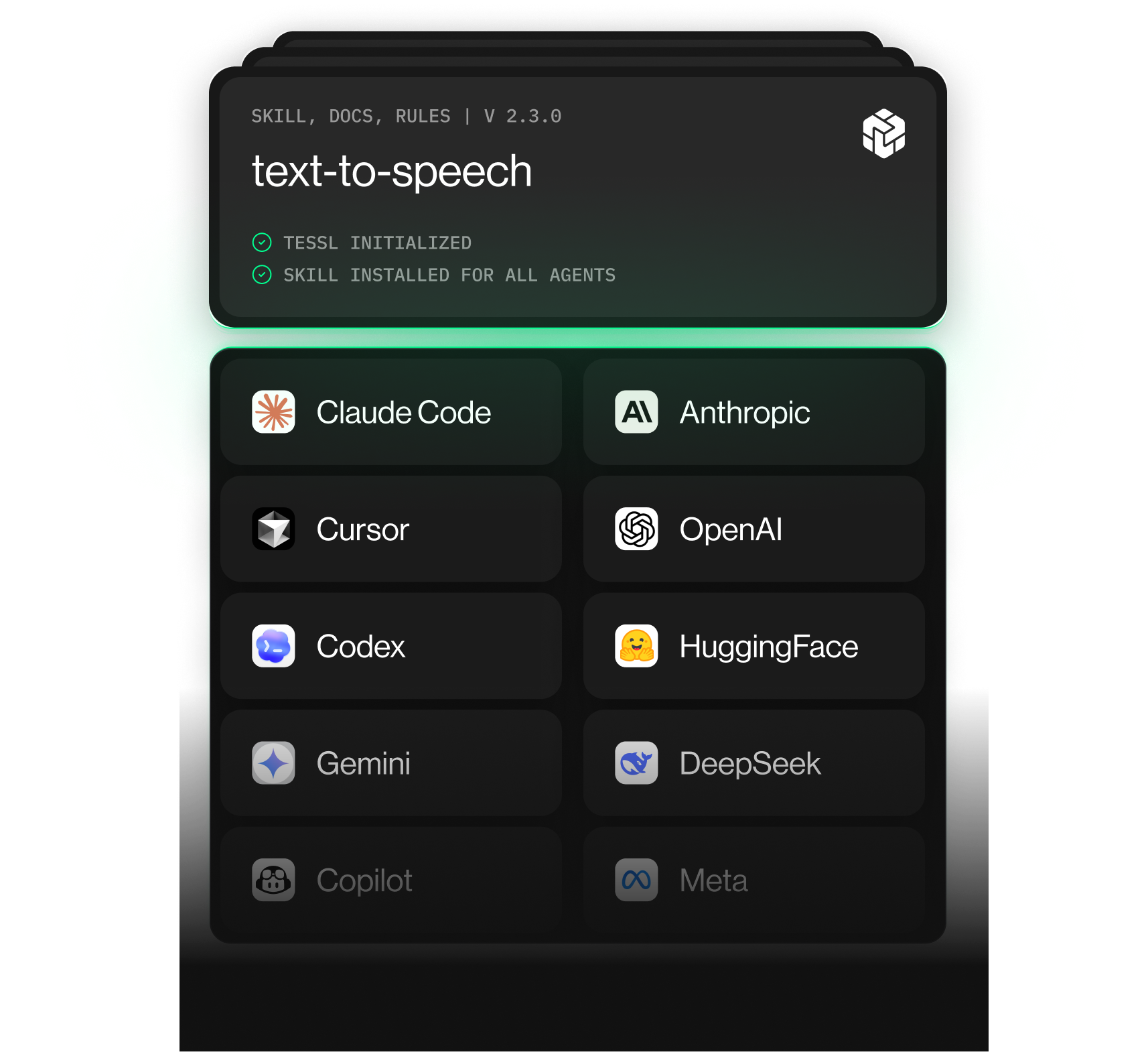
Tessl
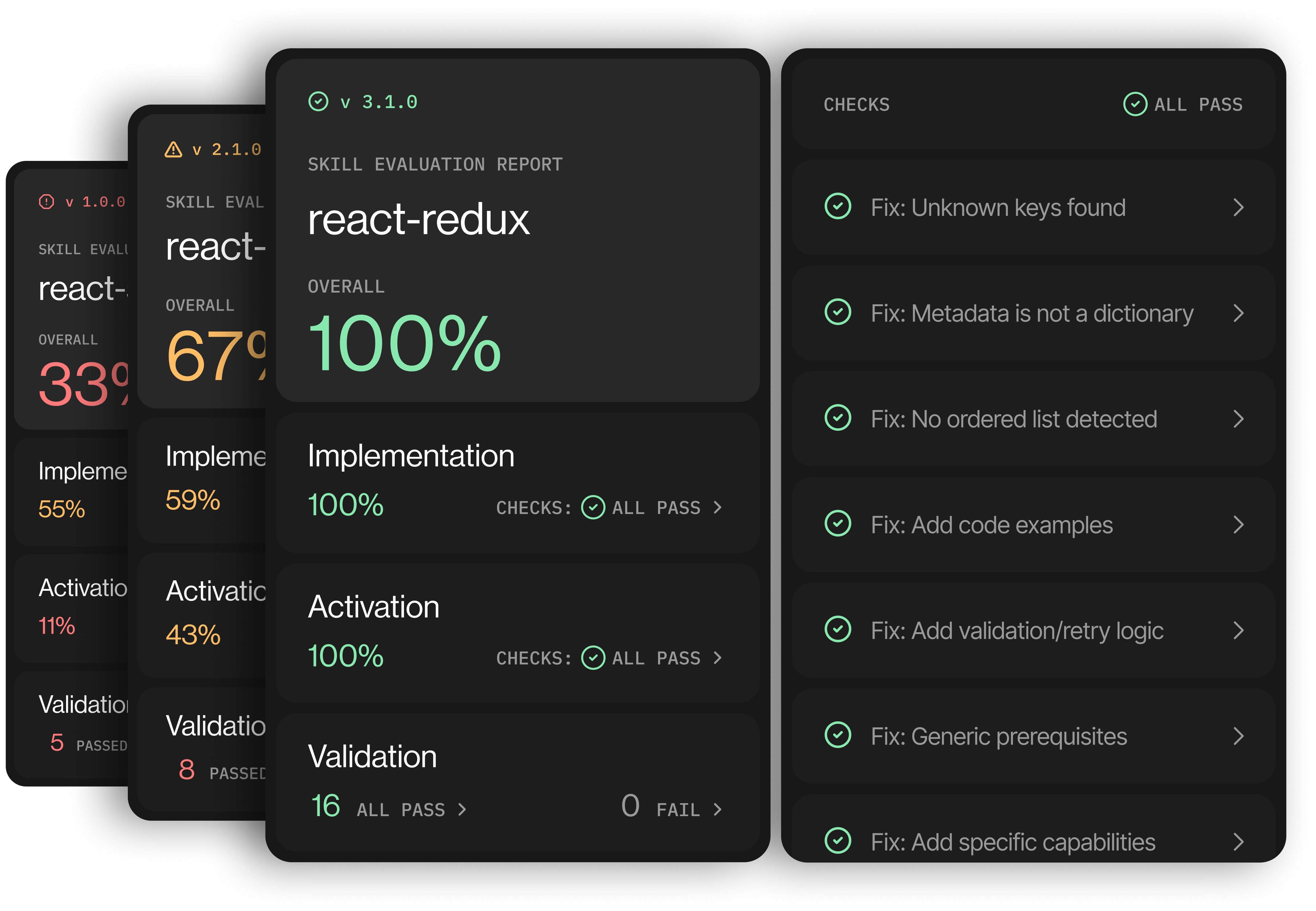
How good is your skill? Put it to the test
Users appreciate Tessl for its intuitive AI-driven features and user-friendly design, highlighting it as a powerful tool for data analysis. Key complaints often revolve around occasional glitches and slow customer support response times. There is a generally positive sentiment regarding pricing, particularly noting its competitive rates compared to similar tools. Overall, Tessl has a strong reputation for delivering reliable performance and innovation, despite some technical and support issues.
OpenHands
Meet OpenHands, the open-source, model-agnostic platform for cloud coding agents. Automate real engineering work securely and transparently. Build fas
OpenHands is praised for its user-friendly interface and strong capabilities in managing workflows, particularly for non-developers who need to streamline business operations. However, users have expressed dissatisfaction with occasional bugs and the complexity of setting up integrations from GitHub, which can hinder the overall experience. Pricing sentiment seems mixed, with some users finding it valuable while others complain about pricing surprises coupled with perceived diminished service over time. Overall, OpenHands maintains a good reputation for reliability in business automation but has room to improve in user guidance and support.
Tessl
Stable week-over-weekOpenHands
-28% vs last weekTessl
OpenHands
Tessl
OpenHands
Tessl
OpenHands
Tessl (10)
OpenHands (8)
Only in Tessl (5)
Only in OpenHands (9)
Shared (12)
Only in Tessl (3)
Only in OpenHands (3)
Tessl
No complaints found
OpenHands
Tessl
No data
OpenHands
Tessl


OpenHands
Tessl
OpenHands
Shared (2)
Only in OpenHands (2)
Tessl is better for refining code quality and CI/CD practices, while OpenHands excels in automating workflows and cloud integration.
Tessl offers a simpler tiered pricing structure, whereas OpenHands uses a more complex contract and per-seat pricing along with tiers, which can lead to pricing surprises.
OpenHands has significantly more community support with 70,510 GitHub stars, indicating active engagement, whereas Tessl lacks similar community metrics.
While possible, using both tools together may require careful management of overlapping features, especially around CI/CD integrations and automation workflows.
Tessl is often easier to get started with due to its intuitive design and focus on developer tools, while OpenHands may require more upfront configuration due to its open-source nature and extensive integrations.


