How good is your skill? Put it to the test
Users regard Tessl as a strong AI tool, praised for its advanced capabilities and adaptability, which make it popular for academic and research purposes. However, there are few complaints noted, likely due to a focus on specialized and technical use cases discussed more in professional or academic contexts. On pricing, there seems to be little direct feedback, suggesting either general satisfaction or limited discourse on this aspect. Overall, Tessl enjoys a positive reputation, particularly among those in tech and research fields, recognized for its contribution to AI advancements.
Mentions (30d)
1
Reviews
0
Platforms
2
Sentiment
0%
0 positive




Users regard Tessl as a strong AI tool, praised for its advanced capabilities and adaptability, which make it popular for academic and research purposes. However, there are few complaints noted, likely due to a focus on specialized and technical use cases discussed more in professional or academic contexts. On pricing, there seems to be little direct feedback, suggesting either general satisfaction or limited discourse on this aspect. Overall, Tessl enjoys a positive reputation, particularly among those in tech and research fields, recognized for its contribution to AI advancements.
Features
Use Cases
List of people at big-tech / professors / researchers who've jumped shit to launch their own AI labs for something Frontier/Foundational/AGI/Superintelligence/WorldModel
**Note:** gemini deep research -> rearranged/filtered ; valuation numbers likely not accurate but big point is quite mind blowing the number of researchers now with their own >100million/billion dolar values labs in quite a short time with a vague pitch and a maybe demo. Skipped perplexity/cursor/huggingface since they are with utility. Left some just for completion like black forest labs, synthesia, mistral since they have tanginble products. Skipped labs from china since they've been meaningfully killing it with their open source releases ───────────────────────────────────────────────────────── **Safe Superintelligence Inc. (SSI)** Founders:Ilya Sutskever (former OpenAI Chief Scientist), Daniel Gross, Daniel Levy Location & Founded:Palo Alto, USA & Tel Aviv, Israel | Founded: 2024 Funding / Valuation:$3B raised | Series A Description:Singularly focused on safely developing superintelligent AI that surpasses human capabilities. Deliberately avoids near-term commercial products to concentrate entirely on the technical challenge of safe superintelligence. ───────────────────────────────────────────────────────── **Thinking Machine Labs** Founders:Mira Murati (former OpenAI CTO), Barrett Zoph et al. Location & Founded:San Francisco, USA | Founded: 2025 Funding / Valuation:$2B seed | $12B valuation Description:Advance AI research and products that are customizable, capable, and safe for broad human-AI collaboration. Focused on frontier multimodal models with a strong safety and interpretability research agenda. ───────────────────────────────────────────────────────── **Mistral AI** Founders:Arthur Mensch, Guillaume Lample, Timothée Lacroix (former DeepMind & Meta FAIR) Location & Founded:Paris, France | Founded: 2023 Funding / Valuation:\~€11.7B valuation | Series C Description:Develops open-weight and proprietary frontier language and multimodal foundation models. Champions openness and efficiency in AI development, with models like Mistral 7B and Mixtral widely adopted in enterprise and research settings. ───────────────────────────────────────────────────────── **Advanced Machine Intelligence (AMI)** Founders:Yann LeCun (Meta Chief AI Scientist), Alexandre LeBrun, Laurent Solly Location & Founded:Paris, France | Founded: 2026 Funding / Valuation:$3.5B pre-money valuation | Seed Description:Aims to build world-model AI systems capable of reasoning, planning, and operating safely in real-world environments — directly inspired by LeCun's 'world model' thesis as an alternative path to AGI beyond current LLM paradigms. ───────────────────────────────────────────────────────── **World Labs** Founders:Fei-Fei Li (Stanford AI Lab), Justin Johnson et al. Location & Founded:San Francisco, USA | Founded: 2023 Funding / Valuation:$230M raised | Series D Description:Build AI models that can perceive, generate, reason, and interact with 3D spatial worlds. Focused on large world models (LWMs) that go beyond language and flat images to understand physical space and context. ───────────────────────────────────────────────────────── **Eureka Labs** Founders:Andrej Karpathy (former Tesla AI Director & OpenAI co-founder) Location & Founded:Tel Aviv, Israel & Kraków, Poland | Founded: 2024 Funding / Valuation:$6.7M seed Description:Creating an AI-native educational platform integrating AI Teaching Assistants to radically scale personalised learning. Envisions a future where an AI teacher can guide anyone through any subject, starting with deep technical topics like neural networks. ───────────────────────────────────────────────────────── **H Company** Founders:Former DeepMind researchers Location & Founded:Paris, France | Founded: 2023 Funding / Valuation:€175.5M raised Description:Develops AI models to boost worker productivity through advanced agentic capabilities, with a long-term vision of achieving AGI. Focuses on models that can take sequences of actions and interact with digital environments. ───────────────────────────────────────────────────────── **Poolside** Founders:Jason Warner, Eiso Kant Location & Founded:Paris, France | Founded: 2023 Funding / Valuation:$500M | Series B Description:Building AI agents that autonomously generate production-grade code, framed as a stepping stone toward AGI. Believes that software engineering is a key domain for training and demonstrating general reasoning capabilities. ───────────────────────────────────────────────────────── **CuspAI** Founders:Max Welling (University of Amsterdam / Microsoft Research), Chad Edwards Location & Founded:Cambridge, UK | Founded: 2024 Funding / Valuation:$130M raised | Series A Description:Accelerating materials discovery using AI foundation models, aiming to power human progress through AI-driven science. Applies large generative models to the design and prediction of novel materials for energy, medicine, and manufacturing. ────────────
View originalList of people at big-tech / professors / researchers who've jumped shit to launch their own AI labs for something Frontier/Foundational/AGI/Superintelligence/WorldModel
**Note:** gemini deep research -> rearranged/filtered ; valuation numbers likely not accurate but big point is quite mind blowing the number of researchers now with their own >100million/billion dolar values labs in quite a short time with a vague pitch and a maybe demo. Skipped perplexity/cursor/huggingface since they are with utility. Left some just for completion like black forest labs, synthesia, mistral since they have tanginble products. Skipped labs from china since they've been meaningfully killing it with their open source releases ───────────────────────────────────────────────────────── **Safe Superintelligence Inc. (SSI)** Founders:Ilya Sutskever (former OpenAI Chief Scientist), Daniel Gross, Daniel Levy Location & Founded:Palo Alto, USA & Tel Aviv, Israel | Founded: 2024 Funding / Valuation:$3B raised | Series A Description:Singularly focused on safely developing superintelligent AI that surpasses human capabilities. Deliberately avoids near-term commercial products to concentrate entirely on the technical challenge of safe superintelligence. ───────────────────────────────────────────────────────── **Thinking Machine Labs** Founders:Mira Murati (former OpenAI CTO), Barrett Zoph et al. Location & Founded:San Francisco, USA | Founded: 2025 Funding / Valuation:$2B seed | $12B valuation Description:Advance AI research and products that are customizable, capable, and safe for broad human-AI collaboration. Focused on frontier multimodal models with a strong safety and interpretability research agenda. ───────────────────────────────────────────────────────── **Mistral AI** Founders:Arthur Mensch, Guillaume Lample, Timothée Lacroix (former DeepMind & Meta FAIR) Location & Founded:Paris, France | Founded: 2023 Funding / Valuation:\~€11.7B valuation | Series C Description:Develops open-weight and proprietary frontier language and multimodal foundation models. Champions openness and efficiency in AI development, with models like Mistral 7B and Mixtral widely adopted in enterprise and research settings. ───────────────────────────────────────────────────────── **Advanced Machine Intelligence (AMI)** Founders:Yann LeCun (Meta Chief AI Scientist), Alexandre LeBrun, Laurent Solly Location & Founded:Paris, France | Founded: 2026 Funding / Valuation:$3.5B pre-money valuation | Seed Description:Aims to build world-model AI systems capable of reasoning, planning, and operating safely in real-world environments — directly inspired by LeCun's 'world model' thesis as an alternative path to AGI beyond current LLM paradigms. ───────────────────────────────────────────────────────── **World Labs** Founders:Fei-Fei Li (Stanford AI Lab), Justin Johnson et al. Location & Founded:San Francisco, USA | Founded: 2023 Funding / Valuation:$230M raised | Series D Description:Build AI models that can perceive, generate, reason, and interact with 3D spatial worlds. Focused on large world models (LWMs) that go beyond language and flat images to understand physical space and context. ───────────────────────────────────────────────────────── **Eureka Labs** Founders:Andrej Karpathy (former Tesla AI Director & OpenAI co-founder) Location & Founded:Tel Aviv, Israel & Kraków, Poland | Founded: 2024 Funding / Valuation:$6.7M seed Description:Creating an AI-native educational platform integrating AI Teaching Assistants to radically scale personalised learning. Envisions a future where an AI teacher can guide anyone through any subject, starting with deep technical topics like neural networks. ───────────────────────────────────────────────────────── **H Company** Founders:Former DeepMind researchers Location & Founded:Paris, France | Founded: 2023 Funding / Valuation:€175.5M raised Description:Develops AI models to boost worker productivity through advanced agentic capabilities, with a long-term vision of achieving AGI. Focuses on models that can take sequences of actions and interact with digital environments. ───────────────────────────────────────────────────────── **Poolside** Founders:Jason Warner, Eiso Kant Location & Founded:Paris, France | Founded: 2023 Funding / Valuation:$500M | Series B Description:Building AI agents that autonomously generate production-grade code, framed as a stepping stone toward AGI. Believes that software engineering is a key domain for training and demonstrating general reasoning capabilities. ───────────────────────────────────────────────────────── **CuspAI** Founders:Max Welling (University of Amsterdam / Microsoft Research), Chad Edwards Location & Founded:Cambridge, UK | Founded: 2024 Funding / Valuation:$130M raised | Series A Description:Accelerating materials discovery using AI foundation models, aiming to power human progress through AI-driven science. Applies large generative models to the design and prediction of novel materials for energy, medicine, and manufacturing. ────────────
View originaltested 9 models with and without agent skills. Haiku 4.5 with a skill beat baseline Opus 4.7.
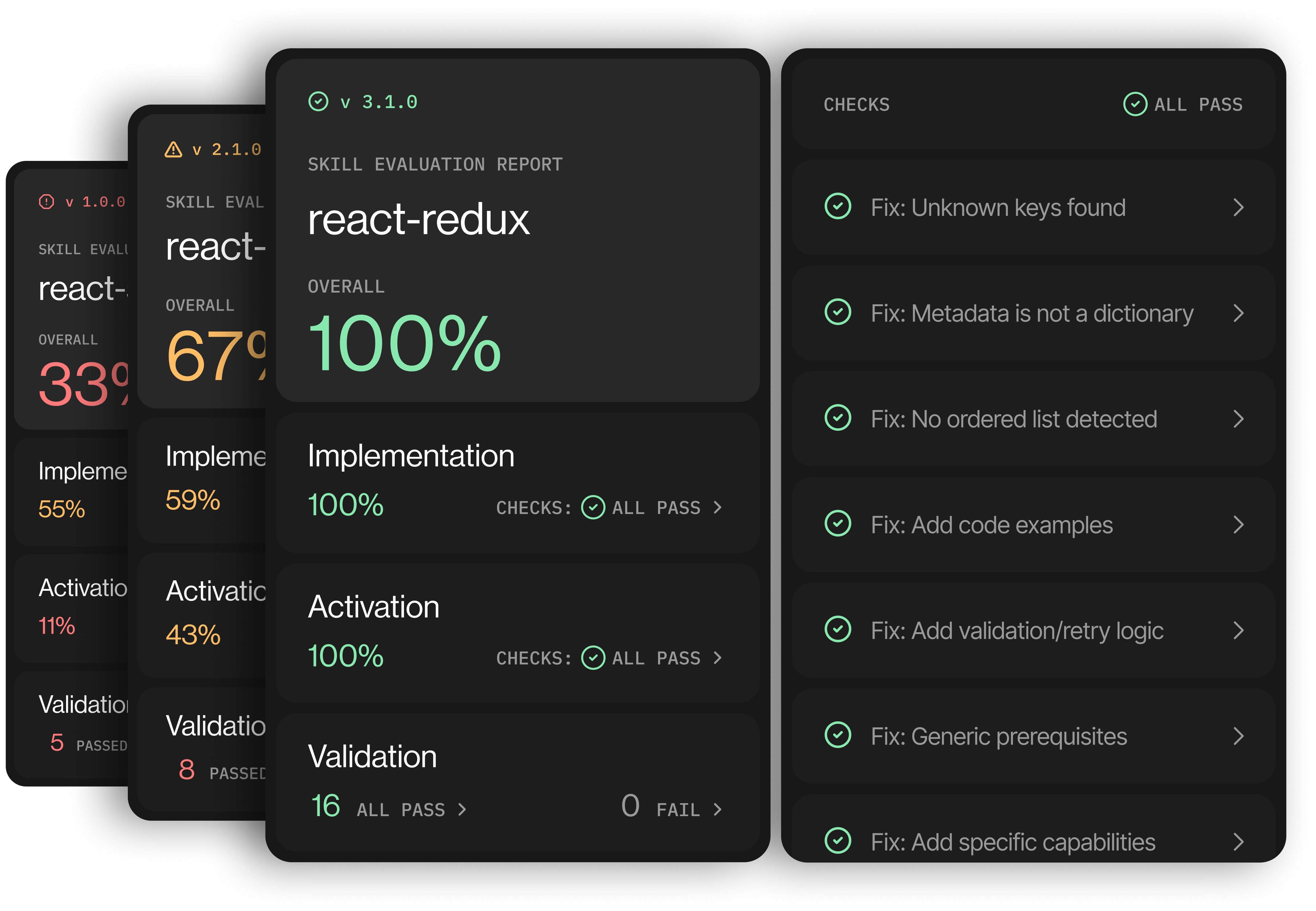
Disclosure: I work at Tessl and co-wrote the research this is from. Posting because the result changed how I'm thinking about which Claude model to reach for day to day. we ran 880 evals - 11 skills × 8 models × 5 scenarios, with and without each skill in context: Haiku 4.5 baseline: 61.2% Haiku 4.5 + skill: 84.3% Opus 4.7 baseline: 80.5% So a skill on the cheapest model in the lineup beat the most expensive one running blind. Cost-wise: $0.12 per Haiku-with-skill run versus $0.61 for baseline Opus. a few things to highlight for folks Skills helped weaker models more than stronger ones across the board. Haiku gained 23.1 points. Opus 4.7 gained 14. Adding a skill to Haiku barely moved the cost (1.5 cents marginal). The same skill on Opus added 39 cents per run! lift was uniform across vendors - every Codex variant + Cursor's Composer-2 also gained from skills, just at different magnitudes. The practical update for how I'm coding/working moving forward: for routine stuff like commit messages, code review, refactor suggestions, Haiku + a good skill is fast enough and accurate enough. I was reaching for Opus by default on things where it was overkill on. Curious what others are doing here - defaulting to Opus for everything, or have you found a Haiku or Sonnet workflow that holds up? Full benchmark and methodology: https://tessl.io/blog/anthropic-openai-or-cursor-model-for-your-agent-skills-7-learnings-from-running-880-evals-including-opus-47/ Disclaimer: The 11 skills in this benchmark are all coding-focused (e.g. node-best-practices, plus custom-API skills); the lift numbers are an aggregate across them. Findings are directional and aim to show a signal. Edit: The full list of 11 coding skills we picked for the sake of this experiment were from https://github.com/mcollina/skills (documentation, fastify-best-practices, init, linting-neostandard-eslint9, node-best-practices, nodejs-core, oauth, octocat, skill-optimizer, snipgrapher, typescript-magician) submitted by /u/jorkim_32 [link] [comments]
View originalTessl uses a tiered pricing model. Visit their website for current pricing details.
Key features include: Tessl Admin Guide: Organizations, Workspaces, and Roles, Three Kinds of AI Agent. Only One of Them Lives in Your Browser., WebMCP: Making Web Apps Faster and Cheaper for AI Agents, GPT-5.5 is OpenAI's best model. But paying more for it makes no sense., From Blind Spots to Merged PRs: Why Your Coding Agents Need Runtime Intelligence.
Tessl is commonly used for: Automating code reviews, Generating boilerplate code, Enhancing code documentation, Refactoring legacy code, Improving code quality through suggestions, Integrating with CI/CD pipelines.
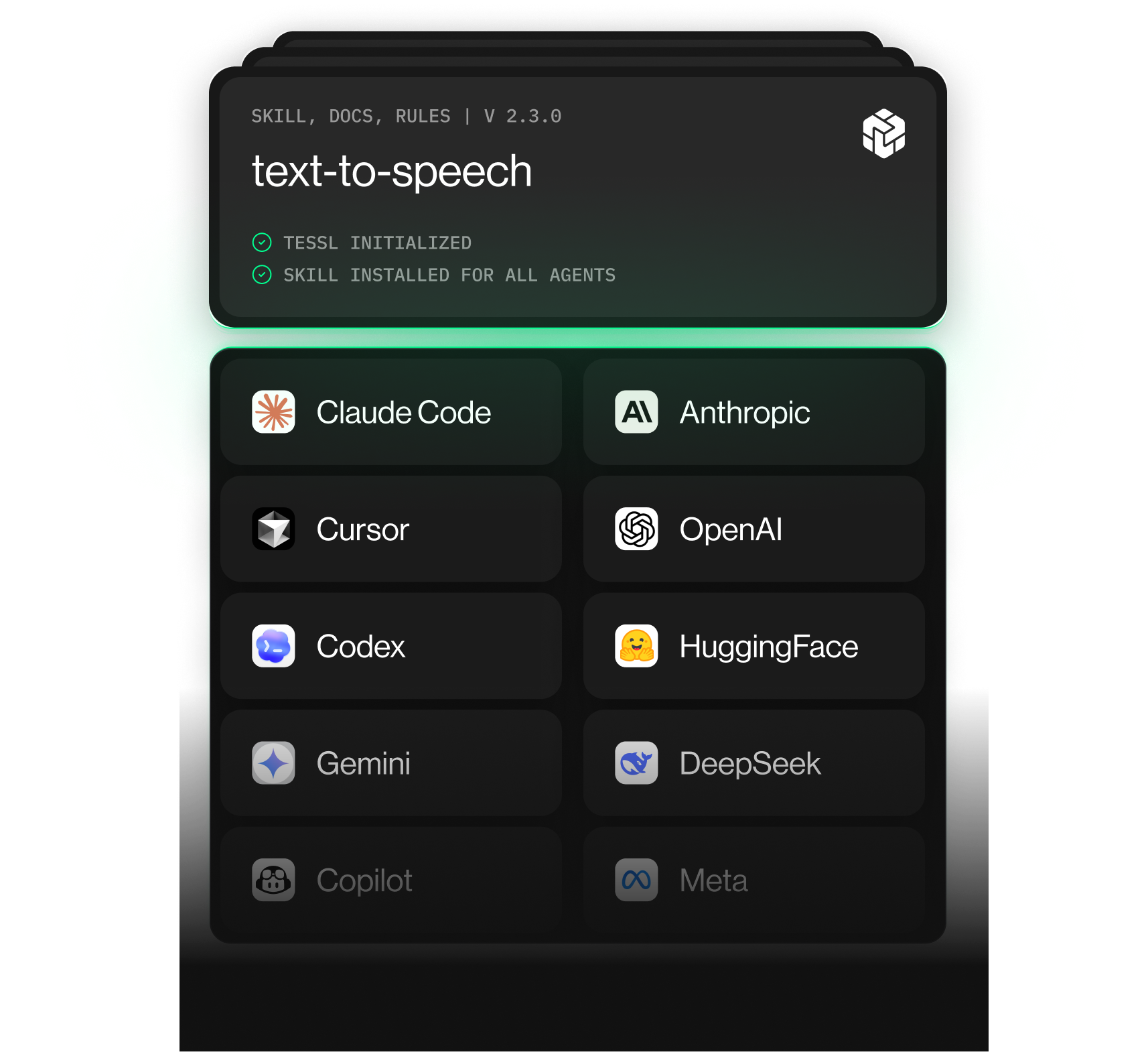
Tessl integrates with: GitHub, GitLab, Bitbucket, Jira, Slack, Trello, Visual Studio Code, JetBrains IDEs, CircleCI, Travis CI.

What the West Needs to Learn from DeepSeek
Apr 8, 2026