Qodo excels in AI-driven code verification and integrity, with a strong industry reputation and 10,722 GitHub stars. In contrast, OpenHands is an open-source, cloud-focused AI-agent platform with 70,510 GitHub stars, known for ease of use in business automation but criticized for integration complexity.
Best for
Qodo is the better choice when seeking seamless integration for resolving code issues before commit within larger development teams focused on maintaining consistent high code quality.
Best for
OpenHands is the better choice when prioritizing model-agnostic cloud deployment and customization for AI automation within teams focused on business operations and process automation.
Key Differences
Verdict
For teams focused on robust, AI-driven code integrity and quality assurance with existing workflows, Qodo offers a well-rounded solution. Meanwhile, teams looking for model-agnostic automation with open-source flexibility will benefit from OpenHands, despite potential integration challenges. Each tool serves distinct purposes aligned to different organizational needs.
Qodo
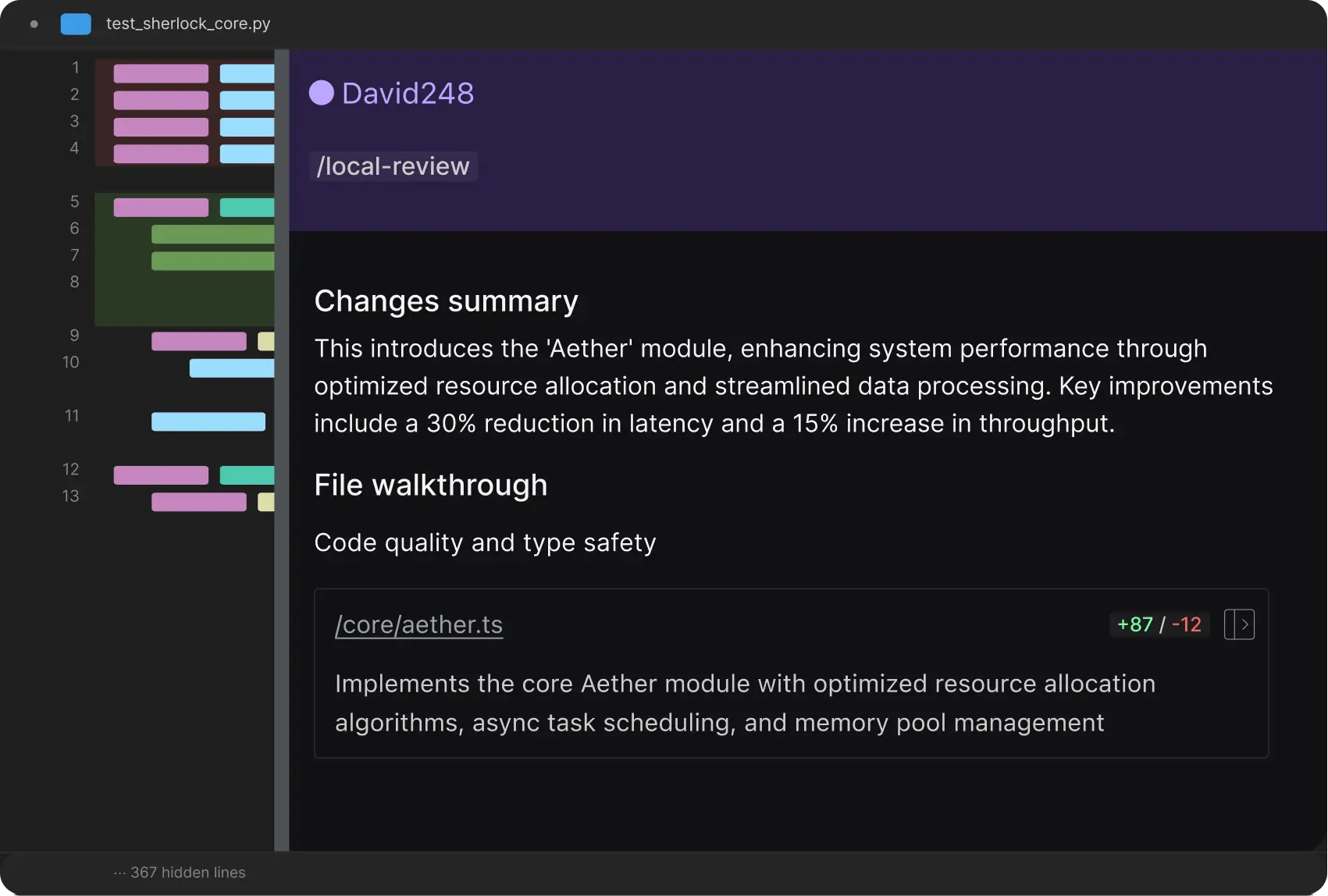
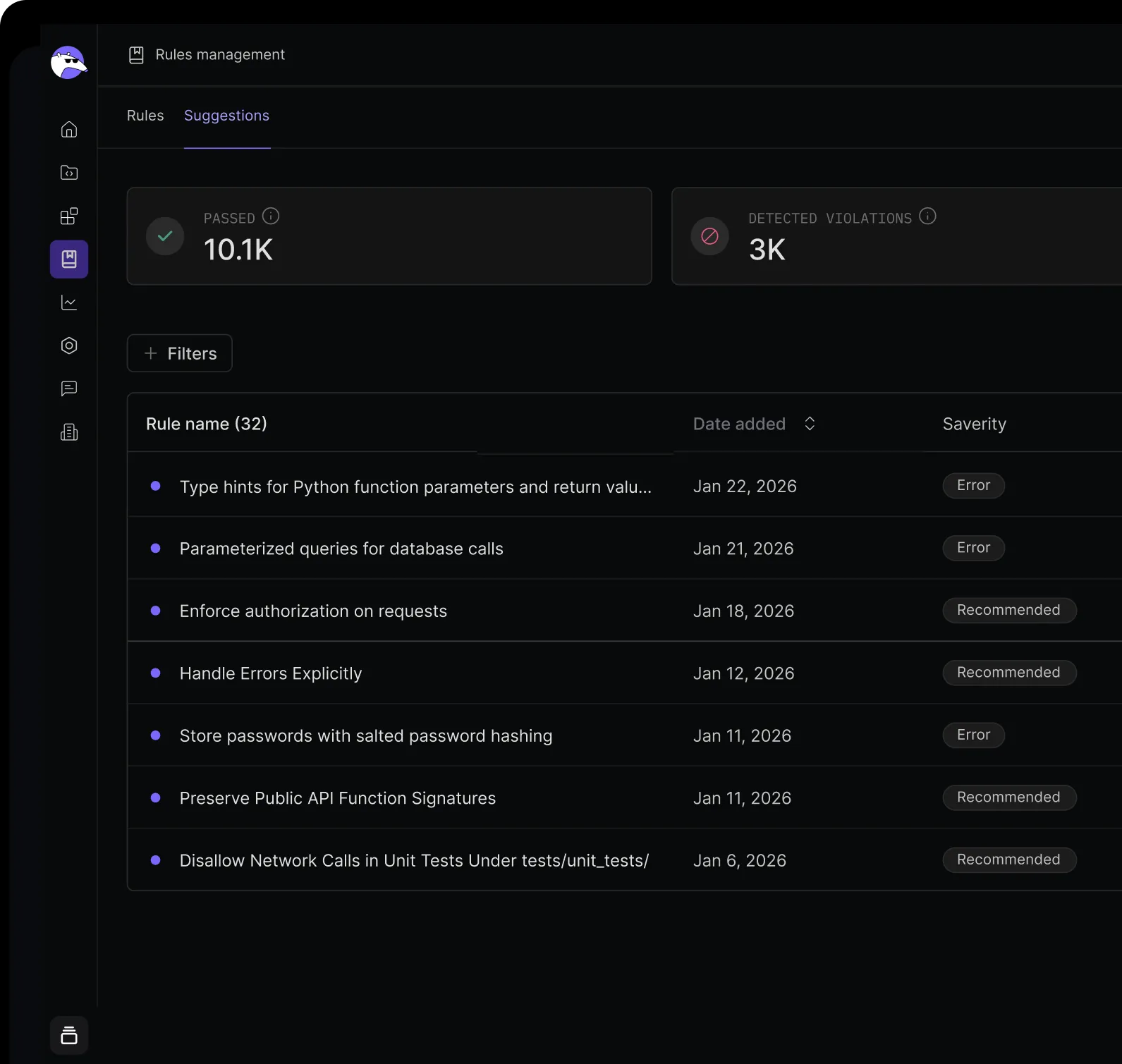
Qodo is an agentic code integrity platform for reviewing, testing, and writing code, integrating AI across development workflows to strengthen code qu
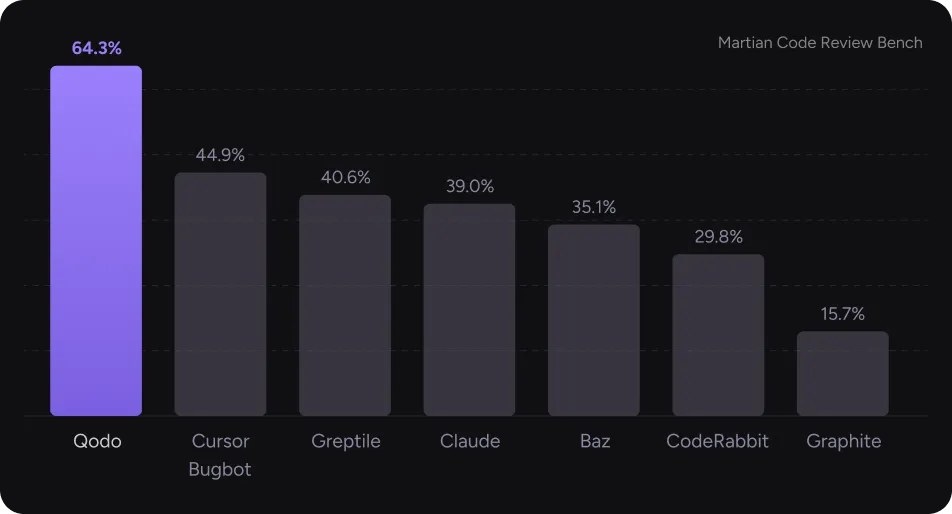
Qodo is well-regarded for its robust capabilities in code verification, especially as AI-driven code generation continues to scale. The social mentions highlight a significant funding milestone, which reinforces confidence in its potential to address key challenges in software development. Despite the strengths, the absence of detailed user reviews leaves pricing sentiments and specific complaints unmentioned, but the positive reputation stemming from coverage and investment signals a promising trajectory for the tool. Overall, Qodo is perceived as a forward-thinking solution in the rapidly evolving AI coding landscape.
OpenHands
Meet OpenHands, the open-source, model-agnostic platform for cloud coding agents. Automate real engineering work securely and transparently. Build fas
OpenHands is praised for its user-friendly interface and strong capabilities in managing workflows, particularly for non-developers who need to streamline business operations. However, users have expressed dissatisfaction with occasional bugs and the complexity of setting up integrations from GitHub, which can hinder the overall experience. Pricing sentiment seems mixed, with some users finding it valuable while others complain about pricing surprises coupled with perceived diminished service over time. Overall, OpenHands maintains a good reputation for reliability in business automation but has room to improve in user guidance and support.
Qodo
Not enough dataOpenHands
-28% vs last weekQodo
OpenHands
Qodo
OpenHands
Qodo
Pricing found: $0, $0, $38, $30 /user
OpenHands
Qodo (3)
OpenHands (8)
Only in Qodo (10)
Only in OpenHands (9)
Shared (10)
Only in Qodo (5)
Only in OpenHands (5)
Qodo
OpenHands
Qodo
OpenHands
Qodo
OpenHands
Qodo
OpenHands
Shared (4)
Qodo is better for teams prioritizing code integrity within development pipelines, while OpenHands excels in automating broader business processes.
Qodo offers a freemium model starting at $0, while OpenHands is contract-based potentially leading to price variabilities.
OpenHands, with 70,510 GitHub stars, suggests stronger community involvement compared to Qodo's 10,722 stars.
Yes, they can complement each other, with Qodo managing code integrity and OpenHands handling business automation and workflow orchestration.
Qodo may be easier to start with due to its straightforward freemium model and standard integrations, while OpenHands could pose challenges with initial setup complexities in integrations.