Qodo is an agentic code integrity platform for reviewing, testing, and writing code, integrating AI across development workflows to strengthen code qu
Qodo is praised for its robust code verification capabilities, particularly as AI-generated code becomes more prevalent, offering a crucial solution for ensuring software functionality. However, some users express concerns about its complexity and a steep learning curve. Pricing is generally considered steep, although many agree that the features justify the cost for those who can utilize its full potential. Overall, Qodo holds a strong reputation in the industry for addressing critical needs in AI-driven software development.
Mentions (30d)
0
Reviews
0
Platforms
3
GitHub Stars
10,722
1,389 forks
Qodo is praised for its robust code verification capabilities, particularly as AI-generated code becomes more prevalent, offering a crucial solution for ensuring software functionality. However, some users express concerns about its complexity and a steep learning curve. Pricing is generally considered steep, although many agree that the features justify the cost for those who can utilize its full potential. Overall, Qodo holds a strong reputation in the industry for addressing critical needs in AI-driven software development.
Features
Use Cases
Industry
information technology & services
Employees
64
Funding Stage
Series B
Total Funding
$121.0M
1,520
GitHub followers
23
GitHub repos
10,722
GitHub stars
20
npm packages
Pricing found: $0, $0, $38, $30 /user
Claude Code is a context-engineering harness, and most "it got dumber" moments are context rot
There's a name for it: context rot. As the window fills, the model's ability to recall any specific thing in it drops. More context in the window can make the agent worse, not better. (Anthropic's own framing: good context engineering is finding the smallest set of high-signal tokens, not the largest.) The reframe that helped me: Claude Code isn't just a model, it's a harness whose main job is managing what's in that window for you. And it hands you four levers to do it. They line up with the four moves of context engineering: Write (persist outside the window): CLAUDE.md. It auto-loads every session, and it survives compaction because it reloads from disk, so anything that must not be forgotten belongs there, not in the chat. Conversation-only instructions are the first thing lost when context gets tight. Select (pull in only what's relevant): @-mention the specific files you mean, or point it at the exact file or function, instead of letting it wander the repo. Every irrelevant file you pull in is tokens spent rotting the rest. Compress (summarize to stay high-signal): /compact, optionally with a focus like "/compact focus on the auth refactor." It also compacts automatically when the window fills, clearing old tool outputs first. Running /compact yourself, before it's forced, keeps the summary on your terms. Isolate (give exploration its own window): subagents. They run in a separate context window and return only their final result, so a big noisy search doesn't bloat your main thread. This is the same point as an earlier post of mine that subagents are a memory trick, not a speed trick. Isolation is the real win. Two more levers worth knowing: /context shows you what's eating the window right now (MCP tool definitions, big files, history). When the session feels heavy, look before you guess. /clear between unrelated tasks. Carrying a finished task's context into a new one is pure rot. The mental shift: stop treating the window as free space to fill, and start treating it as a budget you actively curate. A smarter model raises the ceiling, but it doesn't save you from a window full of noise. TL;DR: When Claude Code "gets dumber" deep in a session, that's usually context rot, not the model. Treat Claude Code as a context-engineering harness with four levers: Write (CLAUDE.md), Select (@-files), Compress (/compact), Isolate (subagents). Plus /context to see usage and /clear between tasks. Curate the window, don't just fill it. For people who live in Claude Code: what's your actual discipline here? I've started running /compact on my own terms and leaning hard on subagents for anything exploratory, but I'm curious whether people trust automatic compaction or always drive it manually. Sources: Anthropic — Effective context engineering for AI agents · Claude Code — How Claude remembers your project (CLAUDE.md) · Claude Code — How Claude Code works (context / compaction) · Claude Code — Create custom subagents · Why More Context Makes Your Agent Dumber — Nupur Sharma, Qodo submitted by /u/bit_forge007 [link] [comments]
View originalQodo raises $70M for code verification as AI coding scales
As AI floods software development with code, Qodo is betting the real challenge is making sure it actually works.
View originalRepository Audit Available
Deep analysis of Codium-ai/pr-agent — architecture, costs, security, dependencies & more
Yes, Qodo offers a free tier. Pricing found: $0, $0, $38, $30 /user
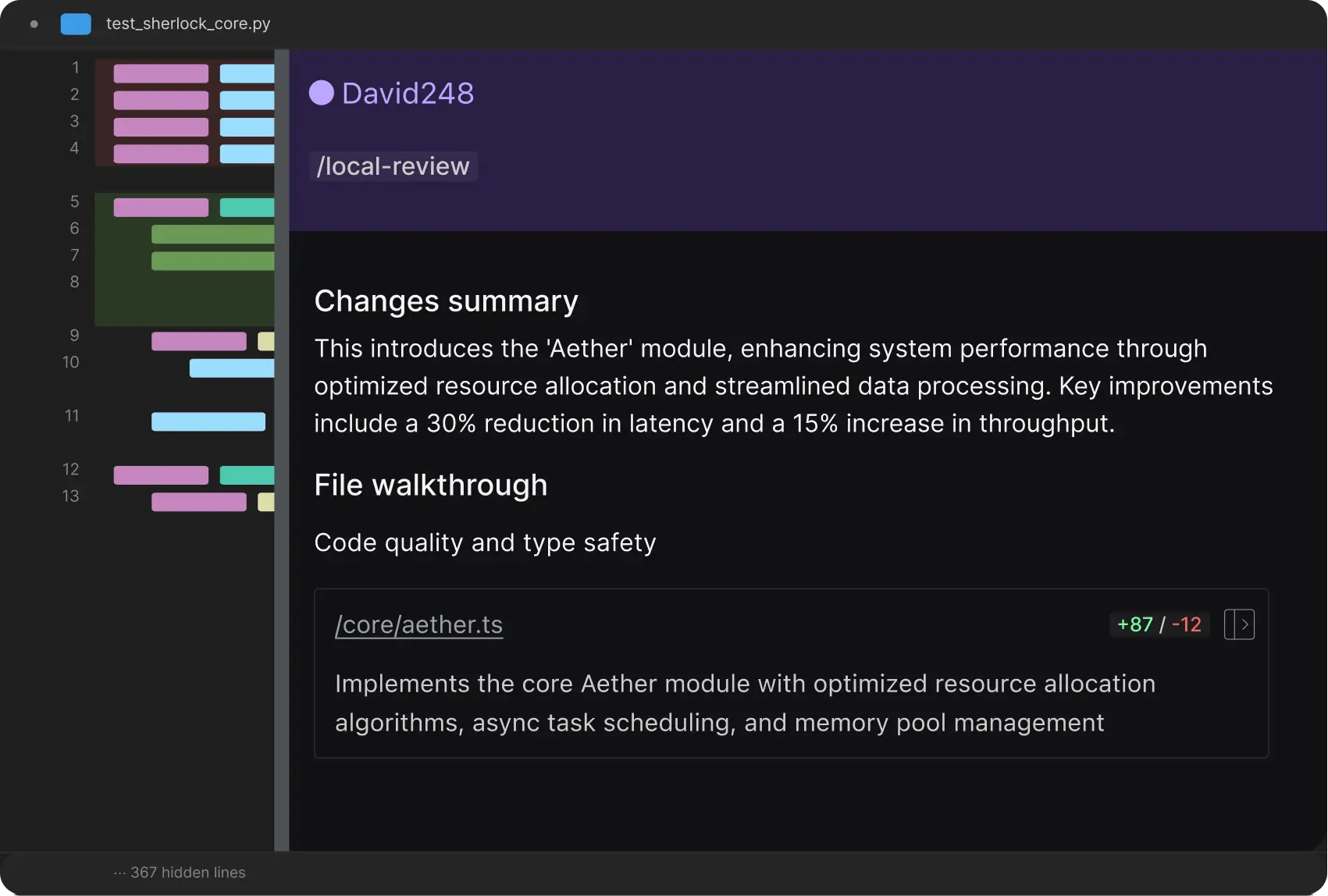
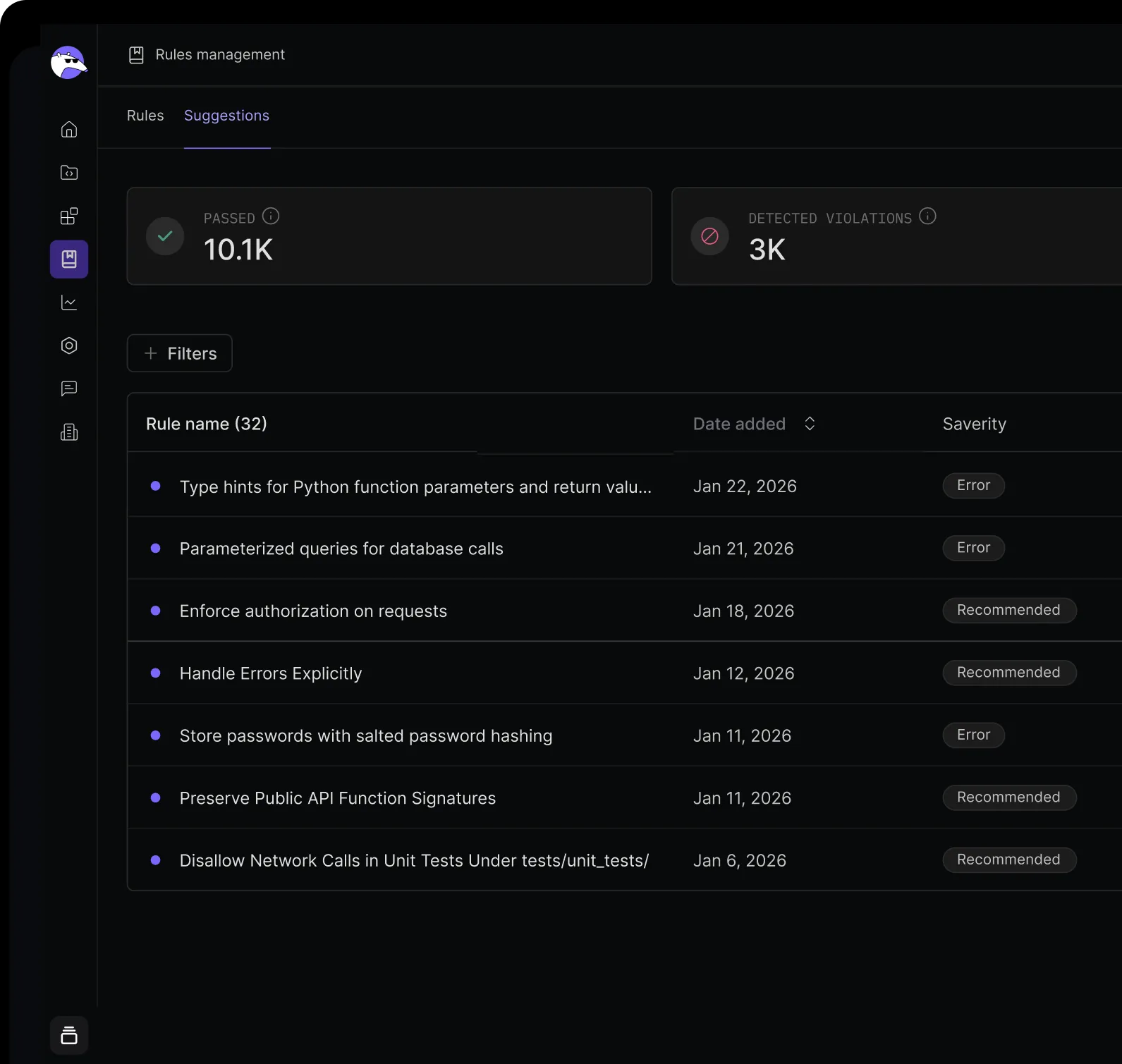
Key features include: Focused, accurate reviews, Real-time review while you code, Resolve issues before commit, Rules that evolve with your codebase, Cleaner code from the start, Smarter, faster pull requests, Consistent code quality, Use Qodo with your tools, your workflows, and your AI models..
Qodo is commonly used for: ISSUE RESOLUTION, Resolve issues before commit, Zero data retention.
Qodo integrates with: GitHub, GitLab, Bitbucket, Jira, Slack, Visual Studio Code, JetBrains IDEs, CircleCI, Travis CI, Azure DevOps.
Qodo has a public GitHub repository with 10,722 stars.

A New AI Code Reviewer Just Dropped!
Apr 1, 2026
Based on user reviews and social mentions, the most common pain points are: raises.