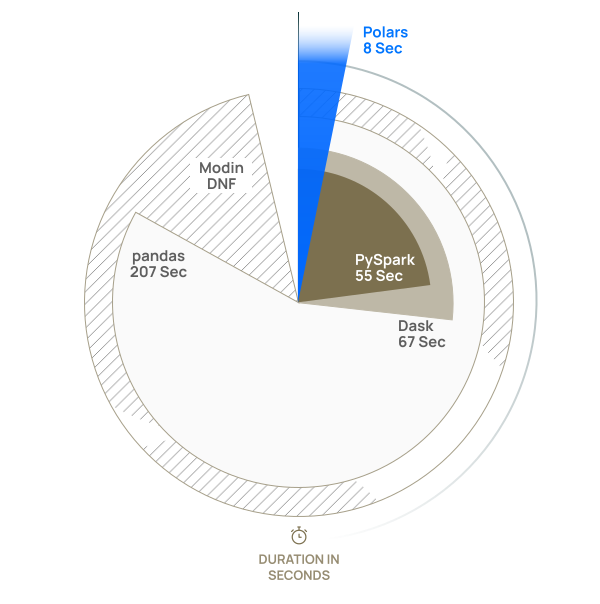
Polars and Observable cater to different needs within the ai-analytics category. Polars shines in handling large-scale data with extensive format support and integration options, whereas Observable excels at interactive data visualizations and real-time collaboration. Observable has a stronger community reputation with noted flexibility although its learning curve is challenging.
Best for
Polars is the better choice when handling large datasets with diverse format requirements and prioritizing integration with cloud services is crucial for the team.
Best for
Observable is the better choice when teams need to collaborate on data visualizations and prototype data models interactively, especially if they're comfortable with JavaScript.
Key Differences
Verdict
Polars is ideal for teams that require vast data processing capabilities and integration across multiple data formats, optimal for scaling datasets and enterprise solutions. Observable is suited for teams focusing on collaborative data visualization and interactive data exploration, making it a solid pick for data science groups embracing JavaScript. Choose based on your specific data requirements and team skill sets.
Polars
DataFrames for the new era
Based on the limited reviews and social mentions found, there is scarce information on "Polars AI." However, the repeated appearance in video links suggests it might be a topic of interest, potentially related to AI advancements or specific implementations. Due to the absence of direct feedback or pricing mentions, it's difficult to assess its strengths, complaints, or general pricing sentiment. Consequently, the overall reputation cannot be confidently summarized from the available data.
Observable
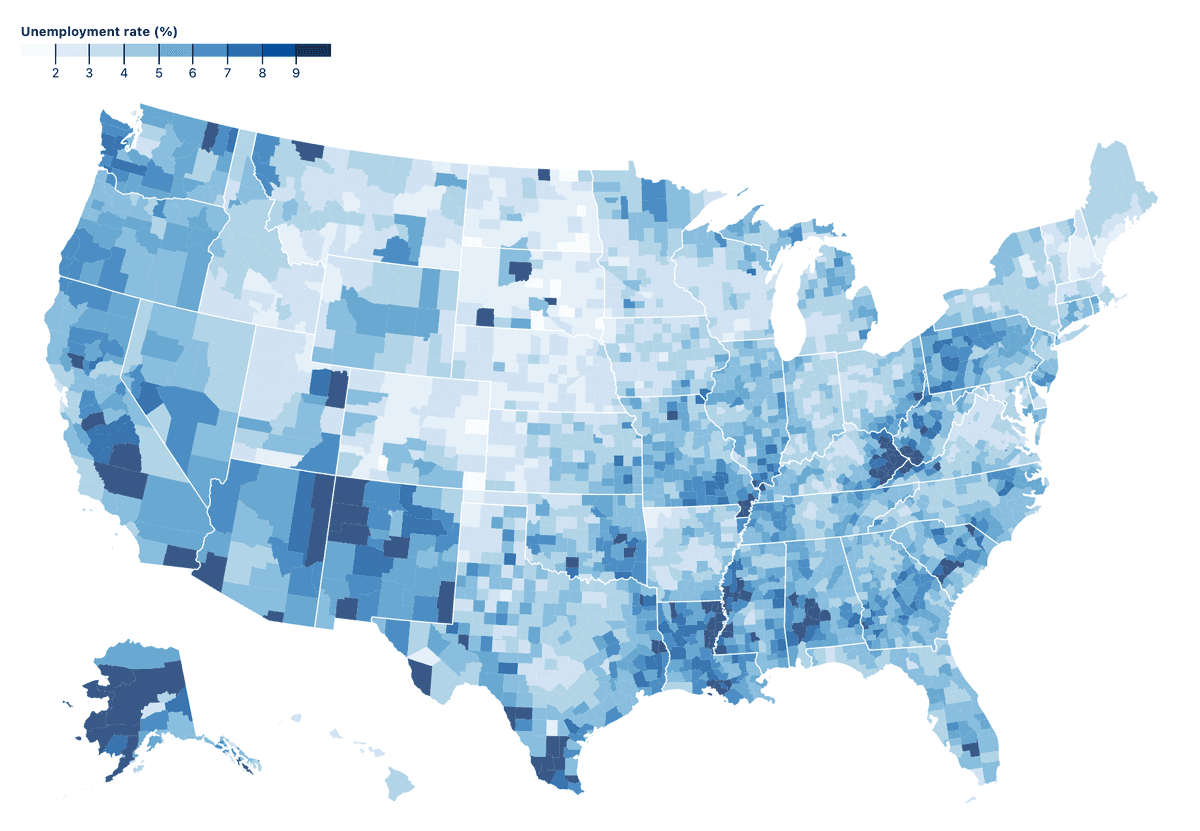
Quickly explore and analyze data, build prototype data visualizations, and collaborate with your team in real-time with live JavaScript notebooks.
Observable has been positively received for its interactive data visualization capabilities, allowing users to easily create and share dynamic visualizations in a collaborative environment. Key complaints primarily revolve around a steep learning curve for new users, especially those unfamiliar with JavaScript. Sentiment regarding pricing is generally neutral, with some users finding value in its offerings but others noting it can be pricey for small projects. Overall, Observable is regarded as a powerful tool within data science communities, particularly valued for its flexibility and collaborative features.
Polars
Stable week-over-weekObservable
+23% vs last weekPolars
Observable
Polars
Observable
Polars
Observable
Pricing found: $22/mo, $10/mo
Polars (1)
Observable (8)
Only in Polars (10)
Only in Observable (10)
Shared (1)
Only in Polars (16)
Only in Observable (14)
Polars
No complaints found
Observable
Polars
No data
Observable
Polars


Observable


Polars
Observable
Shared (2)
Only in Polars (1)
Only in Observable (2)
Observable is better for data visualization projects due to its specialization in interactive and real-time visualizations.
Observable offers subscription pricing starting at $10/mo, while Polars uses tiered pricing, but specific costs are not publicly detailed.
Observable has better community support with positive sentiment, especially for its collaborative features, whereas Polars lacks extensive community feedback.
Yes, by leveraging Polars for data processing tasks and Observable for visualization, teams can use the strengths of both tools in workflows.
Polars might be easier for teams familiar with data formats and integrations, while Observable poses a learning curve for those new to JavaScript.