PayloopPayloop
CommunityVoicesToolsDiscoverLeaderboardReportsBlog
Save Up to 65% on AI
Powered by Payloop — LLM Cost Intelligence
Tools/Papers with Code/vs Connected Papers
Papers with Code

Papers with Code

ai-research
vs
Connected Papers

Connected Papers

ai-research

Papers with Code vs Connected Papers — Comparison

Pain: 0/1008 integrations8 features
15 integrations8 features
The Bottom Line

Papers with Code excels in providing researchers with access to a vast array of machine learning papers with linked code implementations, while Connected Papers offers a unique visual exploration of related academic literature. Papers with Code is noted for its user-friendly interface and collaboration tools, whereas Connected Papers is praised for its innovative graph-based visualization and performance in interdisciplinary research.

Best for

Papers with Code is the better choice when the primary focus is on accessing and applying machine learning research papers directly in development projects within a small team or solo setting.

Best for

Connected Papers is the better choice when exploring and visualizing academic research trends and connections is crucial for large-scale literature reviews in interdisciplinary fields.

Key Differences

  • 1.Papers with Code provides extensive email updates and a multitude of integration options with platforms like GitHub and ResearchGate, while Connected Papers focuses more on visualization and offers multi-origin graphs.
  • 2.Connected Papers includes mobile support, which Papers with Code lacks, making it more accessible for remote and on-the-go research engagements.
  • 3.Papers with Code's pricing involves subscription with tiered options, contrasting with Connected Papers' simpler tiered pricing model focused on functionality.
  • 4.While both tools integrate with citation and reference management systems like Mendeley and Zotero, Connected Papers includes additional integrations with research-specific databases such as arXiv and IEEE Xplore.
  • 5.Papers with Code is better geared towards project development with its code and benchmark datasets, while Connected Papers serves users looking to visualize research connections across multiple disciplines.

Verdict

For researchers and developers focused on machine learning and hands-on applications, Papers with Code remains the go-to choice due to its extensive code repository and benchmark datasets. Conversely, those interested in a broader academic exploration and visual understanding of research trends will find value in Connected Papers' graph-based approach. Teams with diverse research needs could benefit from combining both tools to maximize their research and development capabilities.

Overview
What each tool does and who it's for

Papers with Code

Your daily dose of AI research from AK

Papers with Code receives praise for its extensive catalog of machine learning research papers coupled with code implementations, making it a valuable resource for both learning and project development. Users appreciate the integration of code, which aids in practical understanding and application of theoretical work. However, a few users note that some papers lack comprehensive code examples or have discrepancies between reported and reproduced results. While it is generally seen as a free and indispensable tool for researchers and developers, there are mentions of resource constraints potentially limiting its expansiveness.

Connected Papers

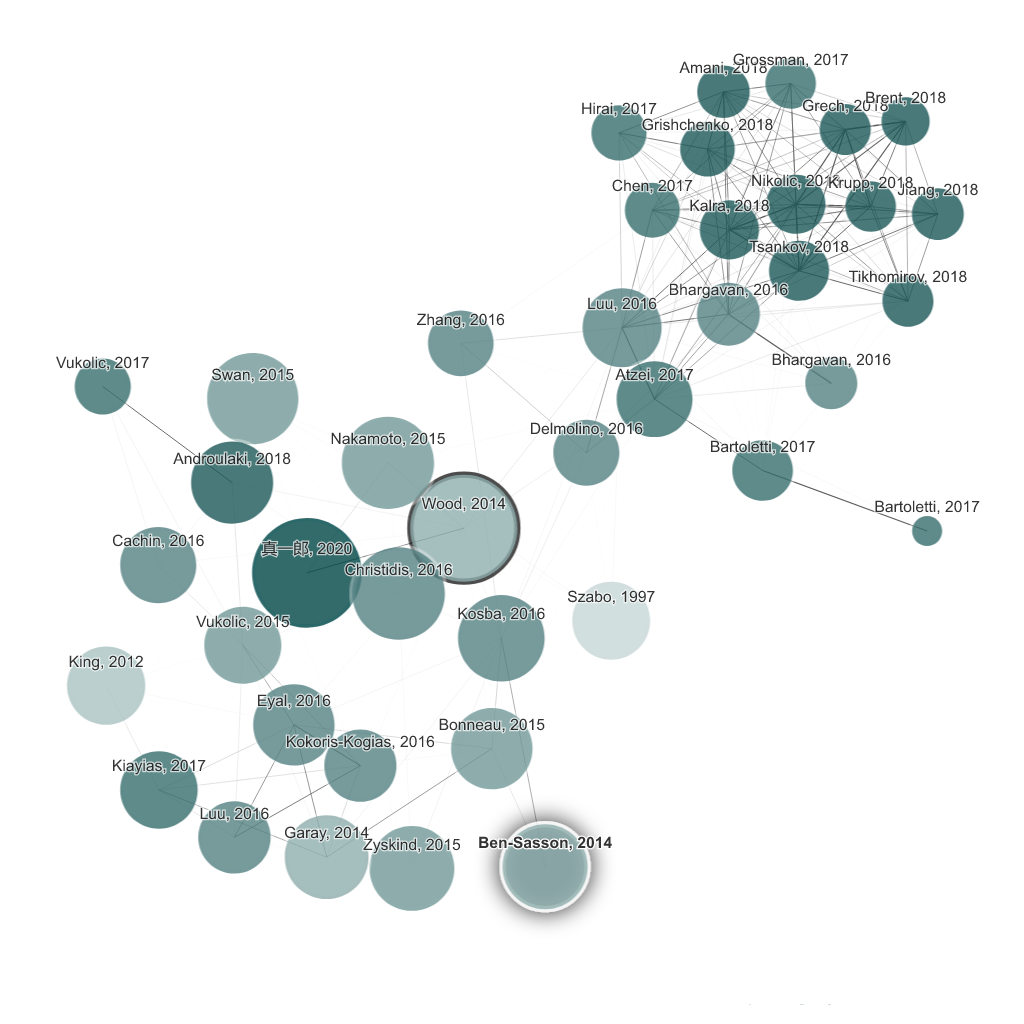
A unique, visual tool to help researchers and applied scientists find and explore papers relevant to their field of work.

Connected Papers is highly praised for its unique visual approach to discovering and exploring academic literature, which is beneficial for researchers and scientists. Users appreciate features like mobile support, integration with arXiv, downloads in .bib format, multi-origin graphs, and links to code implementations, which enhance research efficiency. Some users reported server performance issues during spikes in user visits, reflecting a need for infrastructure scaling. The overall sentiment around pricing is not explicitly mentioned, suggesting it may not be a significant concern compared to the tool's functionality and growing reputation in the academic community.

Key Metrics
42
Mentions (30d)
12
Mention Velocity
How discussion volume is trending week-over-week

Papers with Code

-50% vs last week

Connected Papers

+133% vs last week
Where People Discuss
Mention distribution across platforms

Papers with Code

Reddit
97%
YouTube
3%

Connected Papers

Reddit
58%
Twitter/X
38%
YouTube
4%
Community Sentiment
How developers feel about each tool based on mentions and reviews

Papers with Code

14% positive83% neutral3% negative

Connected Papers

11% positive89% neutral0% negative
Pricing

Papers with Code

subscription + tiered

Connected Papers

tiered
Use Cases
When to use each tool

Papers with Code (6)

Staying updated on the latest AI researchFinding code implementations for academic papersIdentifying benchmark datasets for experimentsCollaborating with peers on research projectsConducting literature reviews efficientlyExploring trending topics in AI research

Connected Papers (6)

Identifying key research trends in a specific fieldFinding foundational papers for a new research projectExploring interdisciplinary connections between different fieldsVisualizing the evolution of a research topic over timeCollaborating with peers by sharing visual graphsPreparing literature reviews with a comprehensive overview of related works
Features

Shared (1)

User-friendly interface for easy navigation

Only in Papers with Code (7)

Daily email updates with trending papersSearchable database of research papersCode implementations linked to papersBenchmark datasets associated with researchFiltering options by categories and tagsCollaboration tools for researchersCitation tracking for papers

Only in Connected Papers (7)

Graph-based visualization of academic papersAbility to explore related papers through a visual graphSearch functionality to find specific topics or authorsFiltering options based on publication year and relevanceOption to save and share custom graphsIntegration with citation management toolsSupport for multiple languages
Integrations

Only in Papers with Code (8)

GitHub for code repositoriesGoogle Scholar for citation trackingMendeley for reference managementSlack for team notificationsTwitter for sharing trending papersResearchGate for academic networkingZotero for bibliographic managementMedium for publishing summaries of papers

Only in Connected Papers (15)

ZoteroMendeleyEndNoteGoogle ScholarResearchGateORCIDPubMedarXivScopusIEEE XploreSpringerLinkACM Digital LibraryJSTORWeb of ScienceSemantic Scholar
Developer Ecosystem
13
GitHub Repos
—
5,748
GitHub Followers
—
2
npm Packages
—
4
HuggingFace Models
—
Pain Points
Top complaints from reviews and social mentions

Papers with Code

token usage (2)token cost (1)API costs (1)

Connected Papers

API costs (2)down (2)spending too much (1)critical (1)
Top Discussion Keywords
Most mentioned keywords from community discussions

Papers with Code

token usage (2)token cost (1)API costs (1)

Connected Papers

API costs (2)down (2)spending too much (1)critical (1)
Product Screenshots

Papers with Code

Papers with Code screenshot 1

Connected Papers

Connected Papers screenshot 1
What People Talk About
Most discussed topics from community mentions

Papers with Code

open source22
model selection20
api19
workflow16
accuracy15
data privacy13
cost optimization12
documentation9

Connected Papers

api9
open source9
model selection9
accuracy8
cost optimization7
support6
performance6
scalability6
Top Community Mentions
Highest-engagement mentions from the community

Papers with Code

I made a Claude Code plugin that draws matplotlib figures in that soft-pastel "alignment research blog" style

You know the look — the figures in Anthropic's research posts. Bold sans-serif titles, scatter points under a smoothed trend line with a shaded band, those bars with the slightly rounded tops, little ↓better badges in the corner. I kept wanting my own plots to look like that and kept rebuilding the

Redditby Mapikaa source

Connected Papers

After a long beta, we are launching! Connected Papers is a unique, visual tool to help researchers and applied scientists find and explore papers relevant to their field of work. https://t.co/KgAbUxmz

After a long beta, we are launching! Connected Papers is a unique, visual tool to help researchers and applied scientists find and explore papers relevant to their field of work. https://t.co/KgAbUxmzU0

Twitter/Xby @ConnectedPapers source
Company Intel
research
Industry
information technology & services
3
Employees
4
Supported Languages & Categories

Only in Papers with Code (5)

AI/MLFinTechDevOpsSecurityDeveloper Tools
Frequently Asked Questions
Is Papers with Code or Connected Papers better for machine learning projects?▼

Papers with Code is better suited for machine learning projects because it offers direct access to research papers and code implementations related to project development.

How does Papers with Code pricing compare to Connected Papers?▼

Papers with Code uses a subscription-based tiered pricing, which could be more flexible for long-term users, whereas Connected Papers offers a simpler tiered pricing which might cater better to users focusing on short-term, intensive research projects.

Which has better community support, Papers with Code or Connected Papers?▼

Both tools have robust support from academic communities, but Papers with Code benefits from integrations with platforms like GitHub and Slack, potentially offering more dynamic collaboration possibilities.

Can Papers with Code and Connected Papers be used together?▼

Yes, integrating both can enhance research capabilities: Papers with Code for direct application of machine learning concepts and Connected Papers for exploring broader research trends.

Which is easier to get started with, Papers with Code or Connected Papers?▼

Connected Papers is generally easier to get started with due to its intuitive visual interface and minimal setup requirements, while Papers with Code's deeper integration features might have a steeper initial learning curve.

View Papers with Code Profile View Connected Papers Profile