Luma AI and D-ID both excel at AI-driven content creation; however, Luma AI specializes in 3D generation and augmented reality applications, while D-ID focuses on video generation and digital avatars. Luma AI is backed by extensive funding (Series C at $1.0B) and offers extensive integrations with tools like Unity and Unreal Engine, positioning itself strongly within 3D environments. On the other hand, D-ID's reputation is bolstered by Series B funding of $56.4M, emphasizing video content and dynamic avatar creation with a focus on privacy and GDPR compliance.
Best for
Luma AI is the better choice when creating 3D models for gaming, animations, and architectural visualizations, especially for teams already using design tools like Blender and Unreal Engine.
Best for
D-ID is the better choice when the goal is to create realistic digital avatars and video content with a consideration for data privacy, suitable for teams leveraging tools like Adobe Creative Cloud and Microsoft Teams.
Key Differences
Verdict
For teams focusing on 3D modelling and augmented reality, Luma AI offers comprehensive tools and integrations making it the superior option. However, for those prioritizing video content and digital avatars, particularly if privacy and regulatory compliance are top considerations, D-ID presents a robust solution. Each tool has unique strengths suited to different facets of digital content creation.
Luma AI
Your creative team becomes prolific with Luma Agents
Luma AI appears to be frequently mentioned without much context seen in the data, which may suggest automated or repetitive mentions rather than detailed feedback from users. There is little specific sentiment available regarding its strengths or weaknesses, pricing, or overall reputation due to the dataset being largely composed of repeated instances of its name. Without substantive user reviews or discussion, it's hard to determine the precise standing of Luma AI in the user community. It likely suffers from lack of engagement and detailed evaluation in the available social data.
D-ID
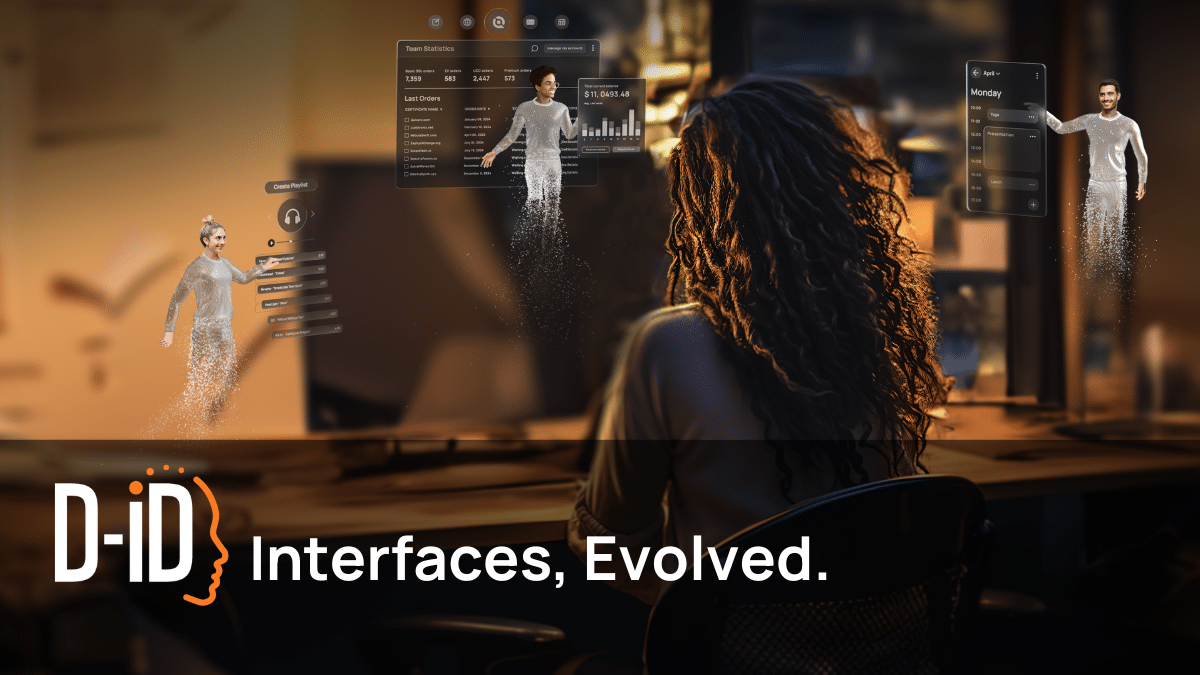
Introducing NUI the Natural User Interface, aimed at revolutionizing how people interact with anything digital leveraging the power of AI
D-ID is praised for its innovative approach to creating digital characters and enhancing media experiences, gaining recognition mainly for its ability to produce realistic avatars and dynamic video content. However, some users express concerns about GDPR compliance and data privacy, which are pivotal for businesses considering its application. Pricing sentiments are varied, with some users finding the package offerings value-driven while others feel the cost could be prohibitive for smaller enterprises. Overall, D-ID maintains a reputable standing in the industry, noted for cutting-edge AI technology but still navigating user concerns around privacy and cost-effectiveness.
Luma AI
-67% vs last weekD-ID
-71% vs last weekLuma AI
D-ID
Luma AI
D-ID
Luma AI
Pricing found: $30 /month, $300, $90 /month, $900, $300 /month
D-ID
Luma AI (8)
D-ID (1)
Only in Luma AI (3)
Only in D-ID (10)
Shared (9)
Only in Luma AI (6)
Only in D-ID (6)
Luma AI
No complaints found
D-ID
Luma AI
No data
D-ID
Luma AI
Luma AI




D-ID

Shared (1)
Only in D-ID (3)
Luma AI is better for creating 3D models due to its specialized features in 3D generation and integration capabilities with tools like Unity and Unreal Engine.
Luma AI's pricing is transparent with specific tiers from $30/month to $300/month, while D-ID's exact pricing tiers are less disclosed, causing varied user sentiment regarding its cost-effectiveness.
Luma AI has a fair amount of positive community discussions and seems to have fewer reported drawbacks, although both communities are active and contribute to ongoing development.
Yes, they can be used together as they cater to different aspects of digital content creation; Luma AI for 3D environments and D-ID for video and avatar generation. Their overlapping integrations, like Figma and Adobe Creative Cloud, facilitate collaborative workflows.
Ease of use can depend on the specific use case, but Luma AI may offer a quicker start for teams accustomed to 3D modelling software, while D-ID might be more straightforward for those focused on video content and compliance needs.