Kombai excels in frontend development assistance with high-fidelity Figma conversions and intelligent design capabilities, appealing to teams focused on UI/UX improvements. Pieces, with its strong code snippet management and context-aware coding assistance, is preferred for teams looking to enhance coding workflows and collaboration. Kombai maintains a modest presence with a smaller team (18 employees), while Pieces, supported by a larger workforce (44 employees) and higher funding ($14.5M), garners more extensive community adoption.
Best for
Kombai is the better choice when your team requires AI-powered frontend optimization and design integration with tools like Figma.
Best for
Pieces is the better choice when your team needs efficient code management, context-driven coding assistance, and collaboration features for enhanced workflow.
Key Differences
Verdict
Kombai suits teams focused on frontend development and design integration, thanks to its robust Figma conversion and intelligent design features. Pieces, however, is more suitable for organizations looking for comprehensive coding workflow enhancements and snippet management. Your choice should depend on whether your primary need is streamlined frontend design or enhanced coding productivity.
Kombai
Built-in skills that build world-class frontend
Based on user reviews and limited social mentions, Kombai is praised for its strong AI capabilities and user-friendly interface, making it a valuable tool for professionals seeking efficiency and ease of use. However, some users have expressed concerns about occasional glitches and the need for a more robust support system. Pricing sentiment appears to be cautiously positive, with users finding the software to deliver a reasonable value for its price. Overall, Kombai maintains a favorable reputation as an innovative AI tool, albeit with room for improvement in customer support and technical reliability.
Pieces
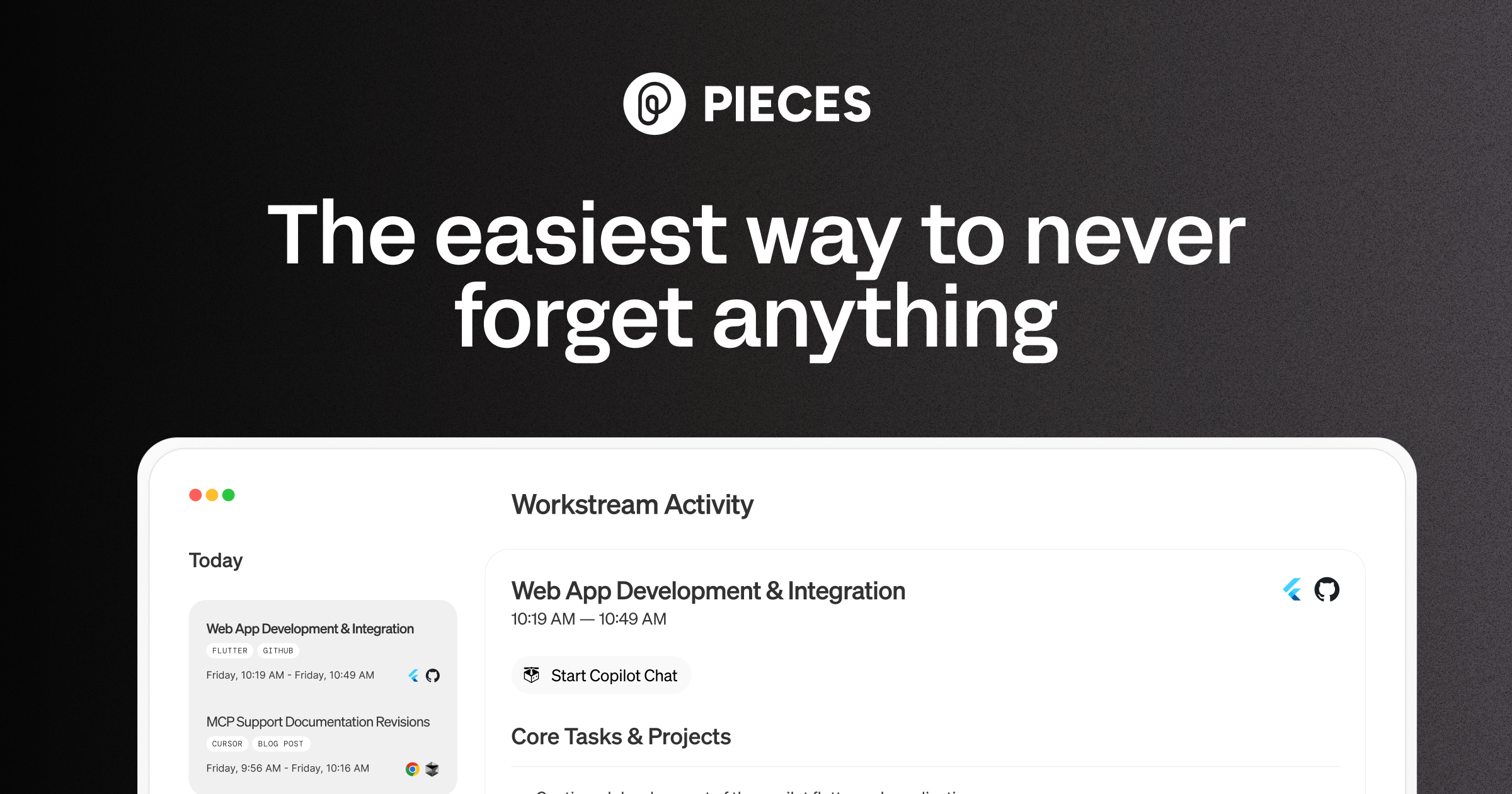
Pieces is your AI companion that captures live context from browsers to IDEs and collaboration tools, manages snippets and supports multiple llms - al
Pieces is praised for its intuitive design and efficient workflow organization, which many users find significantly boosts productivity. However, some users express concerns about occasional glitches and the lack of extensive customization options. The pricing tends to be viewed positively, seen as reasonable for the features offered. Overall, Pieces holds a solid reputation for its utility in enhancing daily tasks, yet there is room for improvement in stability and personalizability.
Kombai
Not enough dataPieces
-72% vs last weekKombai
Pieces
Kombai
Pieces
Kombai
Pricing found: $0
Pieces
Kombai (8)
Pieces (8)
Only in Kombai (10)
Only in Pieces (4)
Shared (6)
Only in Kombai (2)
Only in Pieces (9)
Kombai
No complaints found
Pieces
Kombai
No data
Pieces
Kombai
Kombai



Pieces
Kombai
Pieces
Kombai
Pieces
Show HN: I turned a sketch into a 3D-print pegboard for my kid with an AI agent
We have pegboards and plywood all over our apartment, and I had an idea to make a tiny pegboard for my kid, Oli. So I naturally cut the wood, drilled in the holes, sat down at the computer to open Fusion 360 and spend an hour or two drawing the pieces by hand.<p>Then I looked at the rough sketch Oli
Shared (1)
Only in Pieces (3)
Kombai is better for frontend development thanks to its high-fidelity Figma conversion and intelligent design tools.
Kombai offers a free tier which can be more cost-effective initially, while Pieces has tiered pricing without a free option, potentially making it more expensive depending on team needs.
Pieces likely has better community support, bolstered by its larger company size and higher funding, which suggests more resources for community engagement.
Yes, they can be used together, as they address different aspects of development workflow—frontend design versus coding efficiency.
Kombai might be easier to get started with due to its free tier, allowing teams to trial features without initial cost concerns.


