OpenPipe and ZenML serve different facets of the MLOps landscape, with OpenPipe excelling in fine-tuning capabilities and ZenML offering robust orchestration solutions. OpenPipe has a more extensive GitHub presence with 2,787 stars, indicating higher community engagement, whereas ZenML's limited reviews suggest a more niche user base.
Best for
ZenML is the better choice when streamlined orchestration, versioning, and governance are essential, particularly for teams focused on scaling and seamless integration with frameworks like Kubernetes.
Best for
OpenPipe is the better choice when fine-tuning pre-trained LLMs and model customization are critical, especially for teams needing flexible exporting of models without vendor lock-in.
Key Differences
Verdict
For teams engaged in intensive model fine-tuning with a need for openness, OpenPipe is the preferred tool due to its strong customization features. On the other hand, ZenML is better suited for teams needing comprehensive orchestration and governance capabilities across their ML pipelines. Both tools have unique strengths and cater to distinct stages of the ML lifecycle.
ZenML
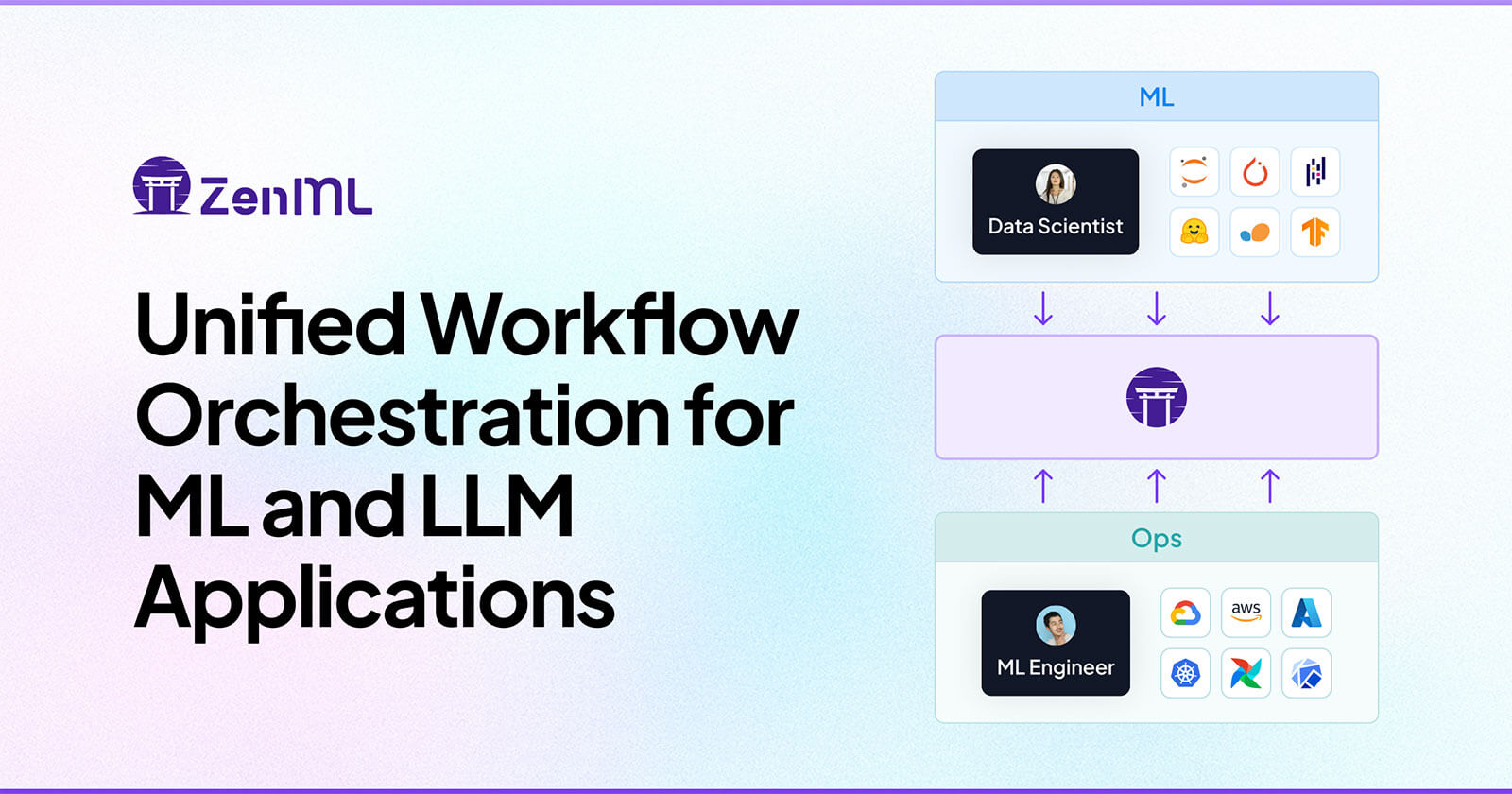
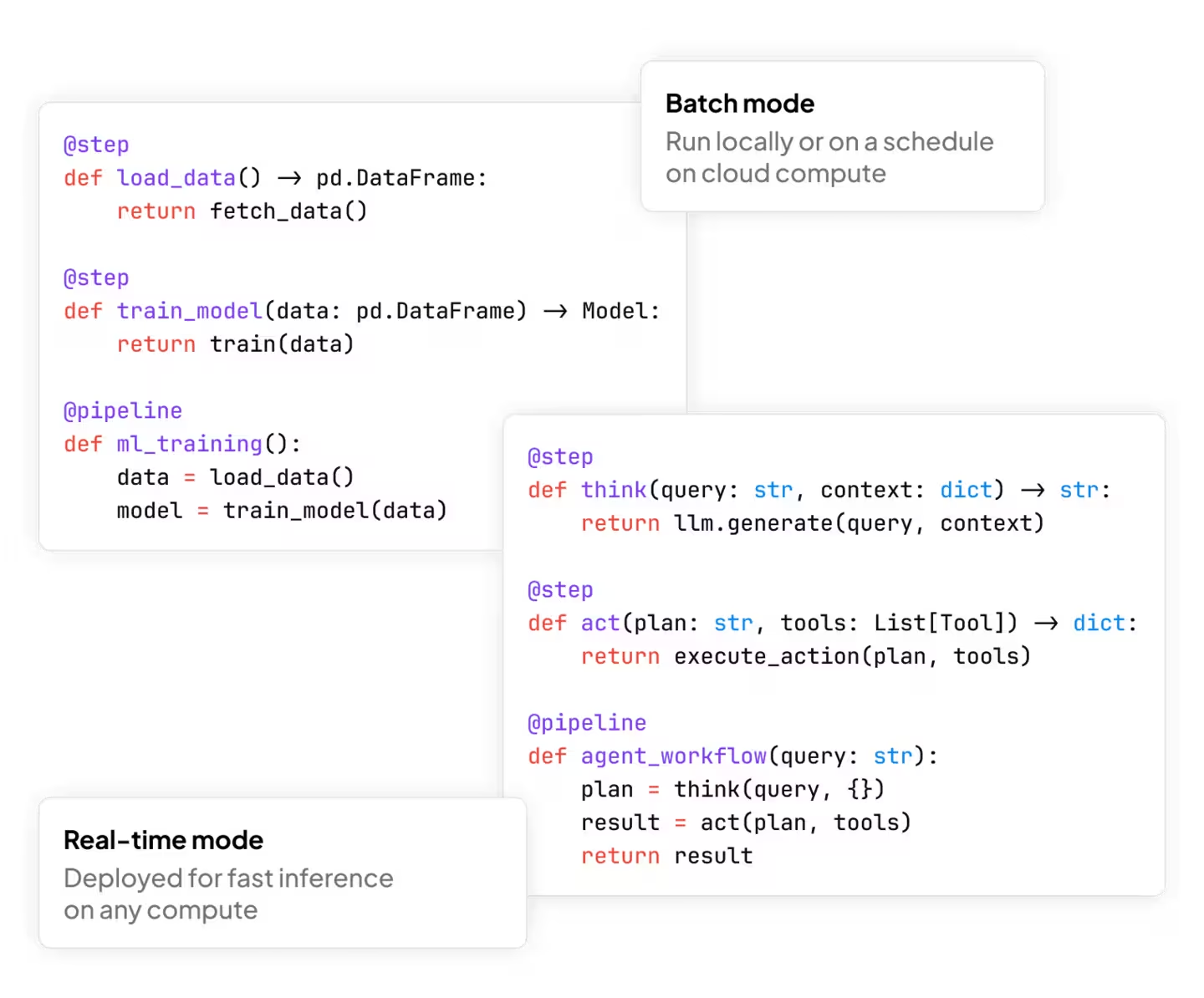
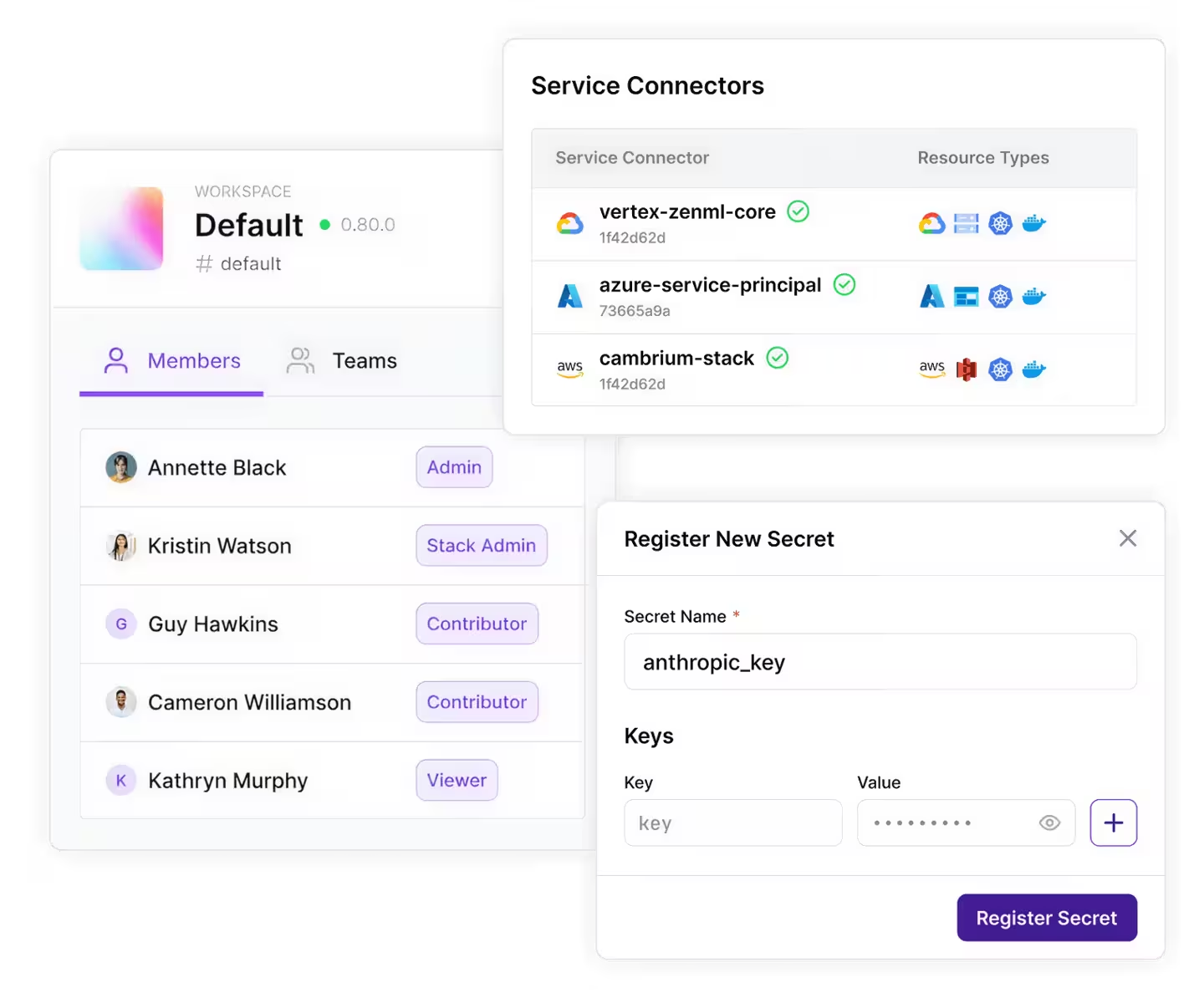
One layer for orchestration, versioning, and governance — from training pipelines to agent evals, local to Kubernetes.
ZenML is appreciated by users for its streamlined machine learning workflow capabilities, which simplify the development and deployment process. However, the limited range of available reviews and social mentions suggests a lower visibility or smaller user base, leading to potential concerns about community support and integrations. Pricing sentiment is not mentioned, indicating either satisfaction with current pricing models or insufficient data to influence perceptions. Overall, ZenML garners a positive but understated reputation, primarily due to a niche following in the context of machine learning tools.
OpenPipe
OpenPipe is highly praised for its robust fine-tuning capabilities, allowing users to create high-quality, customized models without lock-in limitations, which is a key strength highlighted by users. The tool's ability to export fine-tuned models and its integration of OpenAI and other models like GPT and Llama 2 are particularly appreciated. Users express enthusiasm for its competitive pricing, especially with the support for the newest and affordable models like GPT-3.5-0125. Overall, OpenPipe has a strong reputation for innovation and flexibility in AI model management, with positive anticipation for future updates and features.
ZenML
Not enough dataOpenPipe
Stable week-over-weekZenML
OpenPipe
ZenML
OpenPipe
ZenML
Pricing found: $399 /month, $999 /month, $2,499 /month, $399/mo, $999/mo
OpenPipe
ZenML (8)
OpenPipe (8)
Only in ZenML (8)
Only in OpenPipe (8)
Shared (5)
Only in ZenML (10)
Only in OpenPipe (10)
ZenML
No complaints found
OpenPipe
ZenML
No data
OpenPipe
ZenML

OpenPipe
No screenshots
ZenML
OpenPipe
ZenML
OpenPipe
OpenPipe linked up w/ Wyatt Marshall CTO & Co-Founder of Halluminate so he could have an in-depth conversation on how to build a robust Evals system for your production GenAI technology w/ Reid Ma
OpenPipe linked up w/ Wyatt Marshall CTO & Co-Founder of Halluminate so he could have an in-depth conversation on how to build a robust Evals system for your production GenAI technology w/ Reid Mayo (Founding AI Engineer). Check it out!: https://t.co/kiu6IeWFml
Only in ZenML (5)
OpenPipe is better suited for model fine-tuning due to its advanced features tailored for optimizing pre-trained models.
OpenPipe is perceived as cost-effective, especially with GPT-3.5-0125 support, whereas ZenML offers tiered pricing starting at $399/month.
OpenPipe likely has better community support, as reflected by its 2,787 GitHub stars compared to fewer reviews for ZenML.
Though designed for different purposes, OpenPipe and ZenML could potentially be used together; OpenPipe for fine-tuning models and ZenML for orchestration.
Getting started with OpenPipe may be easier for teams focused on LLM fine-tuning, while ZenML requires setup for orchestration tasks.


