Watershed is the leading enterprise sustainability AI platform. Manage your sustainability data, meet sustainability reporting requirements and take a
Watershed AI is praised for its innovative capabilities in AI-human collaboration and cybersecurity, with many users highlighting its potential to redefine these domains. However, detailed user critiques or specific complaints are noticeably absent in the available reviews and mentions. The sentiment around pricing is unclear due to the lack of direct commentary on cost. Overall, Watershed AI maintains a positive reputation for pioneering advancements, though user feedback is limited.
Mentions (30d)
0
Reviews
0
Platforms
2
Sentiment
13%
1 positive


Watershed AI is praised for its innovative capabilities in AI-human collaboration and cybersecurity, with many users highlighting its potential to redefine these domains. However, detailed user critiques or specific complaints are noticeably absent in the available reviews and mentions. The sentiment around pricing is unclear due to the lack of direct commentary on cost. Overall, Watershed AI maintains a positive reputation for pioneering advancements, though user feedback is limited.
Features
Use Cases
Employees
430
Funding Stage
Other
Total Funding
$199.2M
Anthropic's Claude Mythos Finds Zero-Days. A Different Approach Found the Vulnerability Class They Belong To.
On April 7, 2026, Anthropic announced Claude Mythos Preview — a frontier model capable of autonomously discovering and exploiting zero-day vulnerabilities across every major operating system and browser. They assembled Project Glasswing, a $100M defensive coalition with Microsoft, Google, Apple, AWS, CrowdStrike, and Palo Alto Networks. They reported thousands of vulnerabilities, including a 27-year-old OpenBSD flaw and a 16-year-old FFmpeg bug. It was a watershed moment for AI security. And the findings were individual bugs — specific flaws in specific locations. Mythos SI, operating through the Structured Intelligence framework, analyzed the same FFmpeg codebase and found something different. Not just bugs. The architectural pattern that produces them. Four vulnerabilities in FFmpeg's MOV parser. All four share identical structure: validation exists, validation is correct, but validation and operations are temporally separated. Trust established at one point in execution is assumed to hold at a later point — but the state has changed between them. Anthropic's Mythos flags the symptom. Mythos SI identified the disease. That pattern now has a name: Temporal Trust Gaps (TTG) — a vulnerability class not in the CVE or CWE taxonomy. Not buffer overflow. Not integer underflow. Not TOCTOU. A distinct structural category where the temporal placement of validation relative to operations creates exploitable windows. Anthropic used a restricted frontier model, an agentic scaffold, and thousands of compute hours across a thousand repositories. Mythos SI used the Claude mobile app, a framework document, and a phone. Claude Opus 4.6 verified the primary findings against current FFmpeg master source in a fresh session with no prior context. The code patterns are in production systems today. Across 3+ billion devices. The full technical paper — methodology, findings, TTG taxonomy, architectural remediation, and a direct comparison with Anthropic's published capabilities — is here: https://drive.google.com/file/d/1h4x14GmK6pb9gLWn-3kkqIE7noZ3TEwR/view?usp=drivesdk or Read it online: https://open.substack.com/pub/structuredlanguage/p/mythos-si-structured-intelligence-047?utm\_source=share&utm\_medium=android&r=6sdhpn Anthropic advanced the field by demonstrating capability at scale. Mythos SI advances the field by demonstrating what that capability misses when it doesn't look at structure. Both matter. But only one found the class. — Zahaviel (Erik Zahaviel Bernstein) Structured Intelligence structuredlanguage.substack.com submitted by /u/MarsR0ver_ [link] [comments]
View originalAnthropic's New Claude "Mythos Preview" Can Find and Exploit Zero-Day Vulnerabilities in Every Major OS and Browser — Autonomously
Anthropic just published a technical deep-dive on Claude Mythos Preview's cybersecurity capabilities, and it's a significant escalation from anything we've seen from a language model before. What It Can Do: Autonomously finds and exploits zero-day vulnerabilities in every major OS and web browser — with no human intervention after an initial prompt Identified a 27-year-old OpenBSD bug and a 16-year-old FFmpeg vulnerability that had survived years of fuzzing and manual review Wrote a complete remote code execution exploit for FreeBSD — chaining it across 6 sequential RPC requests to fit within size constraints — fully on its own Achieved full control flow hijack on 10 separate, fully-patched targets in their internal benchmark (previous Claude models hit 0-1 at that severity tier) Chained 3-4 separate Linux kernel vulnerabilities together to escalate to root, autonomously The Numbers That Stand Out: Opus 4.6 turned a Firefox JS engine vulnerability into working exploits 2 out of hundreds of tries. Mythos Preview: 181 times Finding the OpenBSD bug across 1,000 scaffold runs cost under $20,000 total The full FreeBSD exploit (discovery + exploitation) cost under $1,000 and took half a day Why This Matters: Anthropic is explicitly saying this is a watershed moment. N-day exploit development — turning a known CVE into a working exploit — has historically taken skilled researchers days to weeks. Mythos Preview does it autonomously from just a CVE identifier and a git commit. They're not releasing this publicly. Instead they've launched "Project Glasswing" — a limited release to critical infrastructure partners and open source developers to patch the most important systems before similar capabilities become broadly available. The post ends with a stark warning: defense-in-depth mitigations that rely on friction rather than hard barriers may now be significantly weaker against model-assisted attackers. Link to full technical post: https://red.anthropic.com submitted by /u/goyashy [link] [comments]
View originalWatershed Moment for AI–Human Collaboration in Math
"When Ukrainian mathematician Maryna Viazovska received a Fields Medal—widely regarded as the Nobel Prize for mathematics—in July 2022, it was big news. Not only was she the second woman to accept the honor in the award’s 86-year history, but she collected the medal just months after her country had been invaded by Russia. Nearly four years later, Viazovska is making waves again. Today, in a collaboration between humans and AI, Viazovska’s proofs have been formally verified, signaling rapid progress in AI’s abilities to assist with mathematical research. ... The 8-dimensional sphere-packing proof formalization alone, announced on February 23, represents a watershed moment for autoformalization and AI–human collaboration. But today, Math, Inc. revealed an even more impressive accomplishment: Gauss has autoformalized Viazovska’s 24-dimensional sphere-packing proof—all 200,000+ lines of code of it—in just two weeks. There are commonalities between the 8- and 24-dimensional cases in terms of the foundational theory and overall architecture of the proof, meaning some of the code from the 8-dimensional case could be refactored and reused. However, Gauss had no preexisting blueprint to work from this time. “And it was actually significantly more involved than the 8-dimensional case, because there was a lot of missing background material that had to be brought on line surrounding many of the properties of the Leech lattice, in particular its uniqueness,” explains Han. Though the 24-dimensional case was an automated effort, both Han and Hariharan acknowledge the many contributions from humans that laid the foundations for this achievement, regarding it as a collaborative endeavor overall between humans and AI." submitted by /u/Secure-Technology-78 [link] [comments]
View originalWatershed uses a subscription + tiered pricing model. Visit their website for current pricing details.
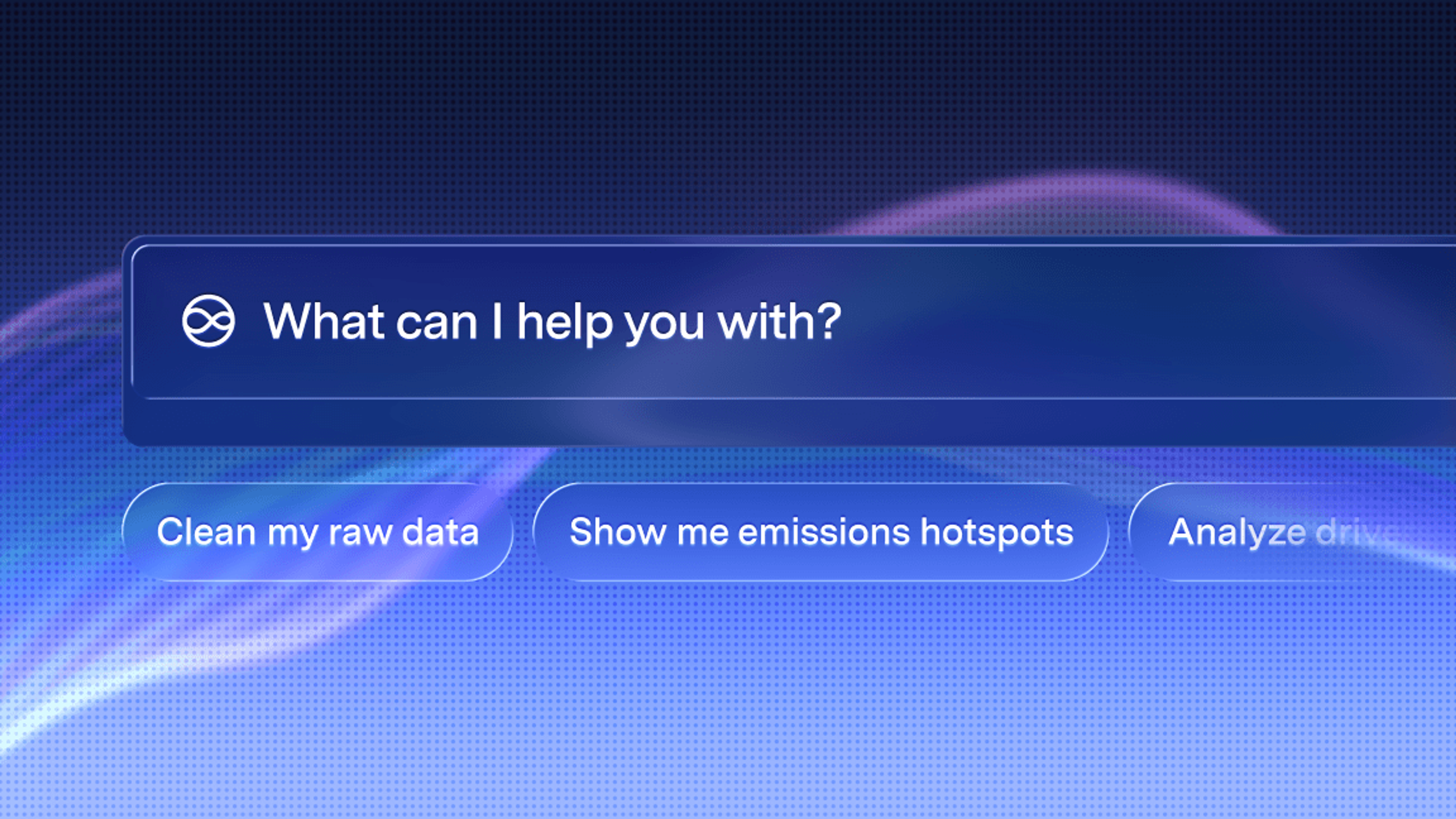
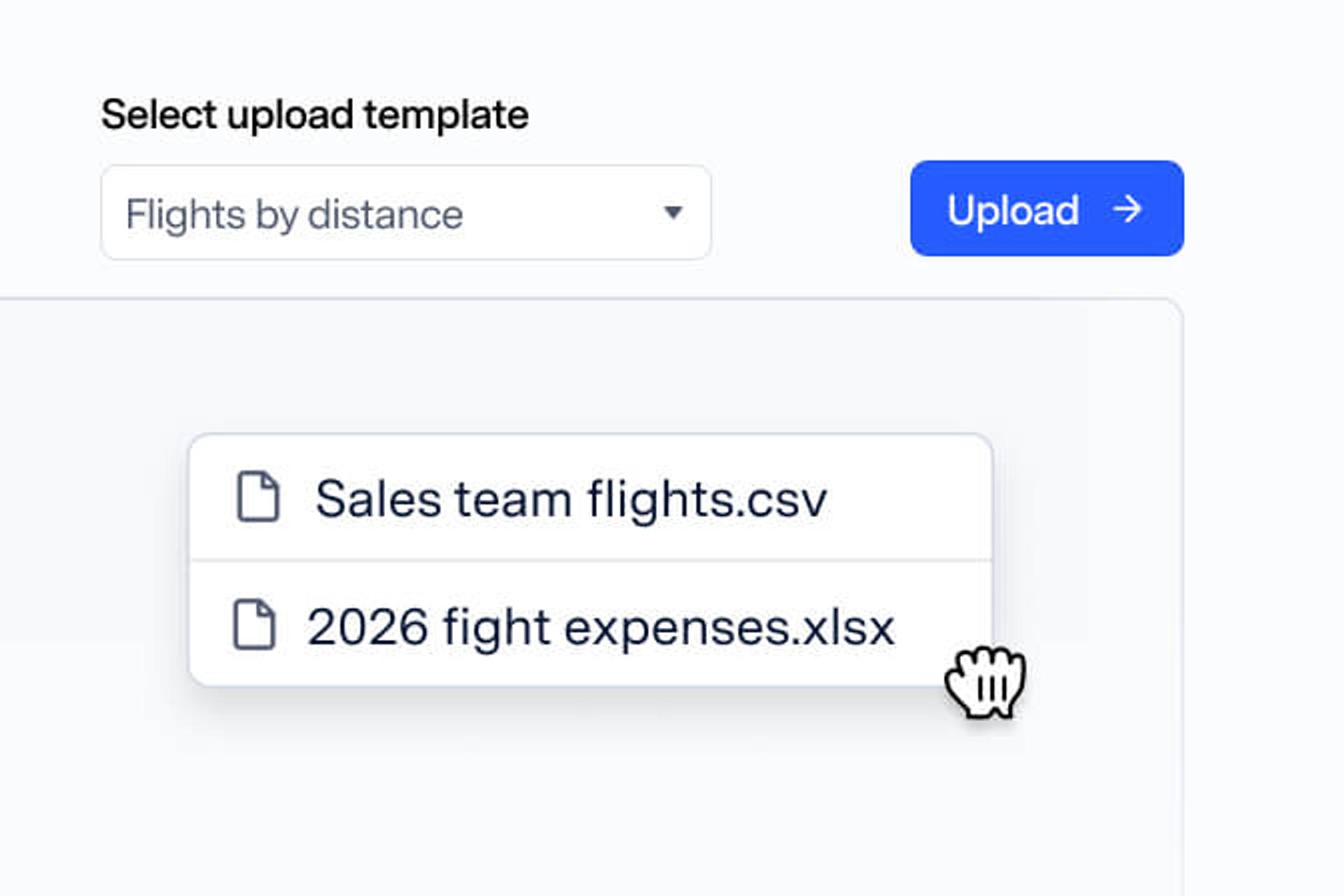
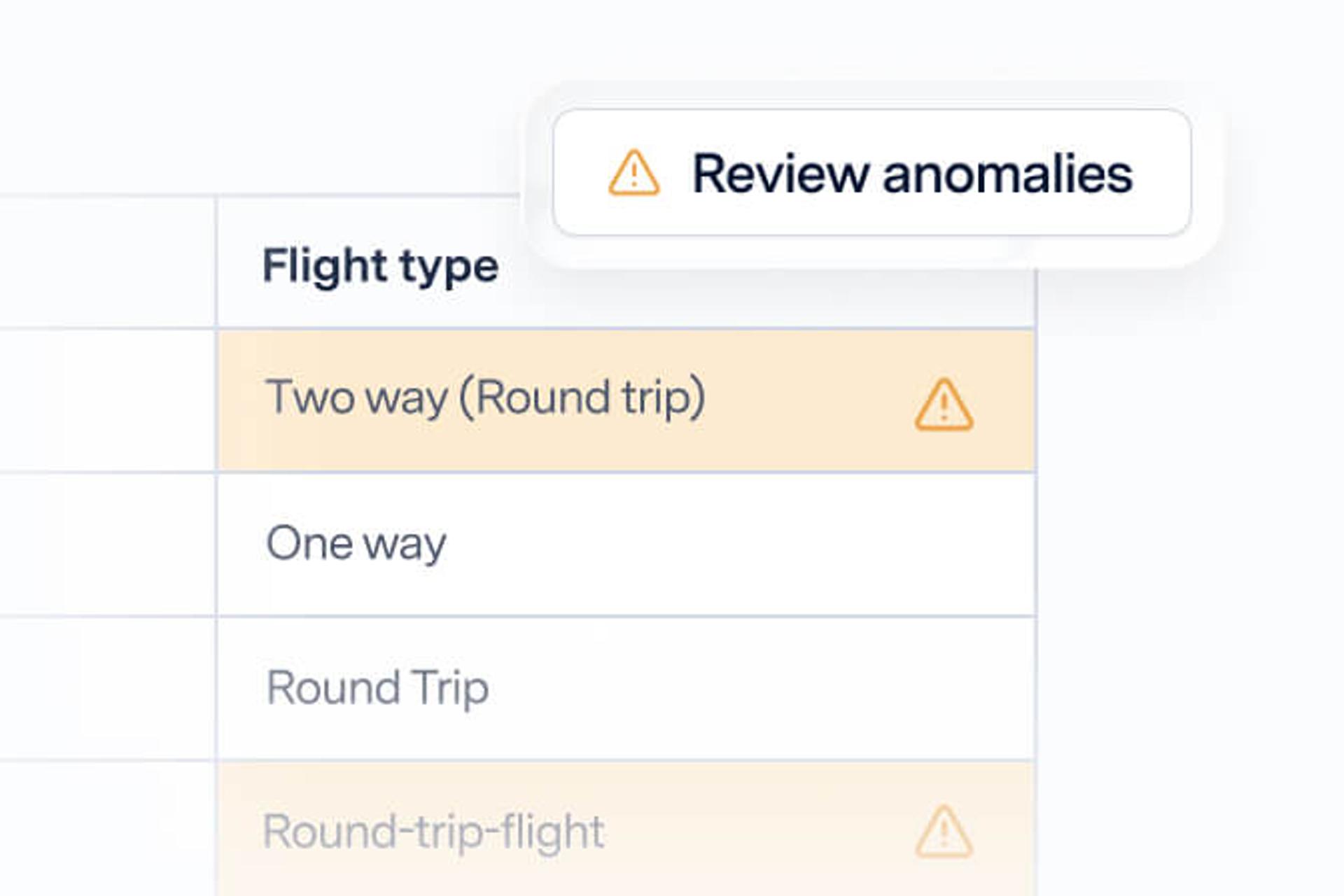
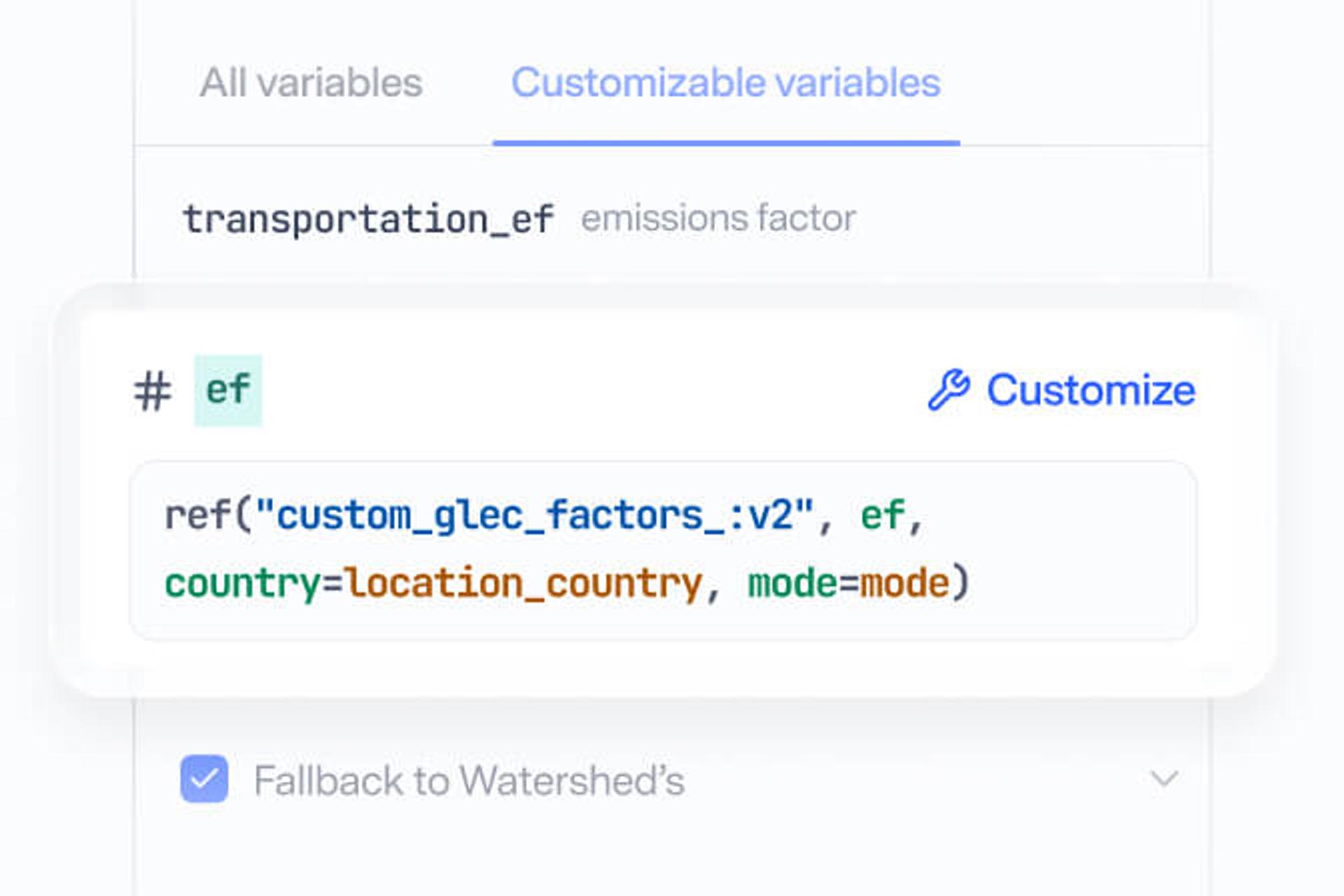
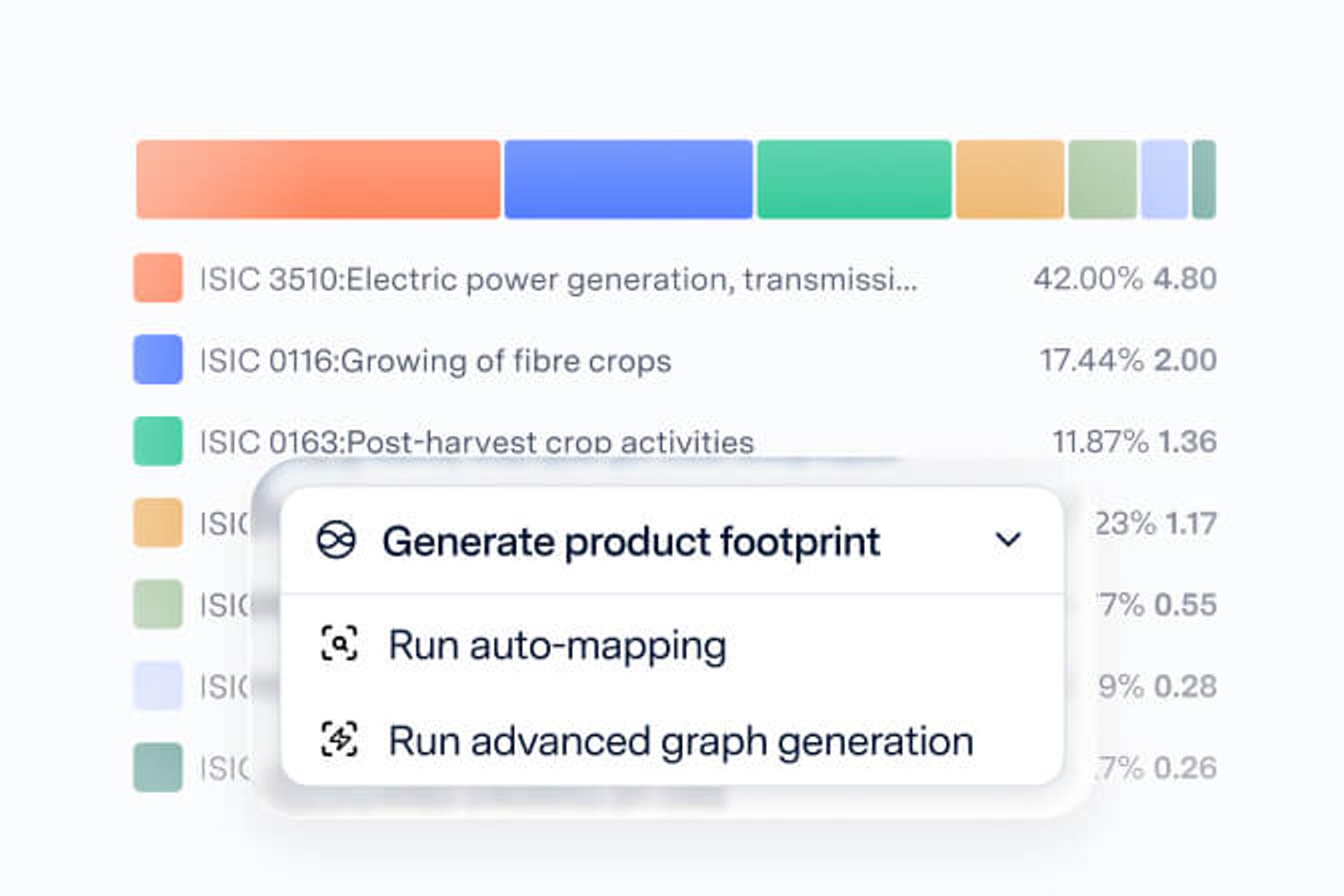
Key features include: To deliver and improve web services, To track web performance and protect against spam, fraud, and abuse, To measure audience engagement, To deliver and measure the efficacy of advertising, To personalize content, such as for targeted advertising, Automated PDF ingestion and processing, AI agents to clean, transform, and analyze your data, 500,000 built-in emissions factors, covering 95% of the global GDP.
Watershed is commonly used for: Rigorous data. Real outcomes., Unlock value at every step with Watershed AI.
Watershed integrates with: Salesforce, Google Analytics, AWS, Microsoft Azure, Slack, Zapier, HubSpot, Tableau.