Unsloth
Unsloth is an open-source, no-code web UI for training, running and exporting open models in one unified local interface.
Reviews and social mentions of Unsloth suggest that its main strength lies in its integration capabilities and user-friendly interface, which attract positive feedback. However, there are few explicit user complaints or discussions about the software, indicating a potential gap in awareness or limited critical engagement among the existing user base. The lack of detailed user opinions on pricing sentiments makes it hard to assess the financial aspect, but overall, Unsloth appears to have a neutral to positive reputation largely due to its limited high-profile mentions.
MLflow
100% open source under Apache 2.0 license. Forever free, no strings attached.
MLflow is praised for its comprehensive suite of features that facilitate the machine learning lifecycle, including experimentation, reproducibility, and deployment. Users appreciate its seamless integration with various tools and platforms, which enhances workflow efficiency. However, some users note that the setup can be complex for beginners or those without a strong technical background. Overall pricing sentiment is neutral, as users often benefit from its open-source nature despite potential costs when utilizing it within certain cloud-based platforms. The tool holds a strong reputation, particularly within the data science and machine learning communities, as an essential tool for managing ML projects.
Unsloth
Stable week-over-weekMLflow
Stable week-over-weekUnsloth
MLflow
Unsloth
MLflow
Unsloth
MLflow
Unsloth (6)
MLflow (8)
Only in Unsloth (8)
Only in MLflow (10)
Shared (2)
Only in Unsloth (13)
Only in MLflow (13)
Unsloth
No YouTube channel
MLflow
Unsloth

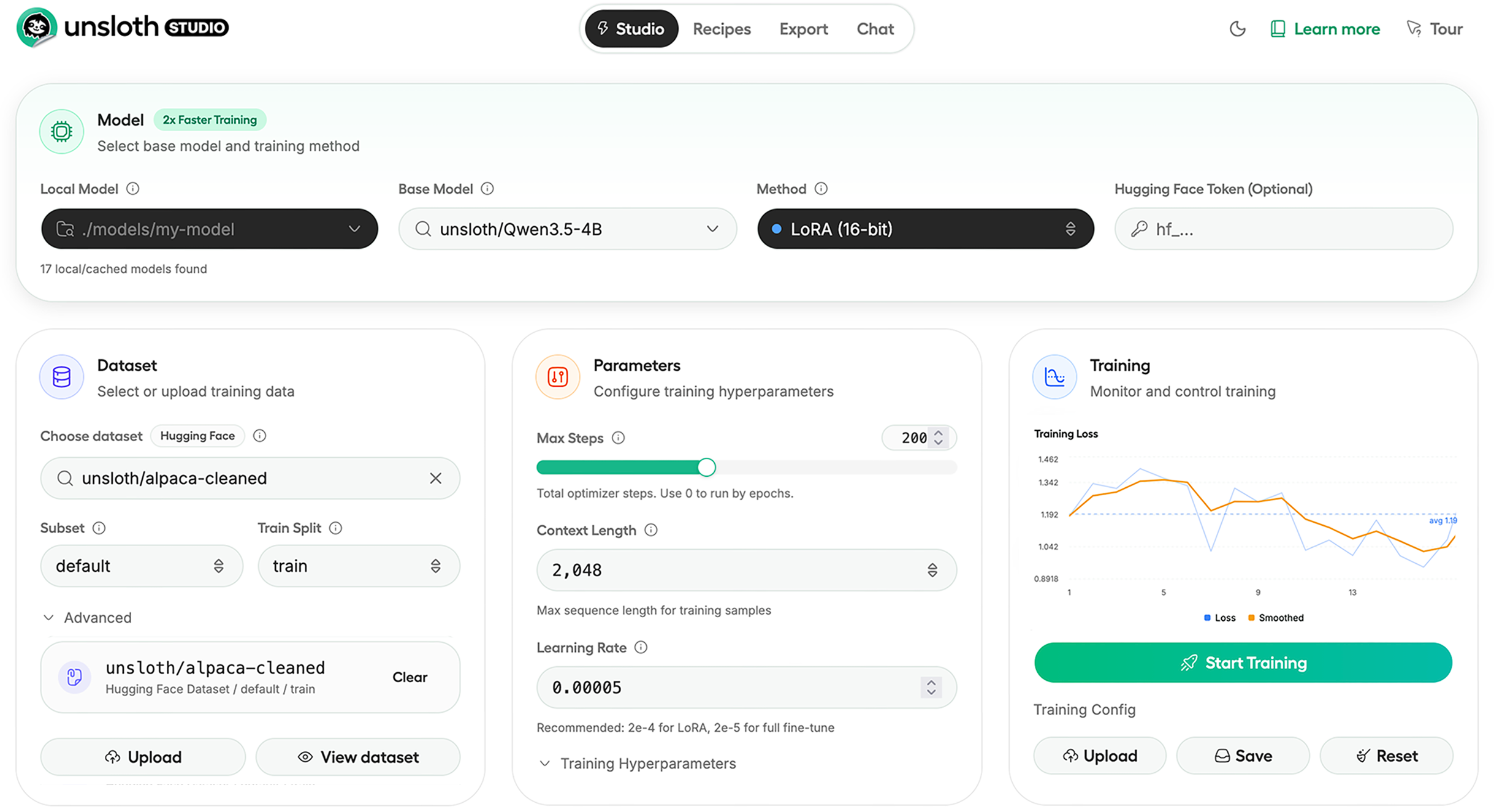
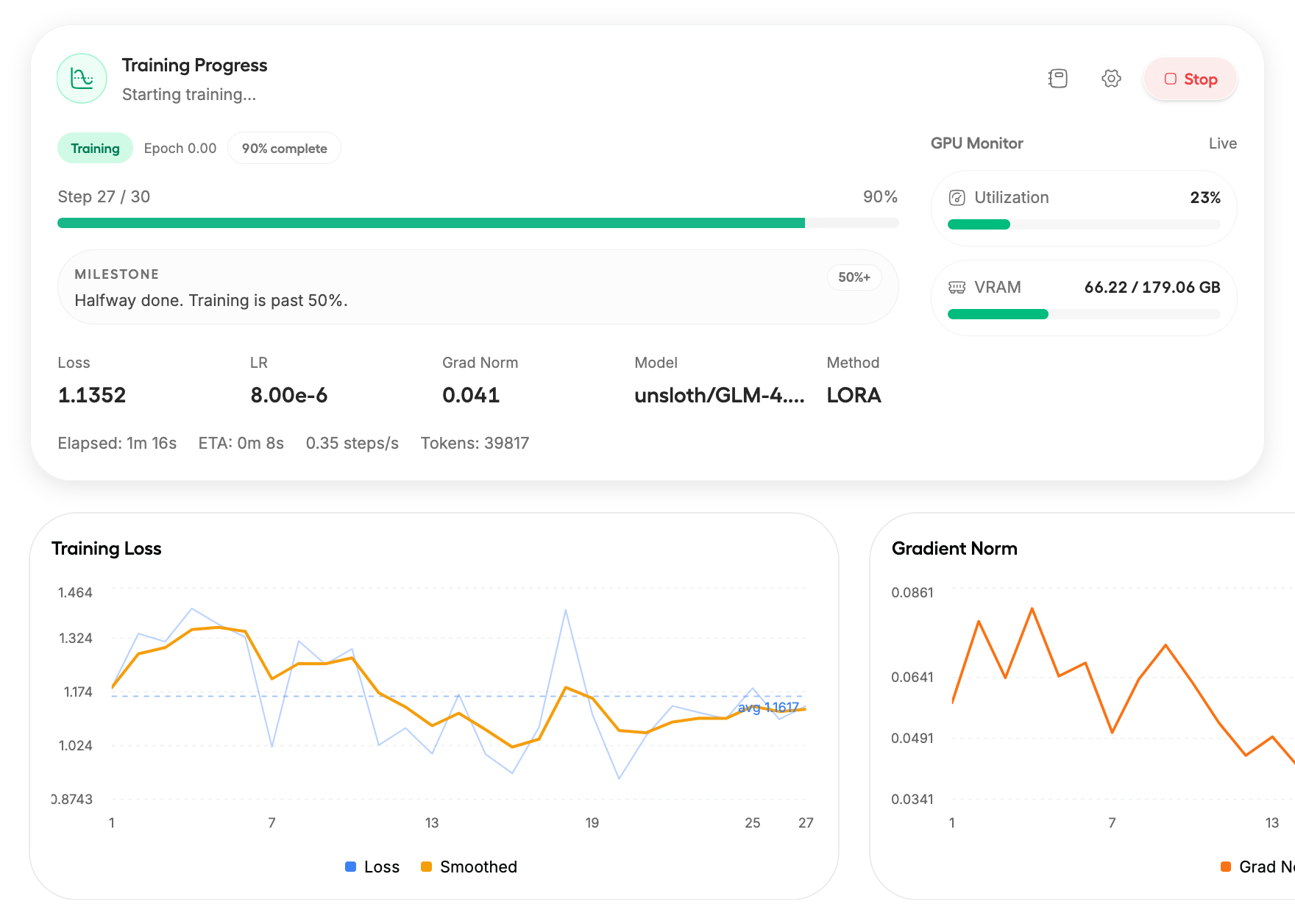
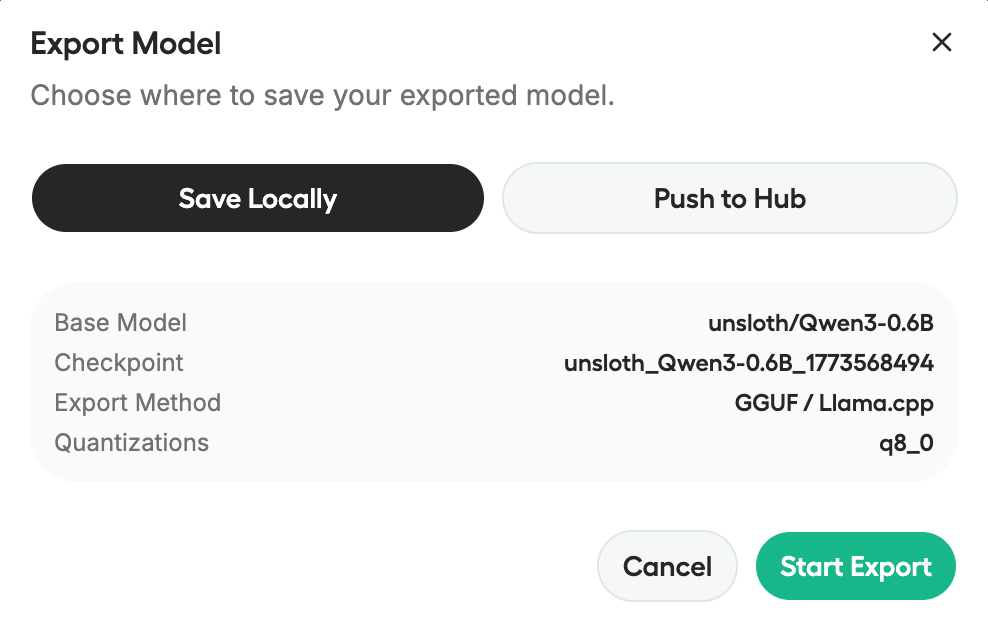
MLflow
No screenshots
Unsloth
MLflow
Unsloth
Going from 3B/7B dense to Nemotron 3 Nano (hybrid Mamba-MoE) for multi-task reasoning — what changes in the fine-tuning playbook? [D]
Following up on something I posted a few days back about fine-tuning for multi-task reasoning. Read a lot since then, and I've moved past the dense 3B vs 7B question — landing on Nemotron 3 Nano (the 30B-A3B hybrid Mamba-Attention-MoE NVIDIA released recently) instead. Architecture maps to the multi
MLflow
Shared (2)
Only in MLflow (1)