Unsloth and DAGsHub are both prominent MLOps tools with different focuses. Unsloth excels in providing a no-code interface for local model training and extensive model management, indicated by its 63,241 GitHub stars. DAGsHub is known for its seamless collaborative features and version control, backed by generally positive pricing sentiments and a supportive community. Each tool serves distinct user needs, particularly in model management versus collaboration and versioning.
Best for
Unsloth is the better choice when you need a robust local environment for customized MLOps processes, leveraging powerful hardware interfaces, and have a focus on model training and fine-tuning.
Best for
DAGsHub is the better choice when collaboration in machine learning projects across distributed teams is essential, with a strong need for version control and data annotation capabilities.
Key Differences
Verdict
For teams prioritizing robust local model training with a focus on privacy and performance, Unsloth stands out due to its extensive hardware support and no-code interface. In contrast, DAGsHub is ideal for data science teams that need an integrated platform for collaborative workflows and data version control, especially where cross-team collaboration is crucial. Both tools offer strong but distinct feature sets that can cater to different MLOps needs.
Unsloth
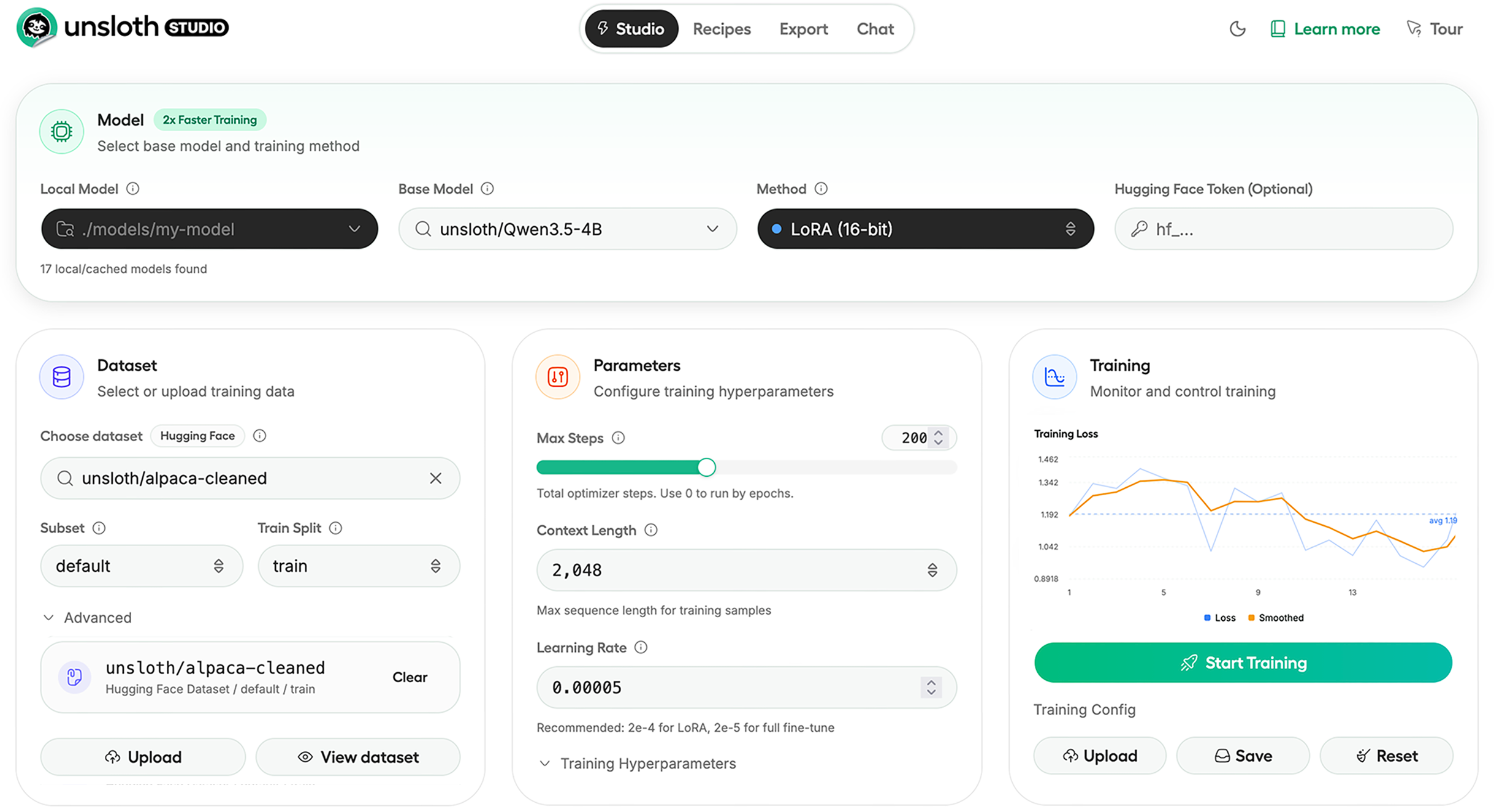
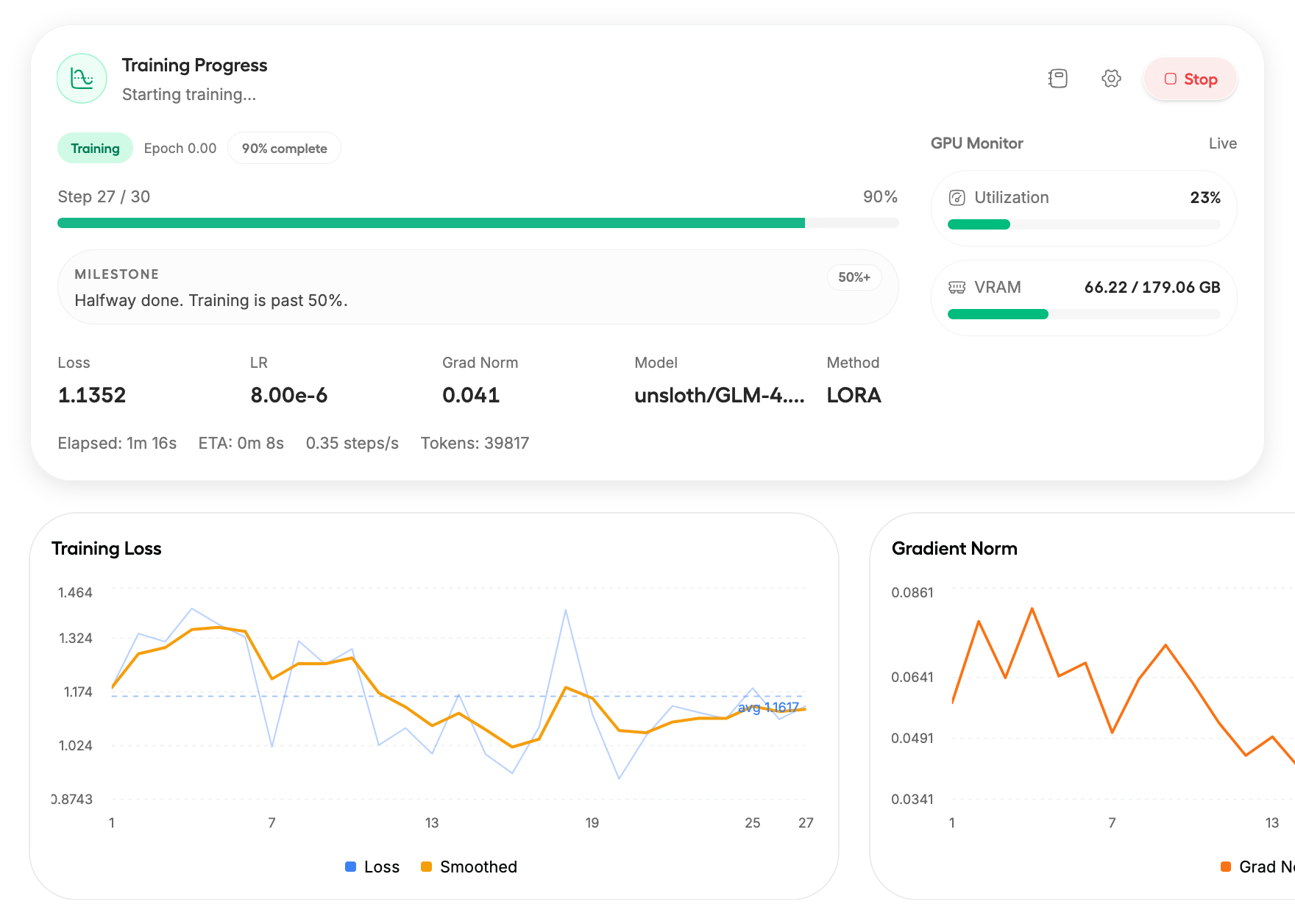
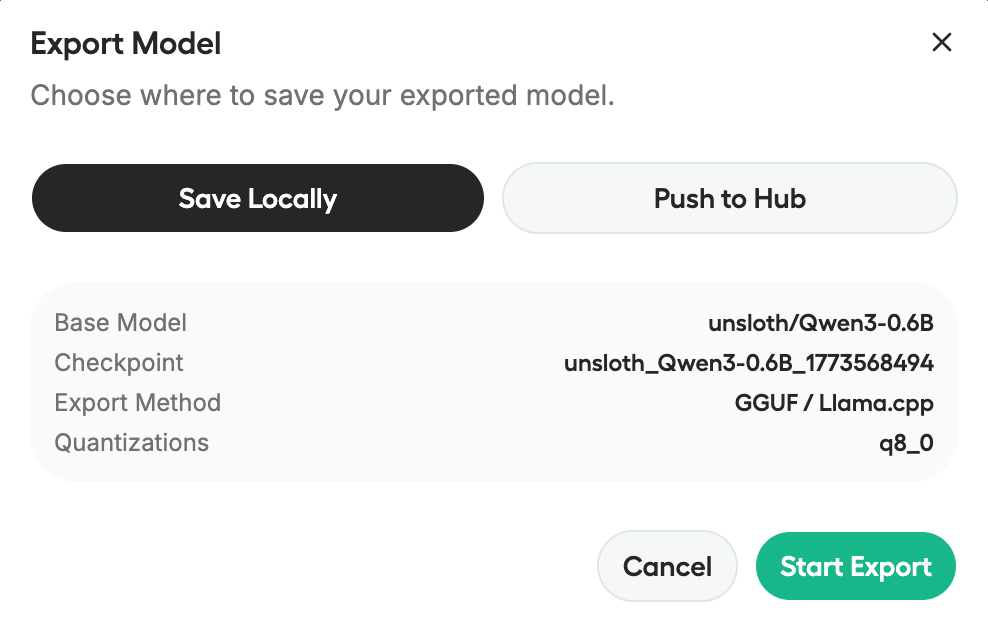
Unsloth is an open-source, no-code web UI for training, running and exporting open models in one unified local interface.
Reviews and social mentions of Unsloth suggest that its main strength lies in its integration capabilities and user-friendly interface, which attract positive feedback. However, there are few explicit user complaints or discussions about the software, indicating a potential gap in awareness or limited critical engagement among the existing user base. The lack of detailed user opinions on pricing sentiments makes it hard to assess the financial aspect, but overall, Unsloth appears to have a neutral to positive reputation largely due to its limited high-profile mentions.
DAGsHub
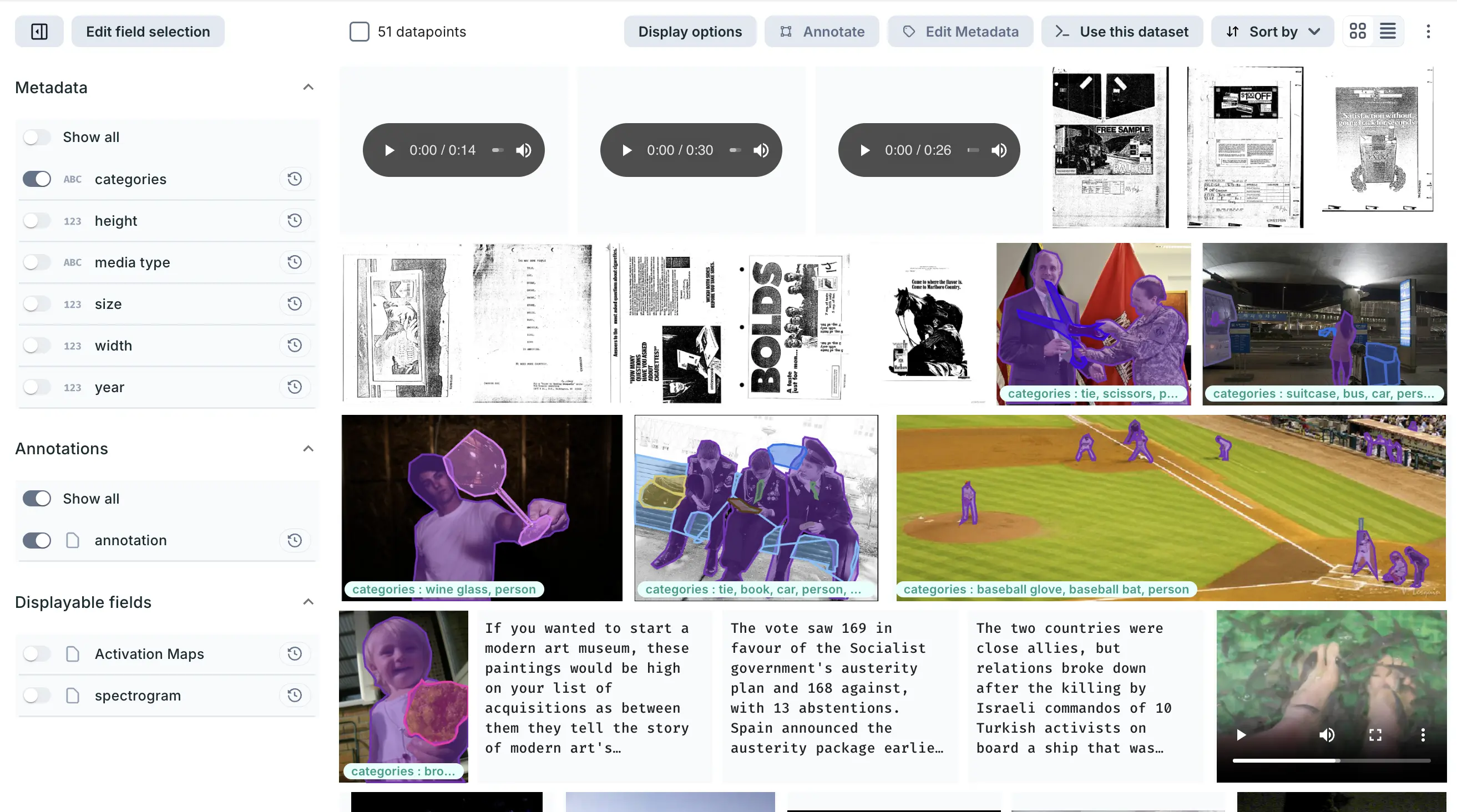
Curate and annotate vision, audio, and LLM datasets, track experiments, and manage models on a single platform
User feedback on DAGsHub highlights its strengths in seamless collaborative and version-controlled workflows for machine learning projects. Users appreciate its integration capabilities with popular data science tools and platforms. However, there are occasional mentions of a learning curve for new users, which can be a hurdle initially. Pricing sentiment is generally positive, with users feeling it's competitively priced for the features offered. Overall, DAGsHub enjoys a solid reputation as a robust and efficient platform for data science teams looking to streamline their ML operations.
Unsloth
-50% vs last weekDAGsHub
Stable week-over-weekUnsloth
DAGsHub
Unsloth
DAGsHub
Unsloth
DAGsHub
Pricing found: $0, $0, $119, $99
Unsloth (6)
DAGsHub (10)
Only in Unsloth (8)
Only in DAGsHub (10)
Shared (2)
Only in Unsloth (13)
Only in DAGsHub (13)
Unsloth
No complaints found
DAGsHub
Unsloth
No data
DAGsHub
Unsloth
No YouTube channel
DAGsHub
Unsloth

DAGsHub

Unsloth
DAGsHub
Shared (2)
Only in DAGsHub (2)
DAGsHub is better suited for collaborative model development due to its seamless integration with GitHub and team-oriented features.
DAGsHub offers a subscription-based model with a free tier, while Unsloth has a tiered structure with less transparent pricing details available.
Unsloth appears to have a more engaged community, as seen by its 63,241 GitHub stars, compared to DAGsHub's smaller but supportive community.
While both tools provide integrations with systems like TensorFlow and MLflow, they serve different use cases and using them together would depend on specific project requirements.
Unsloth may be easier for those focusing on local model training due to its no-code UI, whereas DAGsHub might have a learning curve for integration into existing collaborative workflows.


