OpenPipe
OpenPipe is highly praised for its robust fine-tuning capabilities, allowing users to create high-quality, customized models without lock-in limitations, which is a key strength highlighted by users. The tool's ability to export fine-tuned models and its integration of OpenAI and other models like GPT and Llama 2 are particularly appreciated. Users express enthusiasm for its competitive pricing, especially with the support for the newest and affordable models like GPT-3.5-0125. Overall, OpenPipe has a strong reputation for innovation and flexibility in AI model management, with positive anticipation for future updates and features.
Unsloth
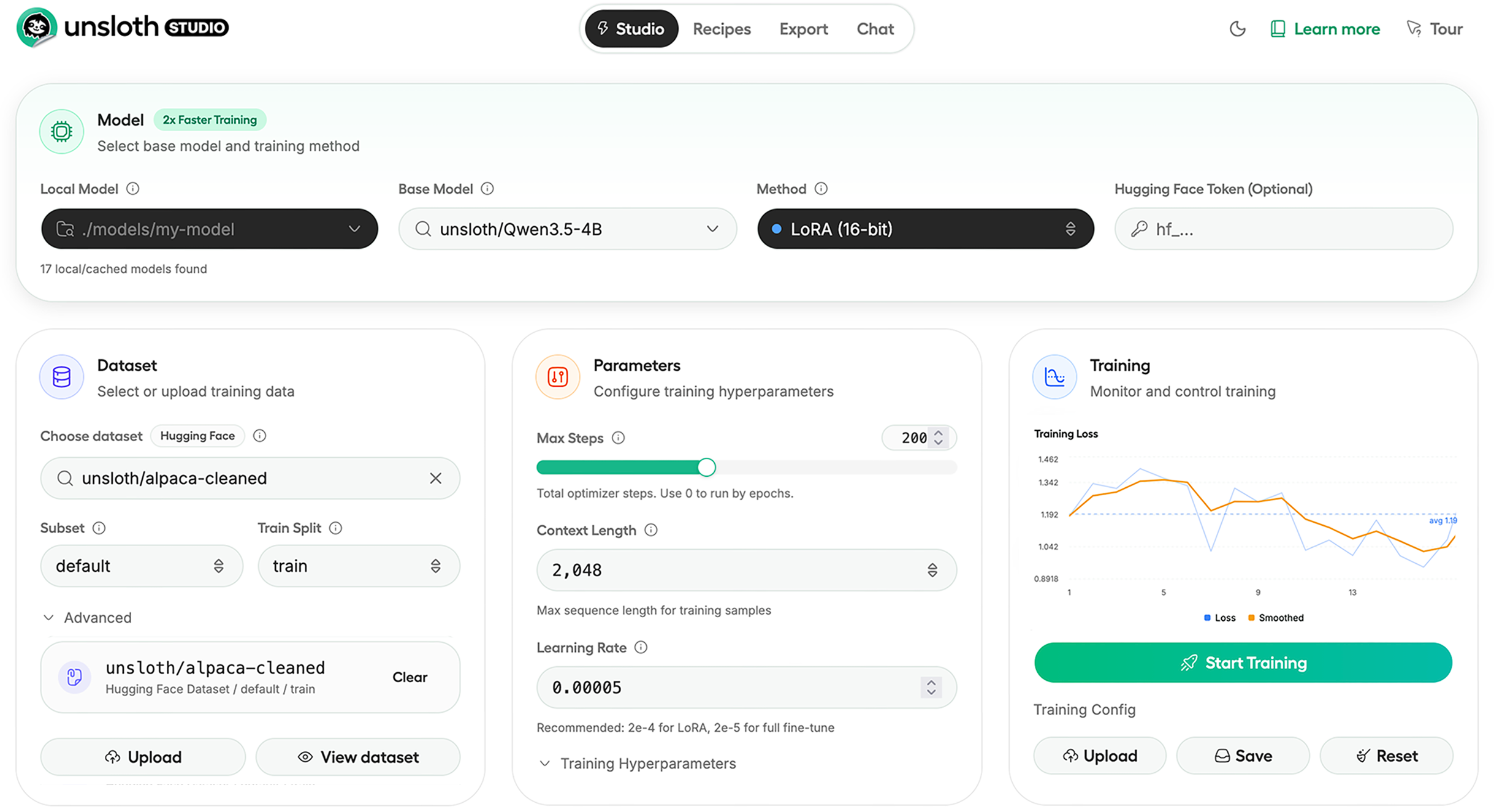
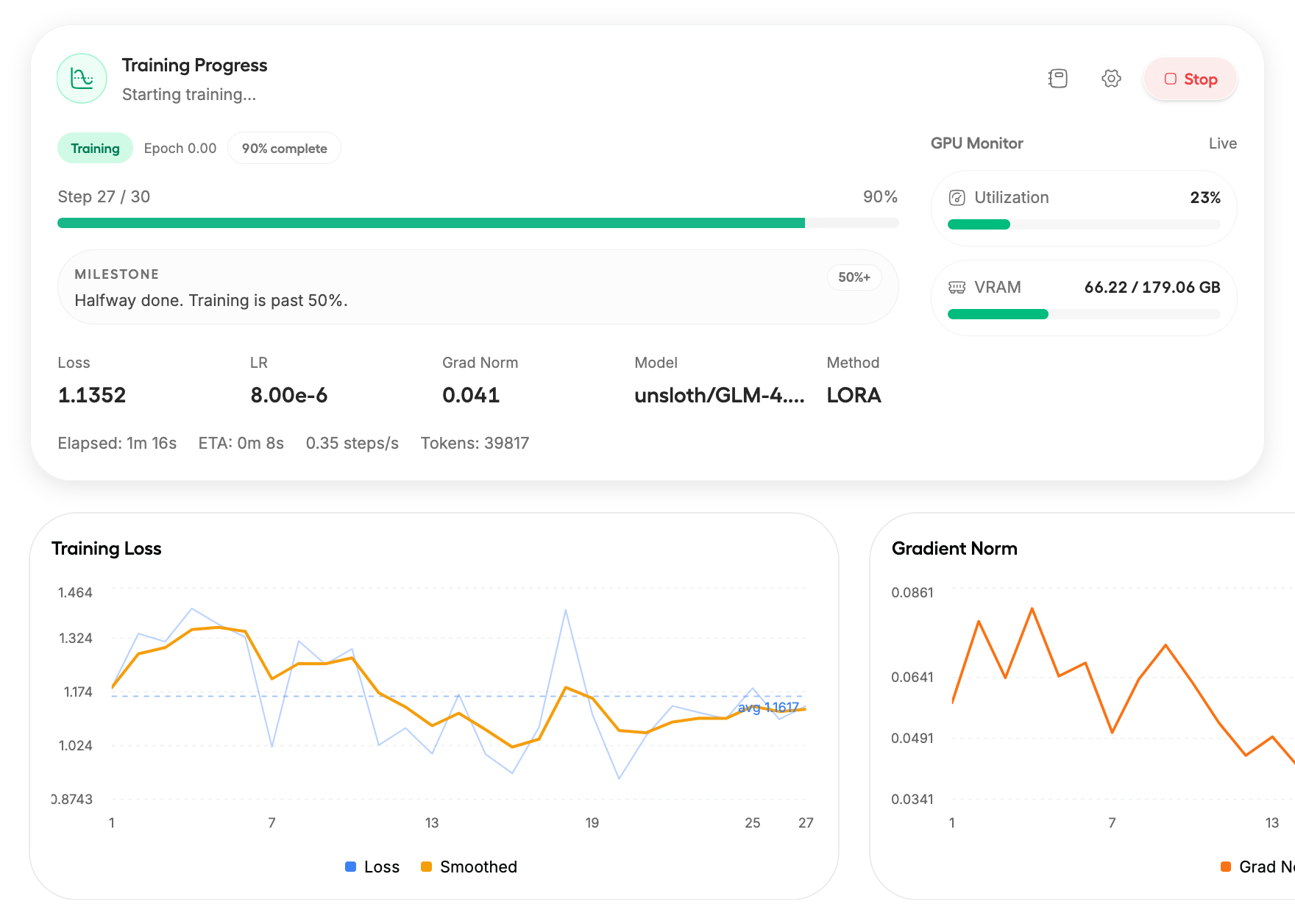
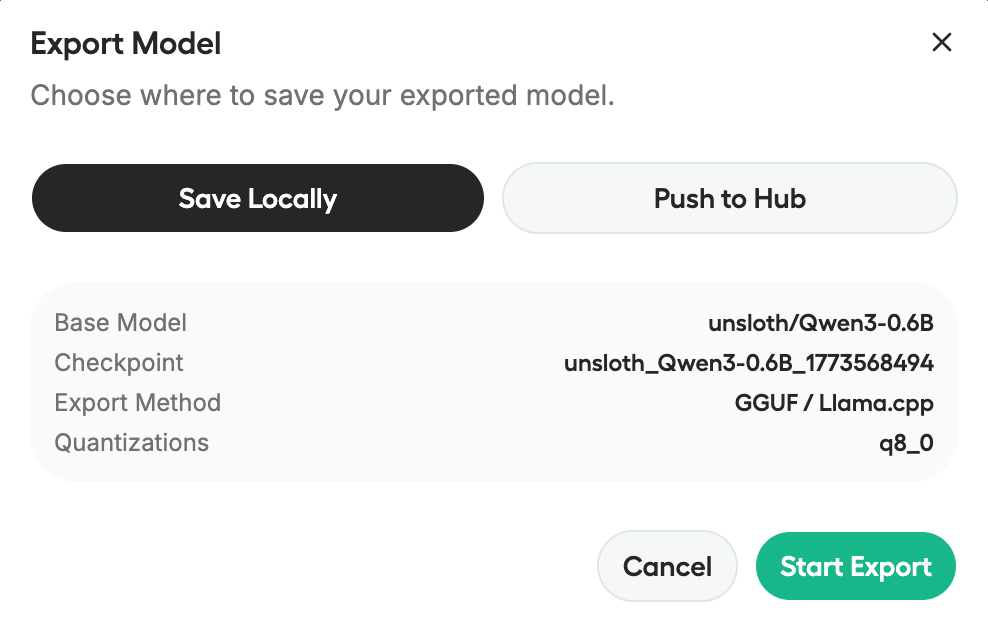
Unsloth is an open-source, no-code web UI for training, running and exporting open models in one unified local interface.
Reviews and social mentions of Unsloth suggest that its main strength lies in its integration capabilities and user-friendly interface, which attract positive feedback. However, there are few explicit user complaints or discussions about the software, indicating a potential gap in awareness or limited critical engagement among the existing user base. The lack of detailed user opinions on pricing sentiments makes it hard to assess the financial aspect, but overall, Unsloth appears to have a neutral to positive reputation largely due to its limited high-profile mentions.
OpenPipe
+100% vs last weekUnsloth
Stable week-over-weekOpenPipe
Unsloth
OpenPipe
Unsloth
OpenPipe
Unsloth
OpenPipe (8)
Unsloth (6)
Only in OpenPipe (8)
Only in Unsloth (8)
Shared (6)
Only in OpenPipe (9)
Only in Unsloth (9)
OpenPipe
Unsloth
No complaints found
OpenPipe
Unsloth
No data
OpenPipe
No screenshots
Unsloth

OpenPipe
Unsloth
OpenPipe
My Claude Code morning setup. 8 minutes. Cuts 2 hours of friction. What am I missing?
tutorial-ish but please tell me what I'm doing wrong because I think this is still suboptimal. every morning before I start work I run an 8 minute setup in claude code. it cuts about 2 hours of friction across the day. here's the actual sequence. step 1: cd into the active repo step 2: /resume t
Unsloth
Going from 3B/7B dense to Nemotron 3 Nano (hybrid Mamba-MoE) for multi-task reasoning — what changes in the fine-tuning playbook? [D]
Following up on something I posted a few days back about fine-tuning for multi-task reasoning. Read a lot since then, and I've moved past the dense 3B vs 7B question — landing on Nemotron 3 Nano (the 30B-A3B hybrid Mamba-Attention-MoE NVIDIA released recently) instead. Architecture maps to the multi
Only in Unsloth (2)


