DAGsHub and MLflow both target the MLOps space but cater to slightly different needs. DAGsHub excels in collaborative version control and integration with popular data science tools, appealing to teams looking for streamlined workflows. MLflow, on the other hand, is noted for its expansive community presence, evidenced by 25,524 GitHub stars, and strong lifecycle management capabilities, yet lacks direct user reviews in this dataset.
Best for
MLflow is the better choice when organizations require comprehensive lifecycle management with open-source flexibility, and seek robust integration with CI/CD pipelines and platforms like Apache Spark.
Best for
DAGsHub is the better choice when teams need integrated data versioning and collaborative tools for seamless machine learning workflows, especially in organizations that prioritize GitHub integration.
Key Differences
Verdict
Choosing between DAGsHub and MLflow hinges on specific project and team needs. DAGsHub offers more in-platform collaboration and version control features ideal for data-centric projects. Meanwhile, MLflow provides a robust, open-source option for lifecycle management, suitable for teams leveraging complex, cloud-based CI/CD pipelines. Teams should assess their need for collaboration versus lifecycle management to make the best decision.
MLflow
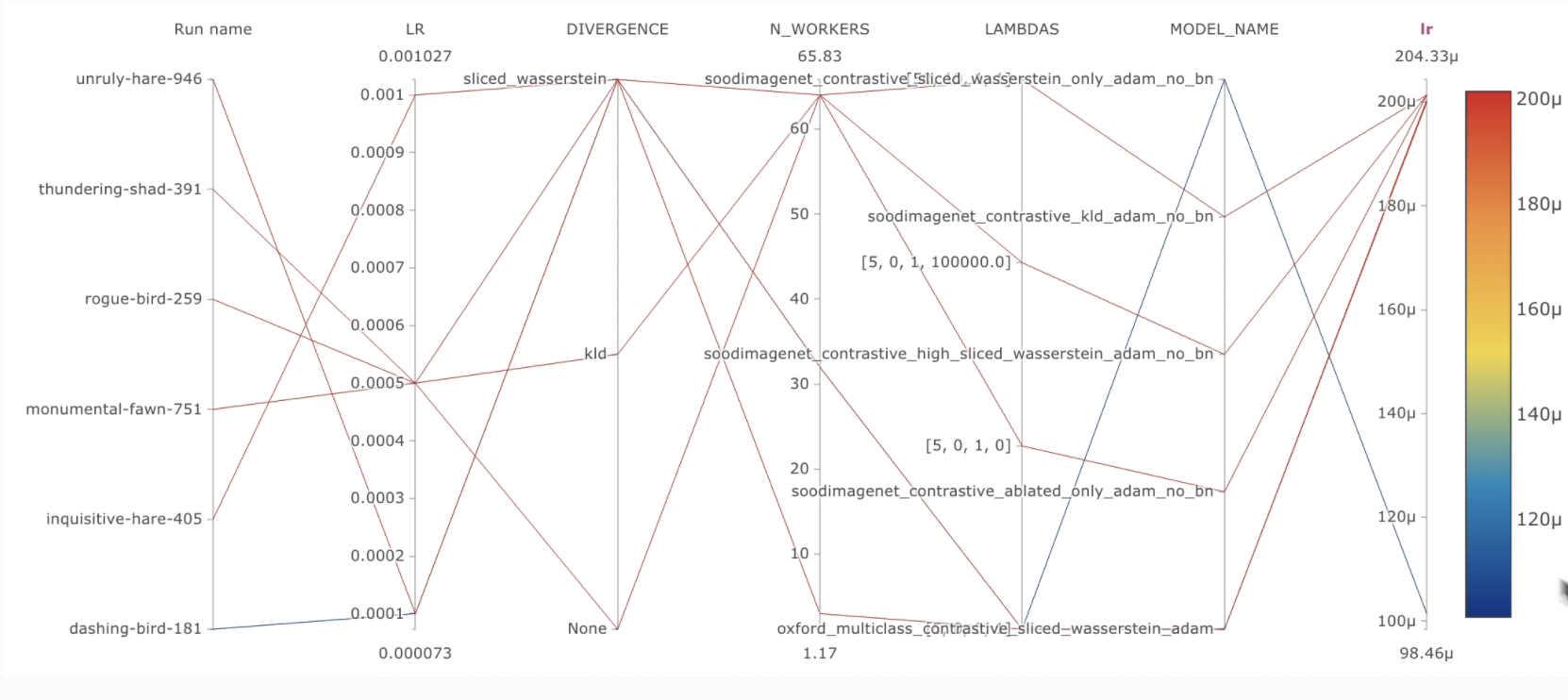
100% open source under Apache 2.0 license. Forever free, no strings attached.
MLflow is praised for its comprehensive suite of features that facilitate the machine learning lifecycle, including experimentation, reproducibility, and deployment. Users appreciate its seamless integration with various tools and platforms, which enhances workflow efficiency. However, some users note that the setup can be complex for beginners or those without a strong technical background. Overall pricing sentiment is neutral, as users often benefit from its open-source nature despite potential costs when utilizing it within certain cloud-based platforms. The tool holds a strong reputation, particularly within the data science and machine learning communities, as an essential tool for managing ML projects.
DAGsHub
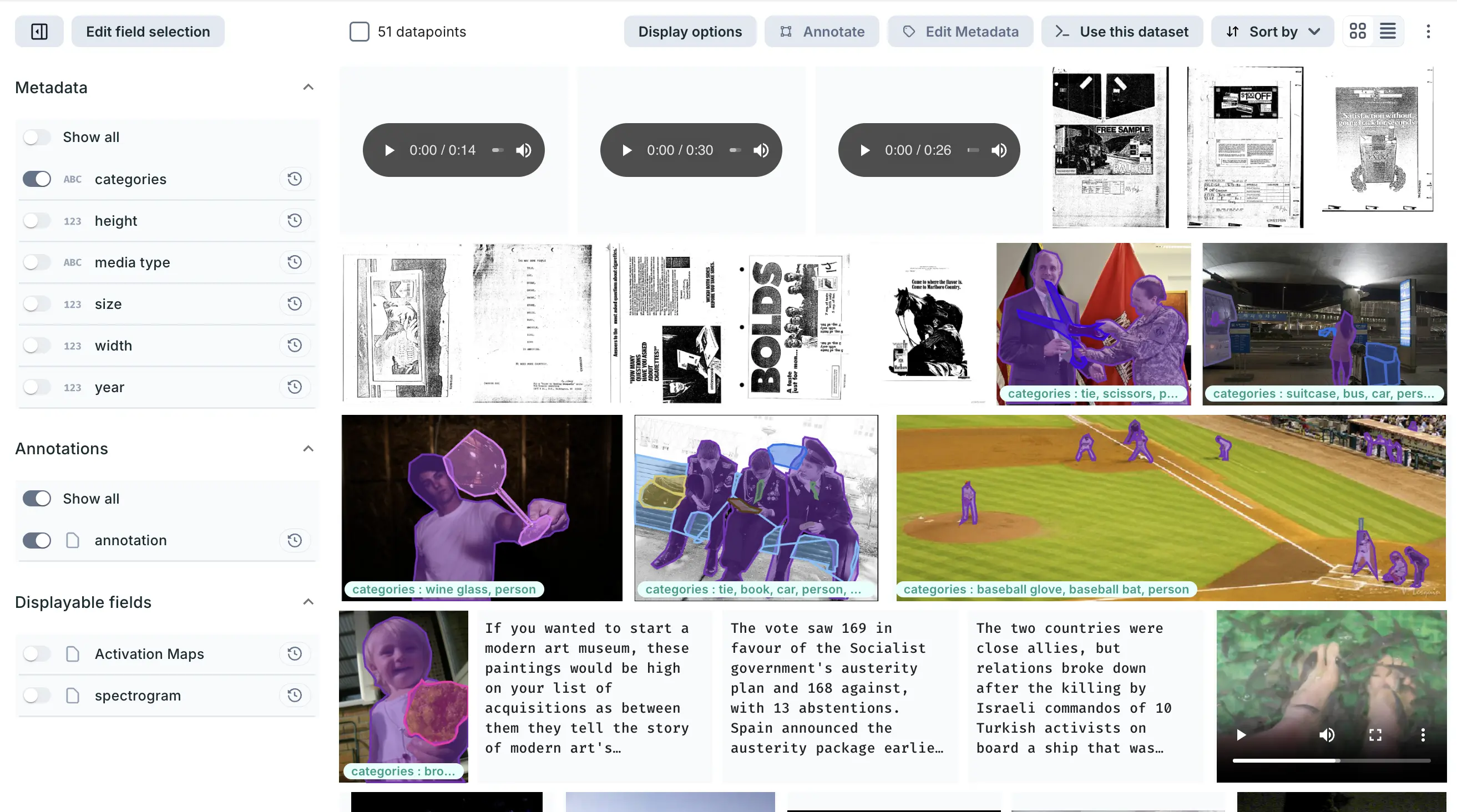
Curate and annotate vision, audio, and LLM datasets, track experiments, and manage models on a single platform
User feedback on DAGsHub highlights its strengths in seamless collaborative and version-controlled workflows for machine learning projects. Users appreciate its integration capabilities with popular data science tools and platforms. However, there are occasional mentions of a learning curve for new users, which can be a hurdle initially. Pricing sentiment is generally positive, with users feeling it's competitively priced for the features offered. Overall, DAGsHub enjoys a solid reputation as a robust and efficient platform for data science teams looking to streamline their ML operations.
MLflow
Stable week-over-weekDAGsHub
Stable week-over-weekMLflow
DAGsHub
MLflow
DAGsHub
MLflow
DAGsHub
Pricing found: $0, $0, $119, $99
MLflow (8)
DAGsHub (10)
Only in MLflow (10)
Only in DAGsHub (10)
Shared (4)
Only in MLflow (11)
Only in DAGsHub (11)
MLflow
No complaints found
DAGsHub
MLflow
No data
DAGsHub
MLflow
DAGsHub
MLflow
No screenshots
DAGsHub

MLflow
DAGsHub
Shared (3)
Only in DAGsHub (1)
For seamless collaboration and version control, DAGsHub is preferable. For lifecycle management and CI/CD integration, MLflow is more suitable.
DAGsHub offers tiered pricing with specific low-cost entry points, whereas MLflow is free under Apache 2.0, though details on extended capabilities pricing are unclear.
MLflow likely has better community support, evidenced by 25,524 GitHub stars, indicating a larger, active community.
Yes, both can be integrated for complementary use, leveraging DAGsHub's version control with MLflow's lifecycle management.
MLflow might be easier to start with due to its open-source resources, whereas DAGsHub may have a steeper initial learning curve.