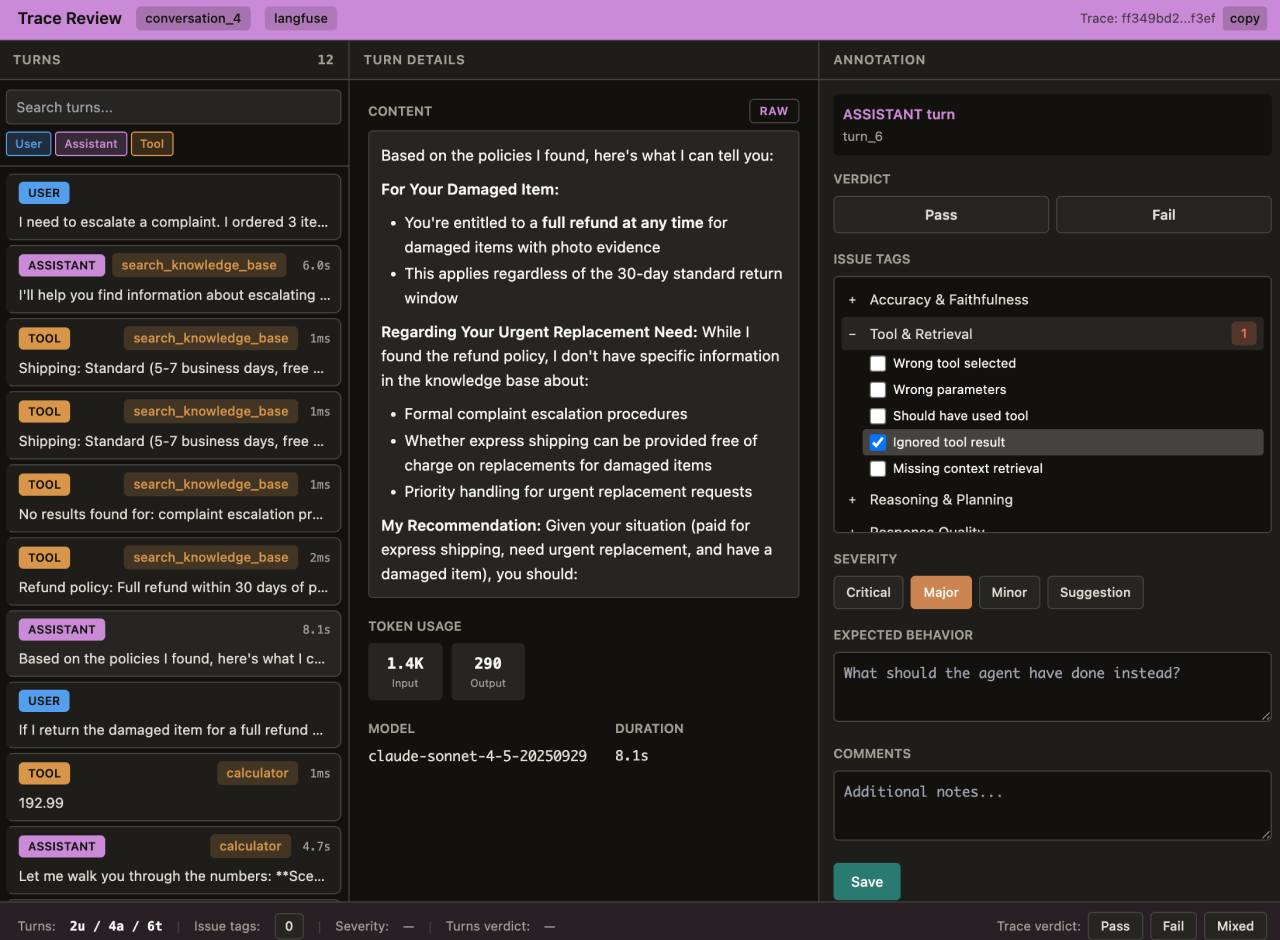
Multi-modal data labeling and annotation platform for agent traces, LLM evals, RLHF, computer vision, document AI, NLP, audio transcription, and more.
Label Studio is praised for its robust features and versatility in handling various data labeling tasks, which makes it popular among developers and data scientists. However, some users express dissatisfaction with occasional bugs and a learning curve for new users. The tool is generally perceived as offering good value for its features, though detailed sentiment on pricing is sparse. Overall, Label Studio enjoys a solid reputation as a reliable tool for effective data annotation.
Mentions (30d)
4
1 this week
Reviews
0
Platforms
2
GitHub Stars
26,922
3,464 forks
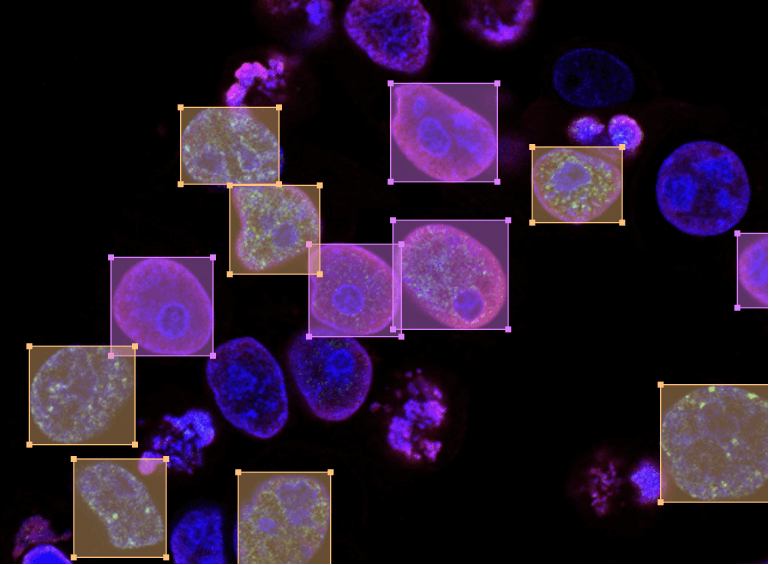
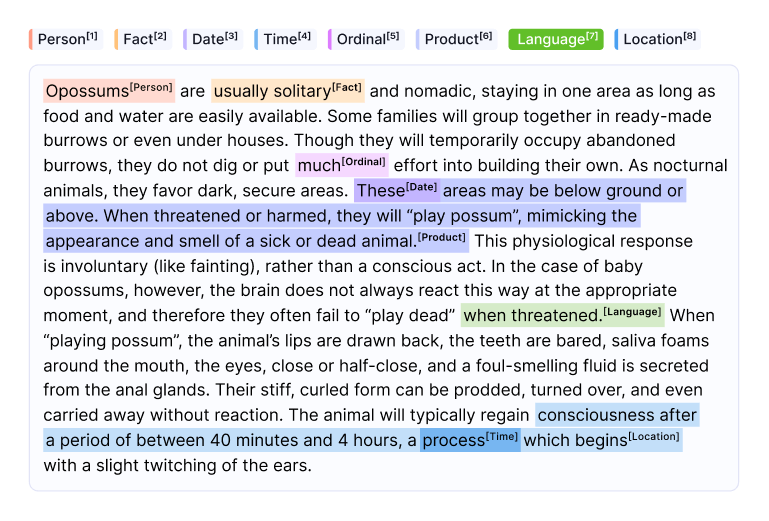
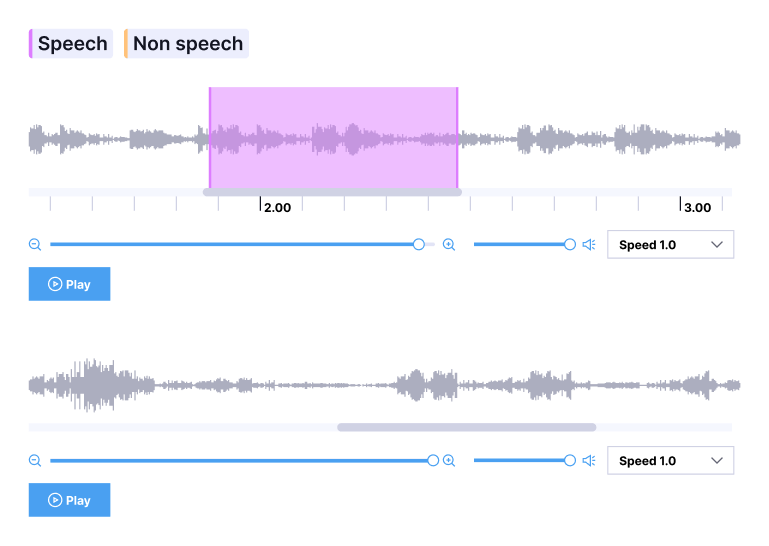
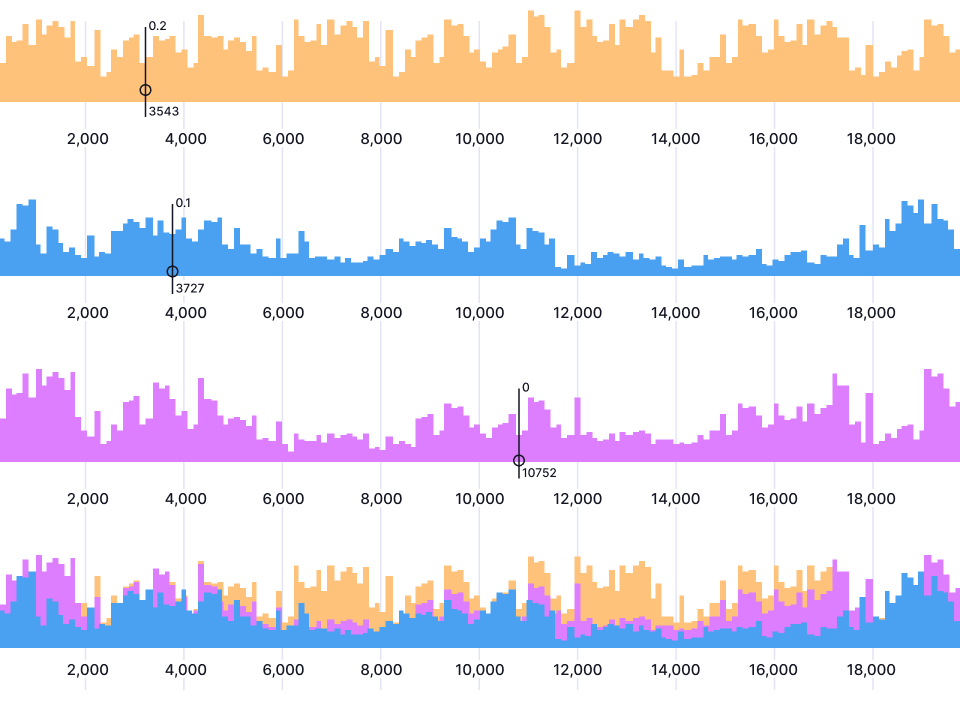
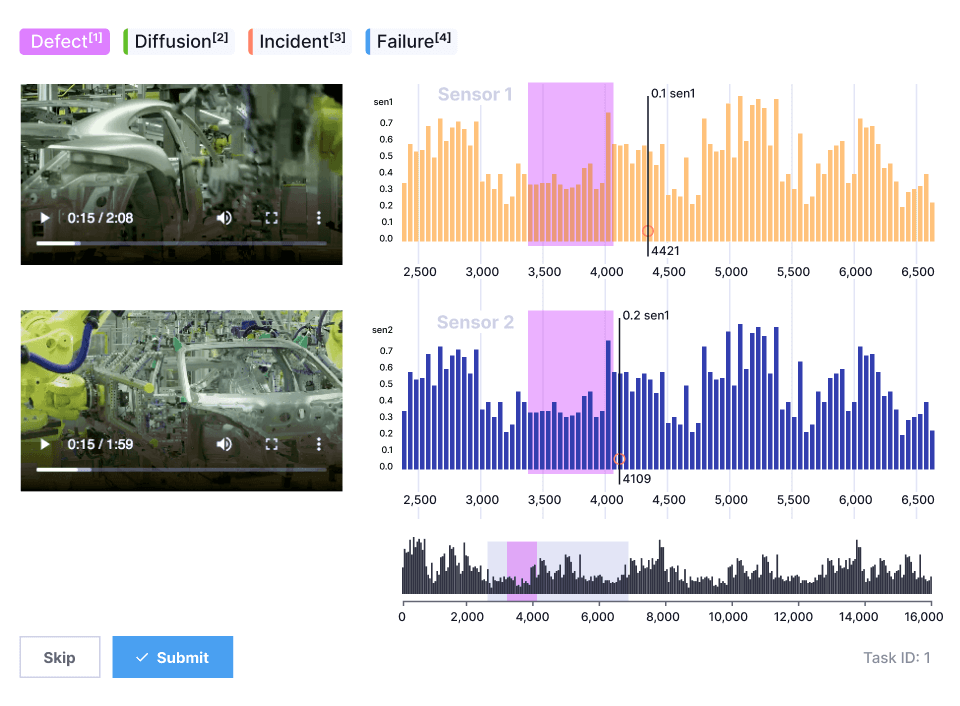

Label Studio is praised for its robust features and versatility in handling various data labeling tasks, which makes it popular among developers and data scientists. However, some users express dissatisfaction with occasional bugs and a learning curve for new users. The tool is generally perceived as offering good value for its features, though detailed sentiment on pricing is sparse. Overall, Label Studio enjoys a solid reputation as a reliable tool for effective data annotation.
Features
Use Cases
Industry
graphic design
828
GitHub followers
50
GitHub repos
26,922
GitHub stars
7
npm packages
2
HuggingFace models
claurdvoyant -- mcp for reading other agents' minds
hey y'all built this tool today with 4.8 after one of my friends made a complaint that transcripts are trapped inside harnesses. so i built it out a fair bit... at its core it's just an (un)parser (i think of it as the "AI Harness Omniparser", "pandoc for sessions" is another way maybe) but i couldn't help myself from sprinkling in a desktop/web app some niceties. contributions are extremely welcome! fully open source, built in rust, kinda tasteful https://github.com/emberian/claurdvoyant here's what claude had to say in the readme: 🧵 Splice & loom — compose a new session from spans of others (cv splice A:0-12 B:6-), or fork-and-graft a branch and generate its continuation with an LLM (cv loom … --generate). Works via OpenRouter / Anthropic / LM Studio (free, local, offline). Loom agent transcripts like a Janus loom, across any harness. 🧠 Distill — cv distill turns a session into a durable MEMORY.md digest (decisions, gotchas, where things live). Your archive compounds instead of rotting. 🔮 Recall — semantic "have I solved this before?" — as a cv recall command and an MCP tool that hands a running agent the relevant past span. 🔒 Redact — cv redact scrubs secrets/PII so a transcript is safe to share. 📣 Coordination board — agents post status, hand off work, and grab tasks with a distributed lock (board_claim) so a fleet never duplicates effort. await_omen blocks until a session matches a regex. 🖥️ Desktop app + 🌐 web viewer — the Tauri app reads all your local sessions natively (zero setup) and lays the corpus out beautifully: a Projects lens — every repo, every agent that touched it, over time; a GitHub-style activity heatmap timeline (a constellation of your working days); side-by-side Compare, a Stats dashboard, a visual loom composer (OpenRouter or free local LM Studio generation), and a live fleet dashboard; sub-agent trees — a Claude Task session's children, nested and lazy-loaded inline, each labeled with its task prompt. submitted by /u/cmrx64 [link] [comments]
View originalWhat Rick Rubin teaches us about Claude Code
The first album I ever bought at Tower Records was Californication by Red Hot Chili Peppers. 1999. I was a small kid, there was a deal, I walked out with it. That little record sold 15 million copies. One of the best albums ever recorded. The guy who produced it is a likable dude with a giant beard who looks like Santa Claus. His name is Rick Rubin. Same Rick Rubin produced Toxicity by System of a Down. About 12 million copies. #1 on Billboard on day one, for a bunch of angry self-unaware Armenians with a crate of charisma. And Reign in Blood by Slayer. And the Johnny Cash comeback that won 5 Grammys. And LL Cool J. And the Beastie Boys. And Adele. And Jay-Z. And Eminem. 40 years. Rap, metal, country, pop, rock. Zero connection between these artists. Zero. Except him. Three things about Rick Rubin, and why this is the most important story of 2026: (1) He started in 1984. Young guy in his NYU dorm. Room 712. He and Russell Simmons started a label out of that room. Def Jam. First record they put out was LL Cool J. A rising rapper in the cheerful 80s. Two years later, same kid from the same room produces Reign in Blood by Slayer. One of the most important metal albums ever made. Not my taste, but the dissonance from rap to metal — and the fact that he just knows how to produce anyone, regardless of genre — that's a serious recurring motif. Rick Rubin has a taste that's good. (2) 1991. He produces Blood Sugar Sex Magik. Legend says the Chili Peppers were a pile of junkies in a rehearsal room. Done people. Singing about shooting heroin under a bridge. He produced them, gave them confidence in their own work, and the band from California started exploding. He takes Johnny Cash, who everyone had forgotten. Country singer who lost everything to addiction. Brings him back to life across four albums. 5 Grammys. Not a small thing. 1999, Californication. 2001, System of a Down. He takes a bunch of strange Armenians, amplifies the strangeness instead of softening it, and turns them into a household name in global metal. (3) Here's the thing. Rick Rubin can't play any instrument. He's not a sound engineer. He doesn't operate Pro Tools. He sits in the studio. He listens. He says "this isn't good." That's it. In 2023, 60 Minutes asked him how he makes a living. He said: "They pay me for the confidence I have in my taste." He's since become a meme in the vibe coding community. We're in 2026 and there's an endless argument about whether Claude Code will replace startups. Whether agents will replace programmers. It's an argument about the tool. Not about the most human thing there is — taste. The mixing console didn't make people producers. Pro Tools didn't make people producers. A $2M studio didn't make people producers. Rick Rubin made people stars. Meaning Rick Rubin's taste did. He knew how to listen, and with great confidence say "this is good, this is not." He understood the sensitive human soul that wants to create, and knew how to pull it out of someone. The man has talent at "it." And "it" is what you need. Claude Code is the tool. As long as you don't know what you want, it'll hand you something average that burns your time and your energy. You need to be a producer with good taste. How do you do that? Take everything you did well in your career, in your work, in your craft — and copy it into Claude. Transfer your taste (and I think everyone has good taste if they're connected enough to themselves) into the software, and watch yourself ship amazing things at scale. That's how I write some of my own posts. That's the whole story. submitted by /u/YuvalKe [link] [comments]
View originalA Claude Code mobile app studio for solo builders
submitted by /u/Embarrassed_Will_120 [link] [comments]
View originalTested GPT Image 2 on 5 hard prompts — manga panels with kanji, restaurant menus, product labels. Here's what I got.
OpenAI dropped GPT Image 2 today and I immediately ran it through 4 prompts designed to expose where AI image models usually fall apart: text rendering, multi-panel consistency, and detailed typography. Here's what I generated and the exact prompts I used: Image 1 — Restaurant Menu (text rendering stress test) Result: Every single item name and price rendered correctly. Zero misspellings. This used to be completely impossible with diffusion models. Image 2 — Manga Page with Japanese Kanji (multi-panel + foreign script) Result: All 4 panels rendered with correct layout, proper manga style, and the Japanese text is actually accurate. Panel-to-panel character consistency held up too. Image 3 — Premium Product Label (commercial packaging) Result: Every line of label text came out clean and correctly spelled. The bottle looks commercially viable — I'd genuinely put this in a product mock-up deck. Image 4 — Retro Anachronism / Period Photo (complex text on surfaces) Result: "NEURAL NET v2.0" and "GPT IMAGE 2 ARCHITECTURE" both readable on the chalkboard. The period photography look is convincing too. My take: The text rendering jump is real and significant. I'm not saying it's perfect on every prompt — but for the kinds of prompts that used to reliably produce gibberish, it's performing at a completely different level than DALL-E 3 or SD. The model is available via API (gpt-image-2) and I've also added it to PhotoGen Studio if you want to try it without writing any code — it's 3 credits per image at 2K resolution. Happy to answer questions on the prompts or share more tests. Note: All images were generated using GPT-Image 2 via the PhotoGen Studio interface. submitted by /u/Artistic-Dealer2633 [link] [comments]
View originalGPT IMAGE 2 is superb😋
😳 here is the prompt Freeform fashion-editorial collage of me in 8 distinct full-body summer outfits, arranged organically on a clean cream studio background. Keep my face consistent across all 8 looks, and make my proportions read around 5'10" tall without mentioning height in the text. Add neat handwritten arrows and labels for the key clothing pieces. No grid, border, or boxed panels. Keep all 8 full-body figures at the same visual scale and camera distance. Arrange them in a balanced two-row layout. Use a portrait 2:3 composition. submitted by /u/Revolutionary-Hippo1 [link] [comments]
View originalRepository Audit Available
Deep analysis of HumanSignal/label-studio — architecture, costs, security, dependencies & more
Label Studio uses a tiered pricing model. Visit their website for current pricing details.
Key features include: Agentic Traces, RLHF Fine-Tuning, LLM Evaluations, RAG Retrieval QA, Image Classification, Object Detection, Object Tracking, Semantic Segmentation.
Label Studio is commonly used for: Speaker Diarization, Emotion Recognition.
Label Studio integrates with: AWS S3 for data storage, Google Cloud Storage for easy access to datasets, Microsoft Azure for cloud computing capabilities, Slack for team collaboration and notifications, Trello for project management and task tracking, Jira for issue tracking and agile project management, GitHub for version control and collaboration on code, Zapier for automating workflows between apps, TensorFlow for model building and training, PyTorch for deep learning model development.
Label Studio has a public GitHub repository with 26,922 stars.

Building A Labeling Config in Label Studio Enterprise
Feb 26, 2026