DAGsHub excels in collaborative workflows for data science projects with easy integration into existing data platforms, while Kubeflow shines in orchestrating large-scale ML workflows on Kubernetes. DAGsHub has a more approachable pricing structure compared to Kubeflow's less-defined tiered system.
Best for
Kubeflow is the better choice when organizations need to deploy and manage complex machine learning workflows at scale in Kubernetes environments.
Best for
DAGsHub is the better choice when data science teams need a tool for seamless version control and experiment tracking integrated with common data science tools like GitHub and Jupyter Notebooks.
Key Differences
Verdict
For teams focused on collaborative data science projects with a need for robust version control and experiment tracking, DAGsHub offers an efficient and cost-effective solution. In contrast, organizations aiming for large-scale deployment of ML workflows in Kubernetes environments should consider Kubeflow for its powerful orchestration capabilities. The choice should align with your team's technical expertise and project scale.
Kubeflow
Kubeflow makes deployment of ML Workflows on Kubernetes straightforward and automated
Kubeflow receives praise for its robust capabilities in streamlining machine learning workflows and its seamless integration with Kubernetes. Users appreciate the scalability and flexibility it offers, particularly for managing complex ML projects. However, some critiques highlight a steep learning curve and occasional challenges in configuration and deployment. While pricing details are not commonly discussed, Kubeflow maintains a generally positive reputation as a comprehensive, albeit complex, solution for ML operations.
DAGsHub
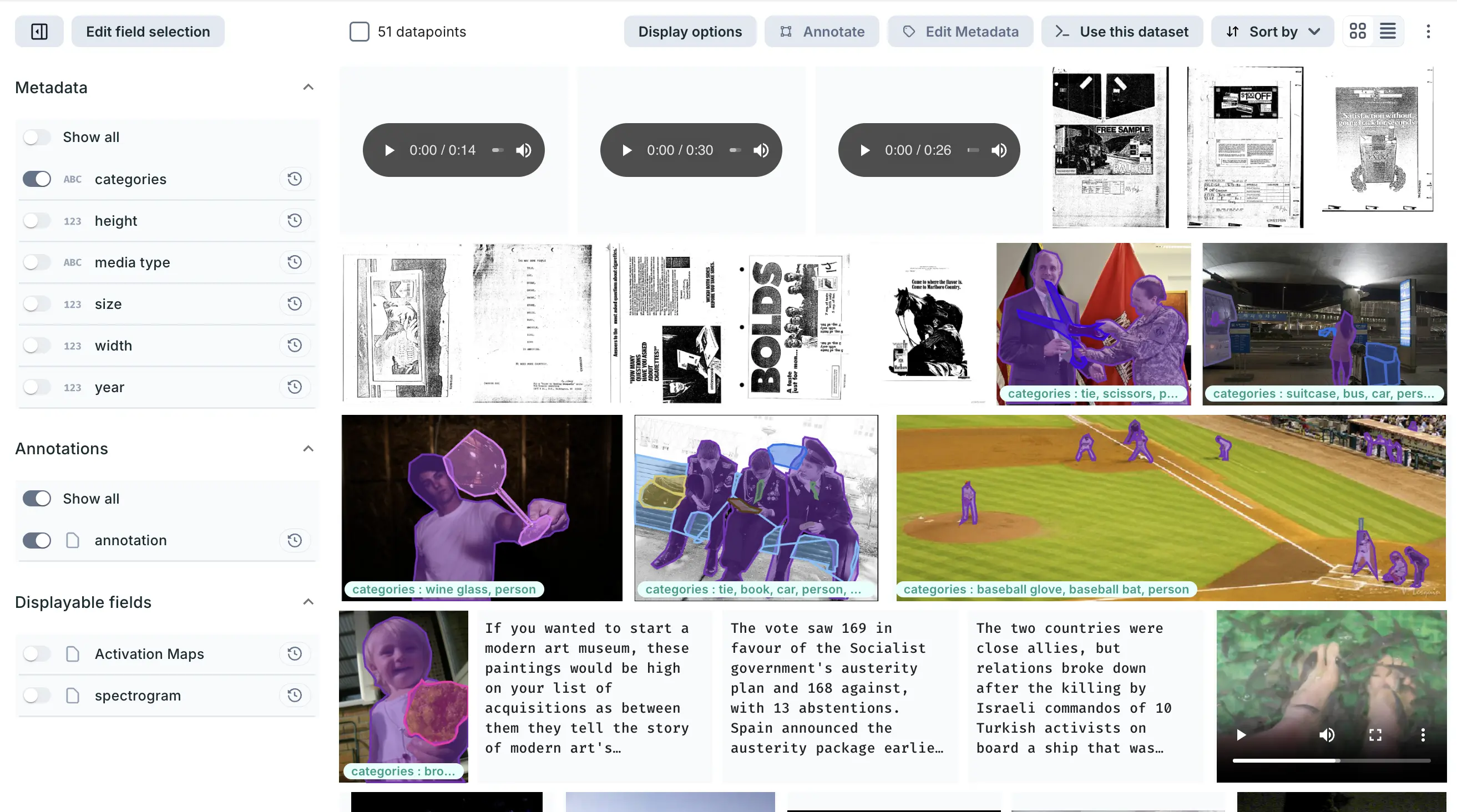
Curate and annotate vision, audio, and LLM datasets, track experiments, and manage models on a single platform
User feedback on DAGsHub highlights its strengths in seamless collaborative and version-controlled workflows for machine learning projects. Users appreciate its integration capabilities with popular data science tools and platforms. However, there are occasional mentions of a learning curve for new users, which can be a hurdle initially. Pricing sentiment is generally positive, with users feeling it's competitively priced for the features offered. Overall, DAGsHub enjoys a solid reputation as a robust and efficient platform for data science teams looking to streamline their ML operations.
Kubeflow
Not enough dataDAGsHub
Stable week-over-weekKubeflow
DAGsHub
Kubeflow
DAGsHub
Kubeflow
DAGsHub
Pricing found: $0, $0, $119, $99
Kubeflow (8)
DAGsHub (10)
Only in Kubeflow (8)
Only in DAGsHub (10)
Shared (3)
Only in Kubeflow (12)
Only in DAGsHub (12)
Kubeflow
No complaints found
DAGsHub
Kubeflow
No data
DAGsHub
Kubeflow
DAGsHub
Kubeflow
DAGsHub

Kubeflow
DAGsHub
Shared (3)
Only in Kubeflow (1)
Only in DAGsHub (1)
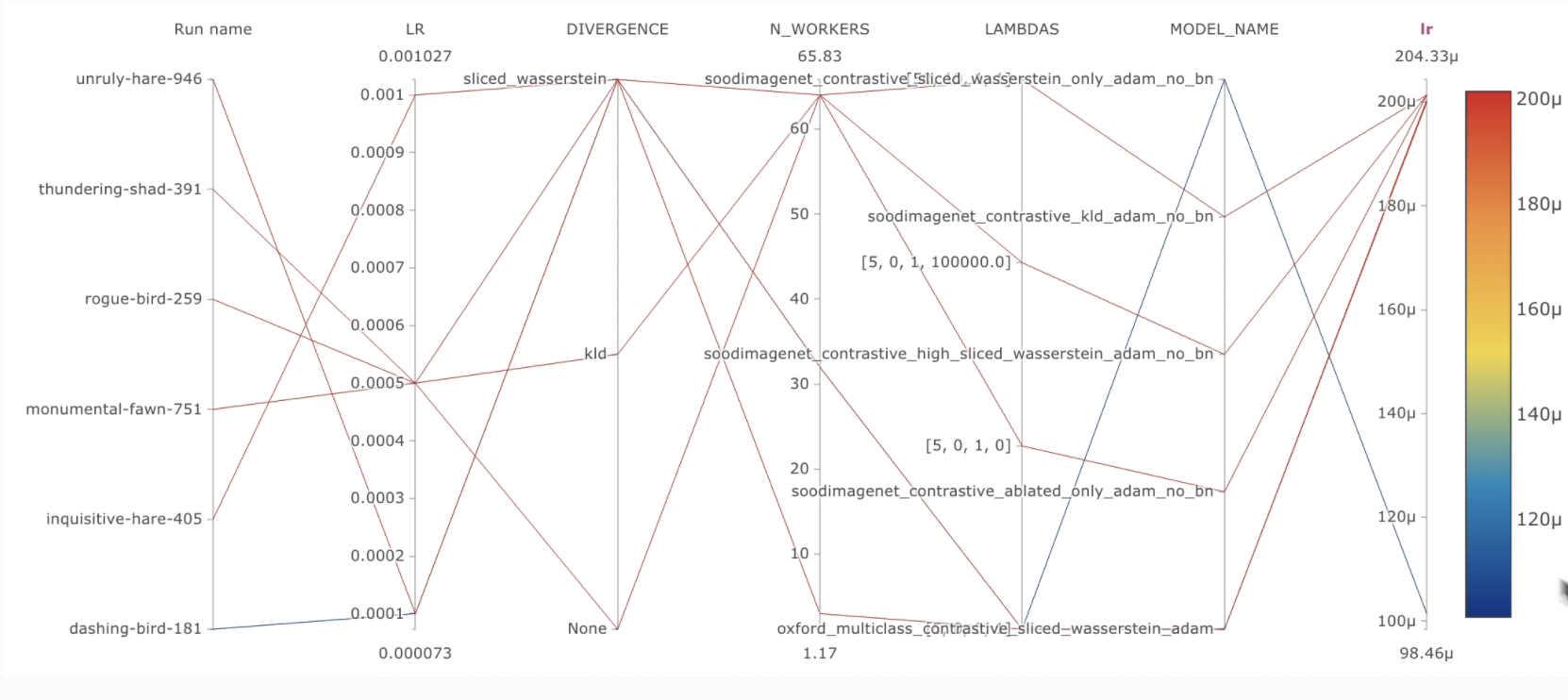
DAGsHub is better suited for real-time monitoring of ML experiments due to its features like real-time experiment progress tracking.
DAGsHub has a clear, tiered pricing with a free option, while Kubeflow does not publish specific pricing details, suggesting variation based on implementation.
DAGsHub has community discussions focused on workflows and cost optimization, while Kubeflow users often engage with community forums for help with deployment and configuration.
Yes, DAGsHub's integration capabilities, particularly with MLflow, can complement Kubeflow's orchestration, allowing for enhanced experiment tracking and model management.
DAGsHub is generally easier to get started with due to its intuitive interface and integration with popular tools, whereas Kubeflow may require more setup and familiarity with Kubernetes.


