DVC and MLflow are both leading open-source MLOps tools, but they differ in focus and user experience. DVC is highly rated for its simplicity in versioning datasets and integration capabilities, boasting a 4.7/5 average rating from 11 reviews and 15,568 GitHub stars. MLflow, with its comprehensive suite of lifecycle management features, has 25,524 GitHub stars and is recognized for broad integration support, despite setup complexity noted by some users.
Best for
DVC is the better choice when your team prioritizes seamless version control and collaboration on data science projects, particularly in environments heavily geared towards Git-based workflows.
Best for
MLflow is the better choice when your needs encompass comprehensive lifecycle management, from model experimentation to deployment, especially if your team is experienced with setup configurations and looking for deep integration with diverse ML tools.
Key Differences
Verdict
For teams focused on version control and collaboration on data-centric projects, DVC is an ideal choice, especially if working within Git-based environments. On the other hand, if your focus is comprehensive lifecycle management and you're equipped to handle potential setup complexities, MLflow offers unmatched depth and integration with major machine learning frameworks. Both tools shine in open-source flexibility, leveraging vast ecosystems to empower sophisticated machine learning projects.
DVC
Open-source version control system for Data Science and Machine Learning projects. Git-like experience to organize your data, models, and experiments.
Users have a highly positive view of DVC, with consistent high ratings that highlight its strengths in improving version control and collaboration for data science projects. Key strengths include ease of use and integration capabilities with existing workflows. There are very few complaints mentioned, indicating a generally satisfied user base. Pricing sentiment is not discussed in the reviews, but the overall reputation of DVC is very strong, with a notable presence and recognition on platforms like YouTube.
MLflow
100% open source under Apache 2.0 license. Forever free, no strings attached.
MLflow is praised for its comprehensive suite of features that facilitate the machine learning lifecycle, including experimentation, reproducibility, and deployment. Users appreciate its seamless integration with various tools and platforms, which enhances workflow efficiency. However, some users note that the setup can be complex for beginners or those without a strong technical background. Overall pricing sentiment is neutral, as users often benefit from its open-source nature despite potential costs when utilizing it within certain cloud-based platforms. The tool holds a strong reputation, particularly within the data science and machine learning communities, as an essential tool for managing ML projects.
DVC
Not enough dataMLflow
Stable week-over-weekDVC
MLflow
DVC
MLflow
DVC
MLflow
DVC (8)
MLflow (8)
Only in DVC (4)
Only in MLflow (10)
Shared (3)
Only in DVC (12)
Only in MLflow (12)
DVC

A New Chapter for DVC: Passing the Torch to lakeFS
Dec 4, 2025

Building Ethical AI: Leveraging DVC for Transparency and Trust in LLM Applications
Aug 15, 2024
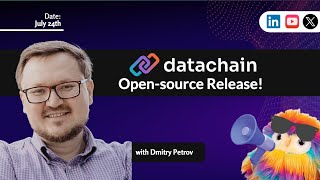
DataChain Open-Source Release - A new way to manage your Unstructured Data
Jul 25, 2024

Achieving Production-level Performance in RAG with DSPy, Parea, and DVC
May 23, 2024
MLflow
DVC
MLflow
No screenshots
DVC
MLflow
Shared (2)
Only in MLflow (1)
DVC is better suited for large-scale dataset management due to its ease of integration with cloud storage solutions and efficient dataset versioning capabilities.
DVC offers tiered pricing which might involve costs, whereas MLflow provides a free open-source model under the Apache 2.0 license, though cloud integrations may incur costs.
MLflow tends to have a larger community presence and discussion topics, with more GitHub stars indicating a potentially broader community, whereas DVC also has strong recognition, especially in Git-integrated workflows.
Yes, DVC and MLflow can complement each other effectively, with DVC managing dataset versioning and tracking, while MLflow handles the broader lifecycle management.
DVC is generally considered easier to get started with due to its straightforward Git-like experience, whereas MLflow might require more setup, particularly for users without a strong technical background.