Comet ML focuses on offering an end-to-end AI observability platform with strong experiment management and monitoring capabilities, backed by a team of about 88 employees and funding of $74.8M. MLflow, on the other hand, is a 100% open source tool recognized for its comprehensive machine learning lifecycle features, boasting a robust community with 25,524 GitHub stars.
Best for
Comet ML is the better choice when your team needs extensive tracking, collaboration features, and enterprise-grade reliability, especially if you value integration with cloud storage solutions.
Best for
MLflow is the better choice when your team values open-source solutions, wide tool integrations, and a strong community presence, ideal for organizations looking to manage the full ML lifecycle efficiently.
Key Differences
Verdict
Comet ML is ideal for enterprises seeking a comprehensive, reliable MLOps solution with robust cloud integrability and specific focus on LLM optimizations. MLflow is best for organizations that prioritize a cost-effective, open-source framework with community-driven enhancements and extensive integration capabilities. Both tools have their niche, catering to different needs in the machine learning lifecycle management space.
Comet ML
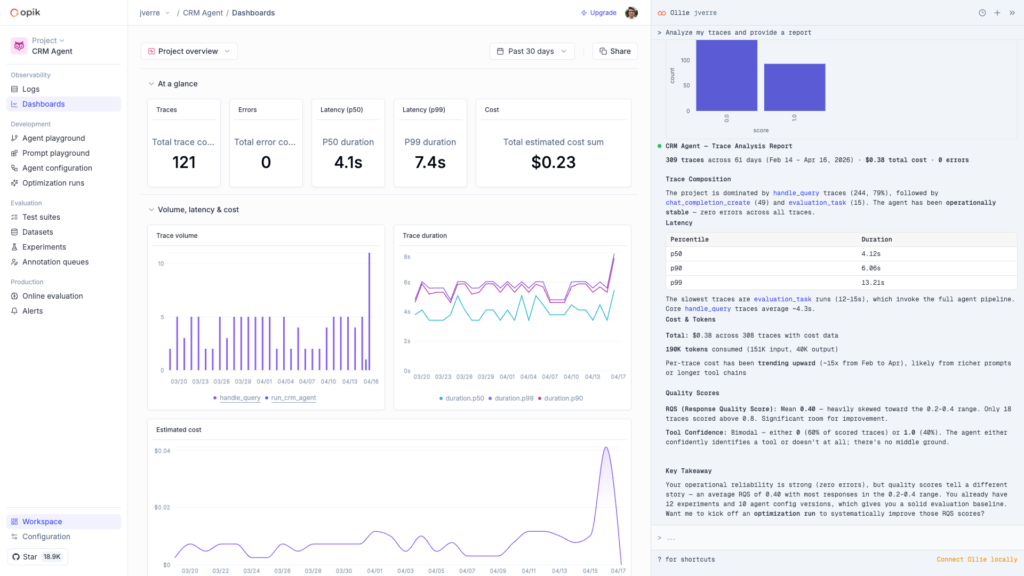
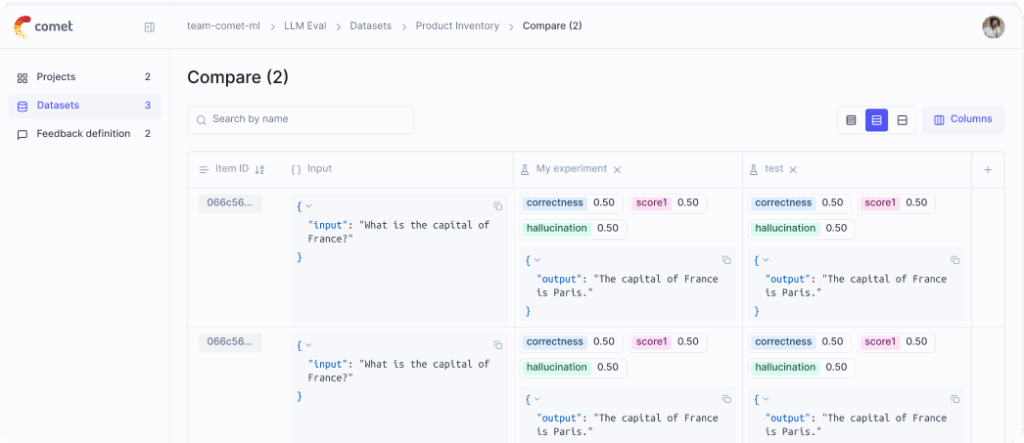
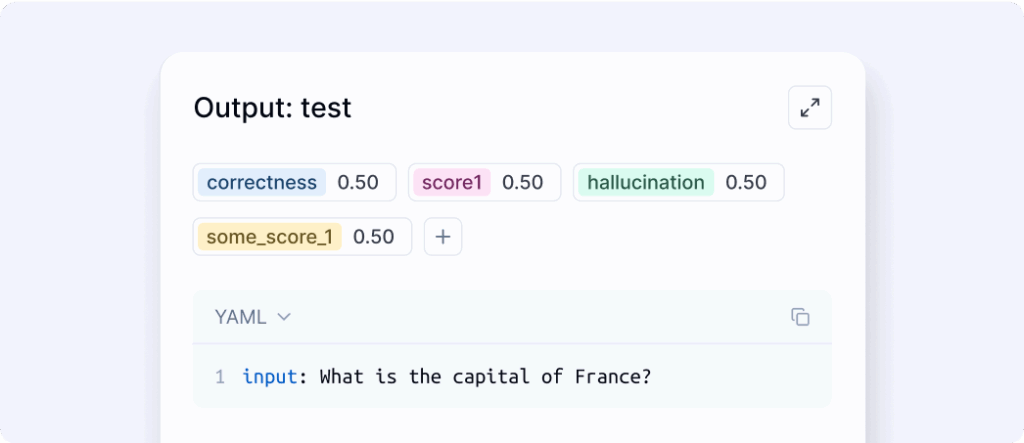
Comet is the creator of Opik, an end-to-end AI observability platform for developers with best-in-class agent testing, optimization, and monitoring.
Comet ML is praised for its robustness in managing machine learning experiments, offering extensive tracking and collaboration features. Despite its strengths, users sometimes complain about a steep learning curve for newcomers and occasional performance lags. Pricing sentiment is generally neutral, with some users feeling the features are worth the cost, while others hope for more affordable options. Overall, Comet ML maintains a positive reputation for its comprehensive capabilities, although there is room for improvements in usability and pricing transparency.
MLflow
100% open source under Apache 2.0 license. Forever free, no strings attached.
MLflow is praised for its comprehensive suite of features that facilitate the machine learning lifecycle, including experimentation, reproducibility, and deployment. Users appreciate its seamless integration with various tools and platforms, which enhances workflow efficiency. However, some users note that the setup can be complex for beginners or those without a strong technical background. Overall pricing sentiment is neutral, as users often benefit from its open-source nature despite potential costs when utilizing it within certain cloud-based platforms. The tool holds a strong reputation, particularly within the data science and machine learning communities, as an essential tool for managing ML projects.
Comet ML
Not enough dataMLflow
Stable week-over-weekComet ML
MLflow
Comet ML
MLflow
Comet ML
MLflow
Comet ML (4)
MLflow (8)
Only in Comet ML (7)
Only in MLflow (10)
Shared (4)
Only in Comet ML (12)
Only in MLflow (11)
Comet ML

Opik Live Paper Reading: Reasoning Models Generate Societies of Thought
Mar 26, 2026

A Benchmark for Evaluating Outcome-Driven Constraint Violations in Autonomous AI Agents
Mar 25, 2026

Using the Prompt Optimization Studio in Opik to Automatically Improve your AI Agents
Feb 19, 2026

End-to-End Multimodal Evaluation with Opik
Feb 4, 2026
MLflow
Comet ML

MLflow
No screenshots
Comet ML
MLflow
Shared (3)
Only in Comet ML (2)
Comet ML is better for large-scale enterprise projects due to its enterprise-grade reliability and security features, and strong cloud storage integration.
Comet ML uses a freemium model with tiered pricing that some users find costly, whereas MLflow is entirely free as an open-source tool, although costs can arise from cloud platform usage.
MLflow has better community support, evidenced by its significant GitHub presence with 25,524 stars, indicative of a strong, active user community.
Yes, it is possible to use Comet ML and MLflow together; organizations can leverage Comet ML's observability strengths alongside MLflow's feature-rich lifecycle management capabilities.
MLflow might be easier to get started with for smaller teams due to its open-source nature and widely available community resources, while Comet ML might present a learning curve for beginners.