DAGsHub and Comet ML both excel in MLOps functionalities, but DAGsHub is particularly noted for its seamless integration with GitHub and robust dataset annotation features. Comet ML, on the other hand, offers extensive monitoring and optimization for machine learning experiments, albeit with a higher pricing and occasionally slower performance noted by users.
Best for
Comet ML is the better choice when a team requires comprehensive ML experiment tracking and sophisticated observability features across various hosting options.
Best for
DAGsHub is the better choice when a team prioritizes collaborative data science projects with strong version control and integration with GitHub.
Key Differences
Verdict
DAGsHub is well-suited for startups and smaller teams that value GitHub integration and collaborative workflows in a cost-effective manner. Comet ML caters to enterprises that prioritize advanced experiment management and monitoring capabilities, although it comes at a premium and may require further budget considerations. Teams should assess their specific integration needs and budget constraints when choosing between them.
Comet ML
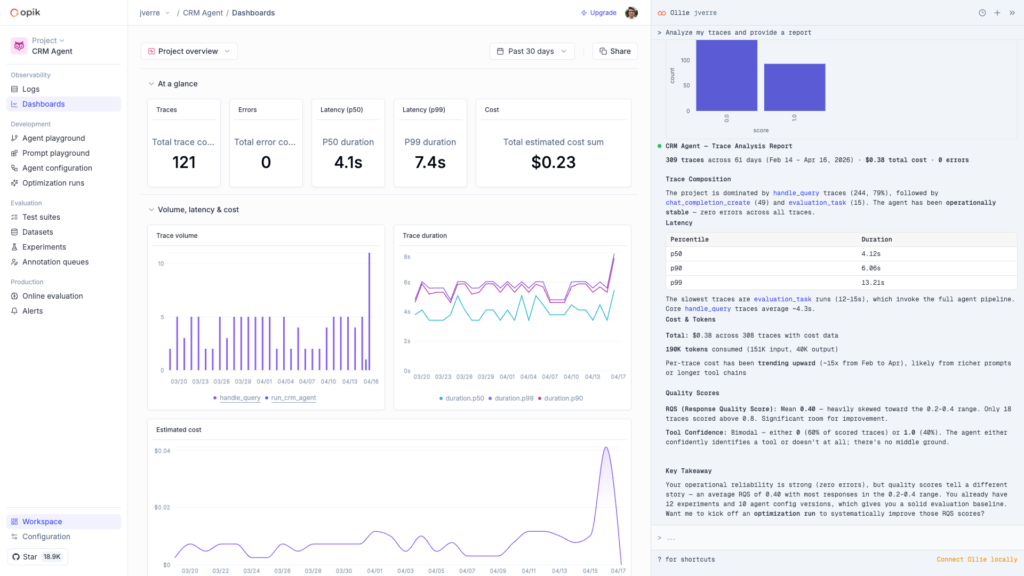
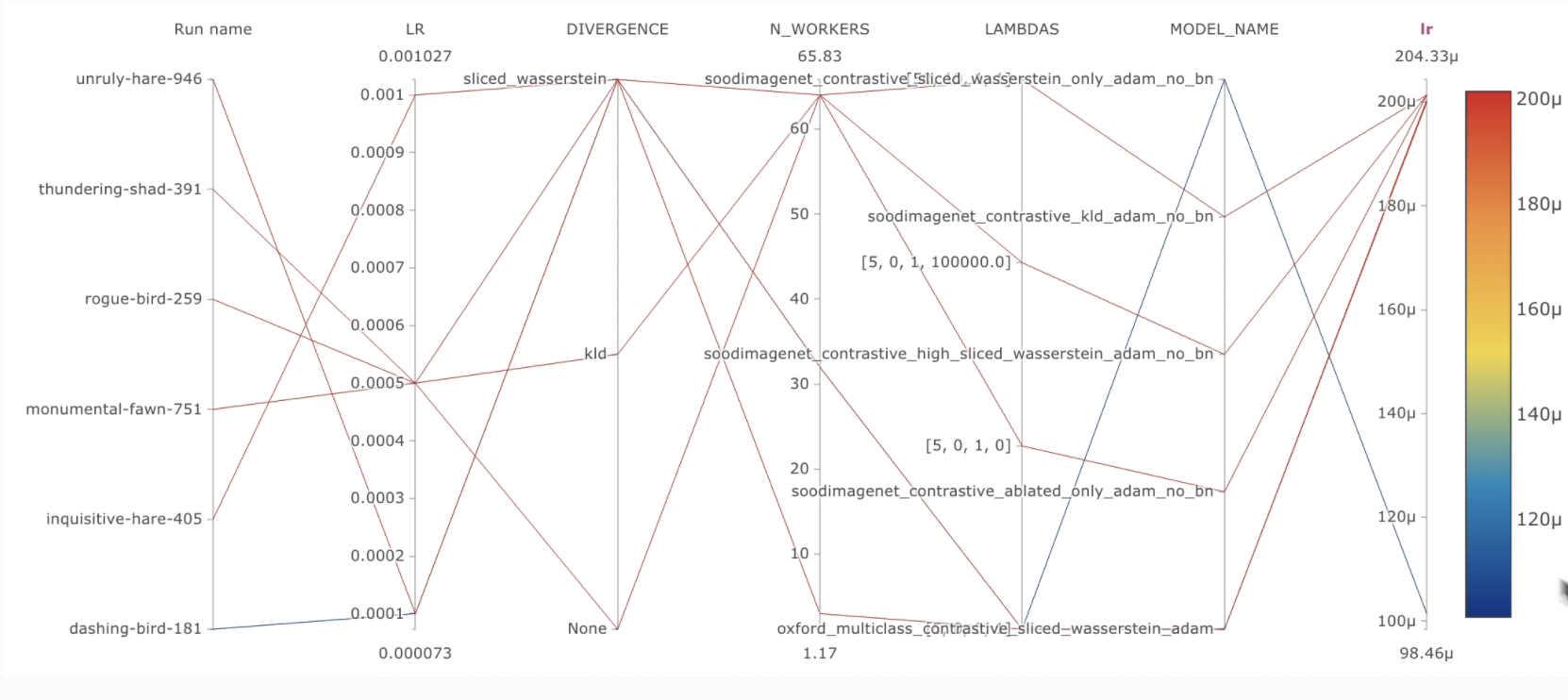
Comet is the creator of Opik, an end-to-end AI observability platform for developers with best-in-class agent testing, optimization, and monitoring.
Comet ML is praised for its robustness in managing machine learning experiments, offering extensive tracking and collaboration features. Despite its strengths, users sometimes complain about a steep learning curve for newcomers and occasional performance lags. Pricing sentiment is generally neutral, with some users feeling the features are worth the cost, while others hope for more affordable options. Overall, Comet ML maintains a positive reputation for its comprehensive capabilities, although there is room for improvements in usability and pricing transparency.
DAGsHub
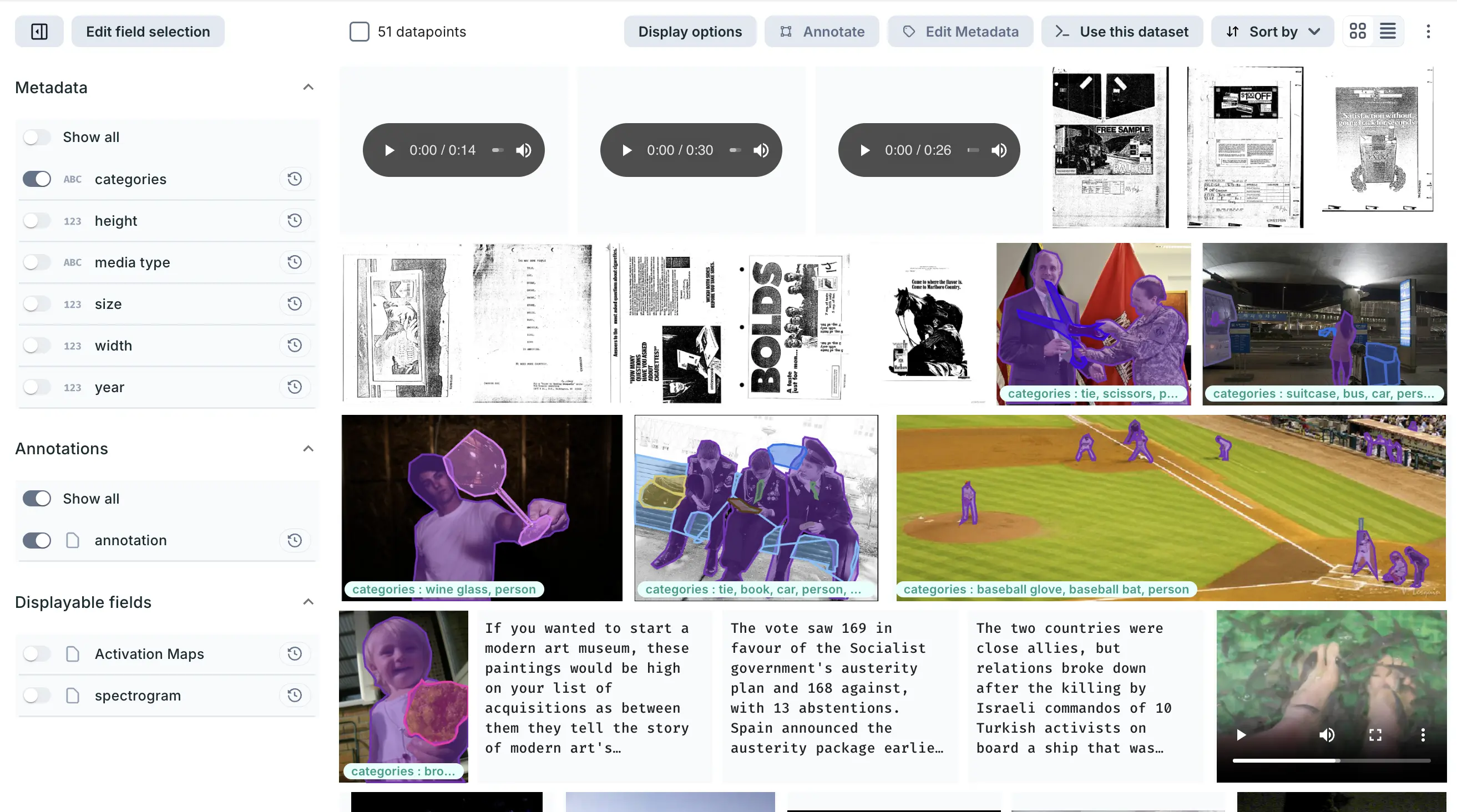
Curate and annotate vision, audio, and LLM datasets, track experiments, and manage models on a single platform
User feedback on DAGsHub highlights its strengths in seamless collaborative and version-controlled workflows for machine learning projects. Users appreciate its integration capabilities with popular data science tools and platforms. However, there are occasional mentions of a learning curve for new users, which can be a hurdle initially. Pricing sentiment is generally positive, with users feeling it's competitively priced for the features offered. Overall, DAGsHub enjoys a solid reputation as a robust and efficient platform for data science teams looking to streamline their ML operations.
Comet ML
Not enough dataDAGsHub
Stable week-over-weekComet ML
DAGsHub
Comet ML
DAGsHub
Comet ML
DAGsHub
Pricing found: $0, $0, $119, $99
Comet ML (4)
DAGsHub (10)
Only in Comet ML (7)
Only in DAGsHub (10)
Shared (12)
Only in Comet ML (4)
Only in DAGsHub (3)
Comet ML
No complaints found
DAGsHub
Comet ML
No data
DAGsHub
Comet ML

Opik Live Paper Reading: Reasoning Models Generate Societies of Thought
Mar 26, 2026

A Benchmark for Evaluating Outcome-Driven Constraint Violations in Autonomous AI Agents
Mar 25, 2026

Using the Prompt Optimization Studio in Opik to Automatically Improve your AI Agents
Feb 19, 2026

End-to-End Multimodal Evaluation with Opik
Feb 4, 2026
DAGsHub
Comet ML
DAGsHub

Comet ML
DAGsHub
Shared (4)
Only in Comet ML (1)
DAGsHub excels in dataset annotation due to its version-controlled workflows and integration with GitHub, making it preferable for this use case.
DAGsHub offers a competitive pricing model starting at $99 with a free tier, whereas Comet ML's pricing is less transparent but perceived as higher, with a freemium tier.
While both have active user communities, DAGsHub is praised for its supportive environment and lower employee count allowing for potentially more personalized support.
Yes, both tools can be used in conjunction as they provide complementary features, and both integrate with common platforms like AWS, Slack, and Jupyter Notebooks.
Users report that DAGsHub, despite its learning curve, offers a more straightforward onboarding process for teams familiar with GitHub, whereas Comet ML might require more initial setup and a steeper learning curve.


