Clipdrop is highly regarded for its advanced image editing capabilities, such as background removal and upscaling, while Canva AI stands out due to its robust design suggestions powered by integration with GPT models and Claude. Both have strong market presence, but Canva AI with its extensive funding of $992.9M and larger user base exhibits greater scalability and integration flexibility.
Best for
Clipdrop is the better choice when your team requires powerful image editing tools for social media and e-commerce with seamless integration into existing design ecosystems.
Best for
Canva AI is the better choice when your team focuses on comprehensive design projects needing AI-powered automation and extensive collaboration features on a large scale.
Key Differences
Verdict
Choose Clipdrop if your needs are centered around cutting-edge image editing with integration into professional design workflows. Canva AI is preferable if your organization requires extensive design capabilities with AI-integration across larger teams and diverse project types. Both tools cater to specific needs within the broad design spectrum, but their strengths lie in different functionalities and scales.
Clipdrop
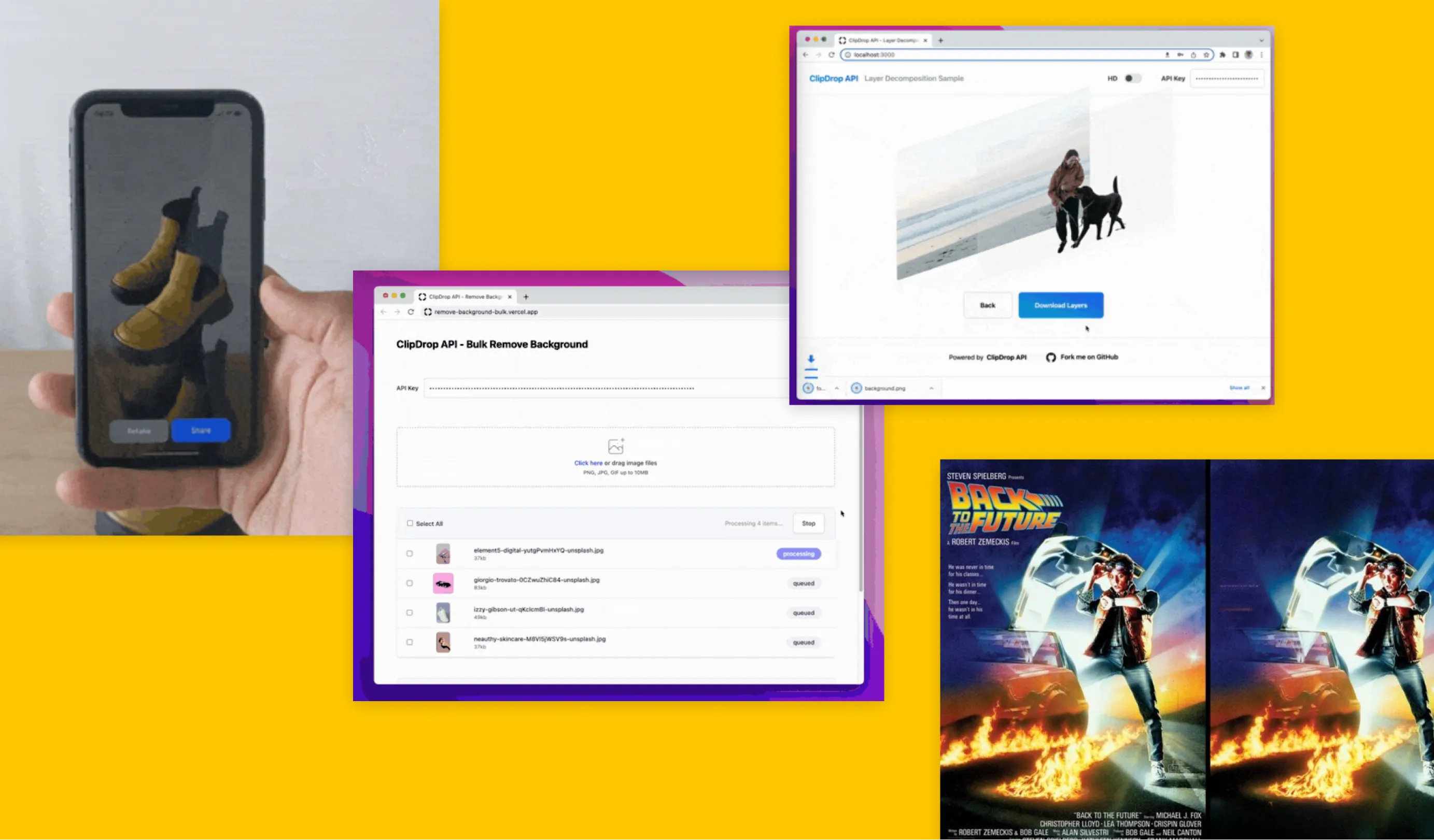
Remove background, cleanup pictures, upscaling, Stable diffusion and more…
Clipdrop is praised for its impressive AI capabilities, particularly in enhancing and extracting images seamlessly. Users frequently highlight its ease of use and efficiency as significant strengths. However, specific complaints or pricing sentiments are not explicit in the available data. Overall, Clipdrop maintains a positive reputation in the creative and tech community, as evidenced by its frequent mentions on platforms like YouTube.
Canva AI
Canva AI is praised for its seamless integration with other platforms like Claude Design, allowing for frictionless idea generation and editing, and its comprehensive updates that enhance design workflows. Users are excited about new features like gpt-image-2 and enhancements in animation and editing. However, specific user complaints are not prominently mentioned in the social sentiment. Pricing sentiment is not directly addressed, indicating it might not be a significant factor in discussions. Overall, Canva AI enjoys a strong reputation for innovation and versatility as a design tool.
Clipdrop
Not enough dataCanva AI
-90% vs last weekClipdrop
Canva AI
Clipdrop
Canva AI
Clipdrop
Canva AI
Clipdrop (8)
Canva AI (6)
Only in Clipdrop (9)
Only in Canva AI (8)
Shared (11)
Only in Clipdrop (4)
Only in Canva AI (4)
Clipdrop
No complaints found
Canva AI
Clipdrop
No data
Canva AI
Clipdrop
Canva AI
No screenshots
Clipdrop
Canva AI
Clipdrop
Canva AI
Introducing our new collaboration with Anthropic: Canva is now in Claude Design! Generate ideas in Claude. Edit in Canva. No friction. No starting from scratch. https://t.co/f220BR4AZk https://t.co/t
Introducing our new collaboration with Anthropic: Canva is now in Claude Design! Generate ideas in Claude. Edit in Canva. No friction. No starting from scratch. https://t.co/f220BR4AZk https://t.co/tLHHLd1rO3
Only in Clipdrop (1)
For intricate image editing tasks, Clipdrop is better, while Canva AI excels in complete design project executions.
Clipdrop uses a usage-based plus subscription model, while Canva AI pricing is tied to premium features that leverage advanced AI, potentially hinting at higher costs.
Canva AI, with its larger user base and employee count, likely offers more extensive community support and resources.
Yes, both tools can be integrated into workflows that require both advanced image editing (Clipdrop) and comprehensive design capabilities (Canva AI).
Canva AI is often more user-friendly due to its comprehensive onboarding and intuitive interface, catering to non-design professionals as well.


