Betterment
Betterment can help grow your money by making saving and investing easy. Invest in a tailored portfolio, set buckets for your goals, and earn reward
Users generally appreciate Betterment for its intuitive platform, goal-setting features, and automated investment options, which cater well to those new to investing or seeking a hands-off approach. Key complaints often revolve around the limited customization for more experienced investors and occasional issues with customer service responsiveness. Pricing is perceived as fair and competitive, reflecting its value-for-money proposition compared to traditional financial advisory services. Overall, Betterment maintains a strong reputation as a leading robo-advisor with a focus on simplicity and ease of use.
Digits
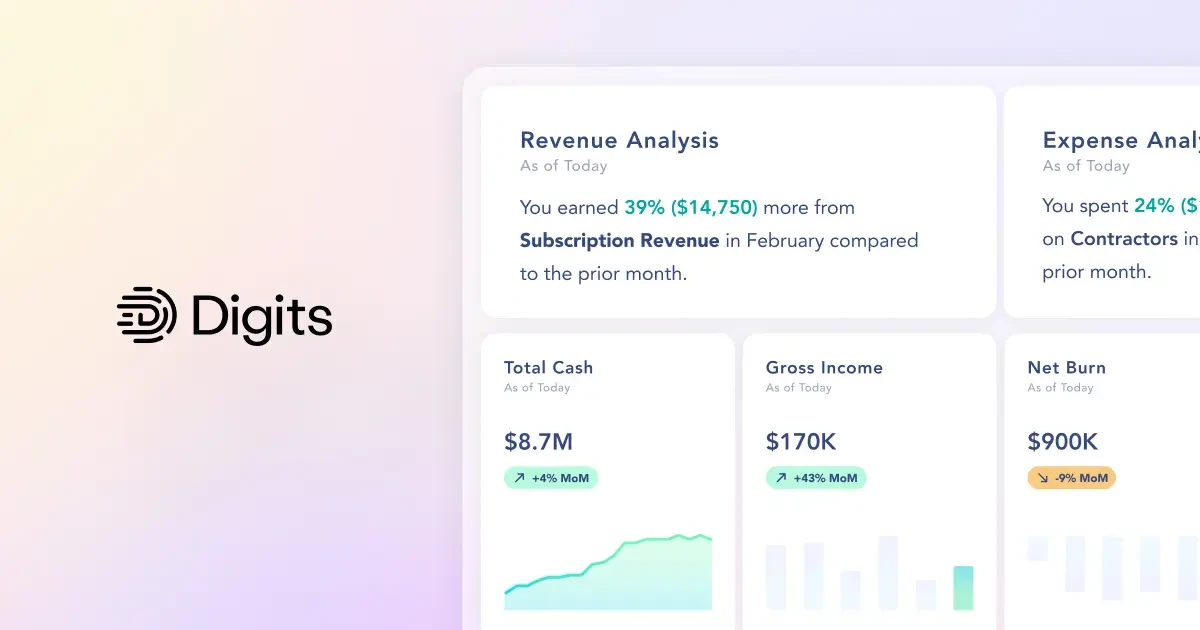
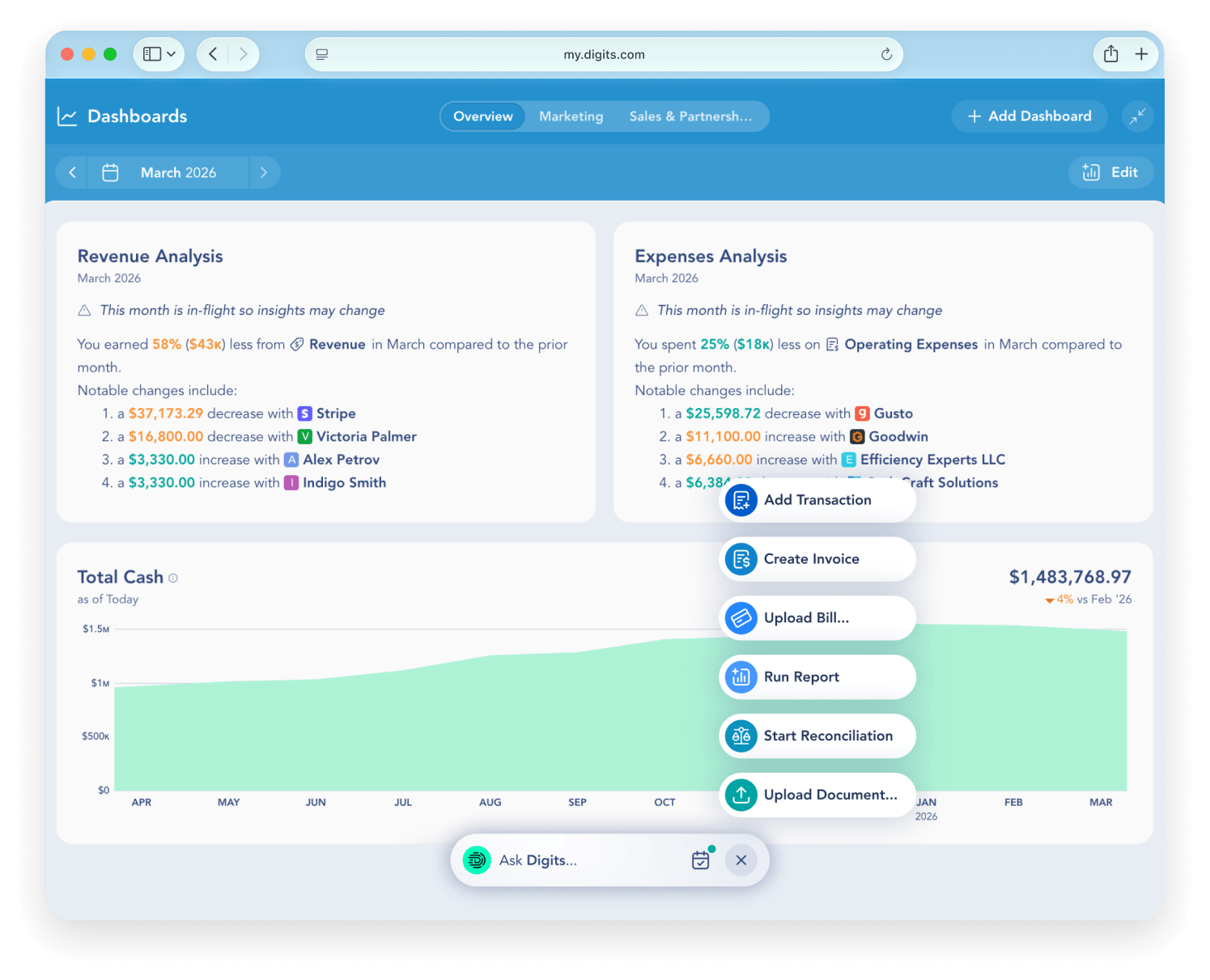
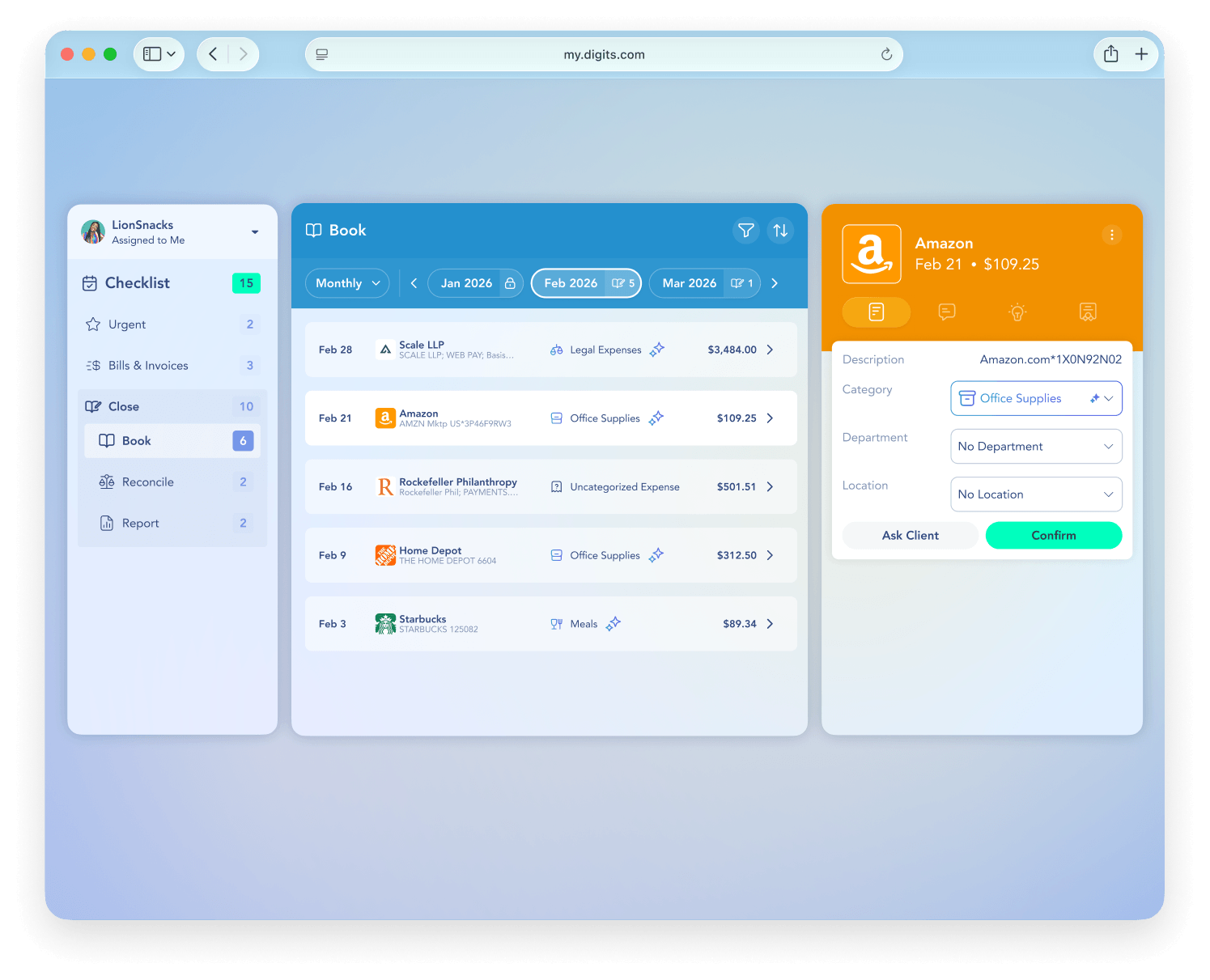
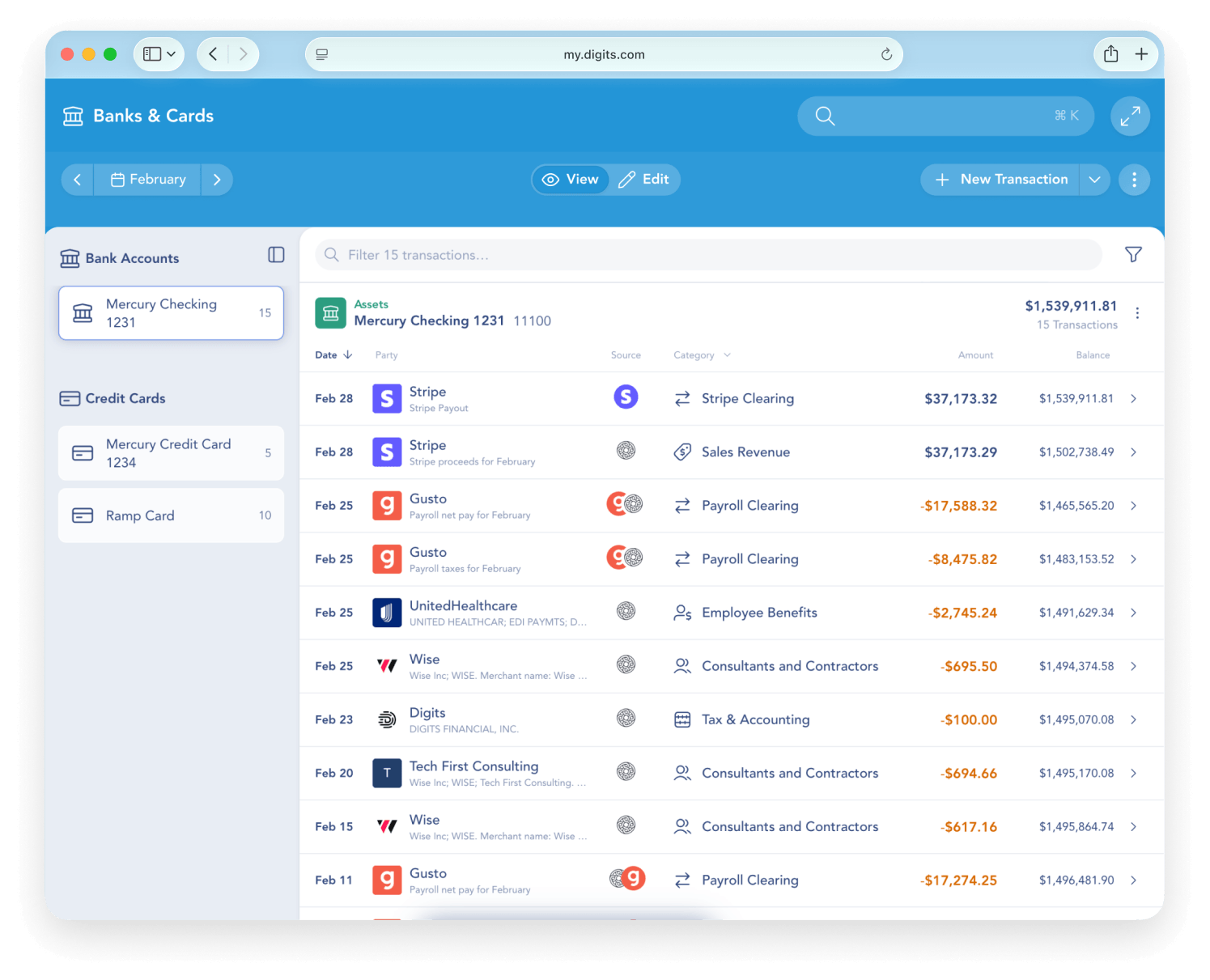
Digits is AI-native accounting software with 24/7 automated bookkeeping, real-time financials, AI Bill Pay, and invoicing. Free trial.
While mentions of "Digits" don't appear directly in these social discussions and reviews, if we were to extend the analysis to cover general software of similar nature, users often appreciate tools that effectively streamline accounting processes, such as accounts payable audits, which aligns with Digits’ goal of simplifying financial tasks. Key complaints in this context might center around the learning curve or the difficulty of integrating with existing systems. Generally, pricing sentiment tends to be neutral to slightly positive, contingent on whether features justify the cost for small to medium-sized enterprises. Overall, such software usually maintains a sound reputation based on its ability to enhance efficiency and accuracy in financial management.
Betterment
+700% vs last weekDigits
-29% vs last weekBetterment
Digits
Betterment
Digits
Betterment
Pricing found: $4, $2,000, $2,000, $2,000, $2,000
Digits
Betterment (8)
Digits (8)
Only in Betterment (10)
Only in Digits (10)
Only in Betterment (14)
Only in Digits (15)
Betterment
Digits
Betterment
Digits
Betterment

Digits
Betterment
Jony Ive designed a new Ferrari. Or at least tried to. Give me one reason why Ferrari is paying Ive that much when AI comes up with better designs.
Jony Ive designed a new Ferrari. Or at least tried to. Give me one reason why Ferrari is paying Ive that much when AI comes up with better designs.
Digits
Shared (3)
Only in Digits (1)