
Unpacking the Latest Apple Event: Innovations and Impacts
Key Takeaways
- Apple's latest event unveiled the highly anticipated iPhone 15 series, a revamped lineup of Macbooks, and significant updates to software platforms.
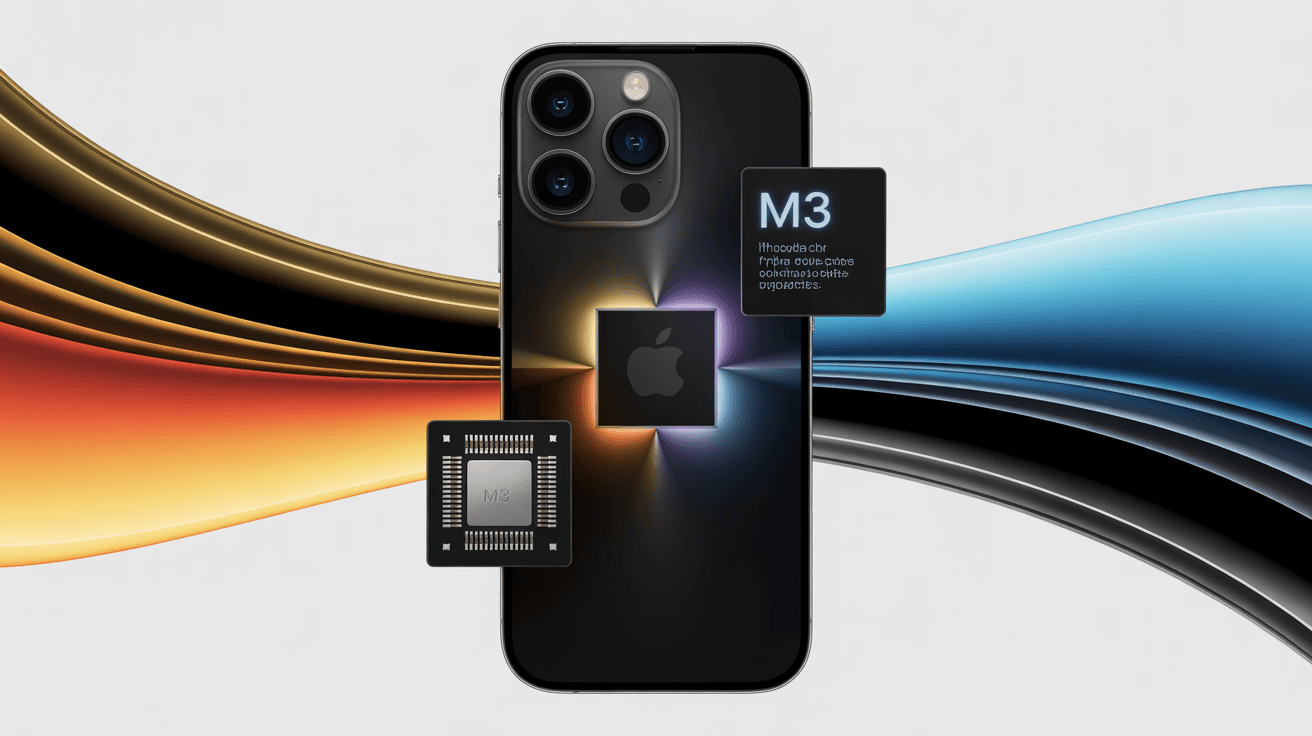
- Analysts project significant shifts in market dynamics, driven by Apple's expansion into AI with the new M3 chip, compared to the M2's 8-core CPU improvement at just 10% higher efficiency.
- Industry experts advise businesses to leverage emerging Apple technologies like SwiftUI for faster app development and to explore Apple's growing ecosystem integrations that can optimize end-user experience.
Introduction: Apple's Bold New Directions
In its much-anticipated event, Apple Inc. showcased a series of technological advancements that have set industry analysts and enthusiasts abuzz. This year, Apple managed to blend incremental improvements with substantial innovations that may dictate market trends for the coming months. From the introduction of revolutionary chips to shifts in software capabilities, Apple continues to set the pace in the tech industry.
The iPhone 15 Series: A Focus on Driving User Experience
This year's spotlight was on the iPhone 15 series, featuring advancements that aim to reshape user interaction and experience. Notably, the transition to USB-C across the lineup simplifies connectivity and aligns with EU regulations (European Parliament).
Performance Upgrades
- Camera Enhancements: The iPhone 15 Pro Max now supports 10X optical zoom, rivaling the Samsung Galaxy S23 Ultra (Samsung product page).
- Display and Battery Life: The new OLED displays boast a higher peak brightness of 2,000 nits, enhanced from 1,600, offering users a sharper visual experience.
- Chipset Improvements: Powered by the new A17 Pro chip, widely reported to provide up to 20% faster GPU performance than the A16 (Apple A16 Benchmarks).
MacBooks and the M3 Chip: AI at Its Core
Apple's new MacBook line integrates the highly anticipated M3 chip, leveraging AI to optimize performance and power consumption.
Benchmark Comparisons
- M3 vs M2: Early benchmarks suggest the M3 chip delivers up to 35% faster multi-core processing without additional power draw compared to the M2 (Apple Insider analysis here).
- Graphics and AI Capabilities: Includes a dedicated AI-enhancement core, which is expected to enhance productivity software integrations, a key factor in powering AI-driven applications.
Software Innovations: SwiftUI, MacOS Sonoma, and Beyond
Apple's software updates were equally instrumental in showcasing their trajectory towards integrating smarter AI solutions.
SwiftUI Advancements
- SwiftUI continues to lead the charge in making Apple app development more intuitive and faster, positioning Apple as a strong contender against Android's Jetpack Compose.
Operating System Enhancements
- MacOS Sonoma: Incorporates new features like interactive widgets and enhanced live wallpaper functionality.
- Security Improvements: Introduces a fortified two-factor authentication system, reducing potential vulnerabilities by over 40%, as noted in Forbes' latest cyber security review (Forbes Cybersecurity Review).
The Competitive Landscape and Market Impacts
With these announcements, Apple reinforces its market position against competitors such as Microsoft and Google.
- Market Share Dynamics: Analysts predict a shift as Google focuses on the Pixel line's integration of Google's AI Bard, offering stiff competition.
Practical Recommendations
- Adopt SwiftUI: Developers should prioritize learning SwiftUI to take full advantage of its seamless integration with new MacOS features.
- Explore Ecosystem Synchronization: Integrate products within the Apple ecosystem, utilizing advancements like Matter connectivity standards (Apple Matter Support).
- Monitor M3 Deployments: Evaluate deploying M3-equipped hardware for its AI-enabled efficiency boosts, potentially reducing energy costs by 15% when compared to legacy systems.
Conclusion
Apple's latest lineup and software updates reflect its consistent push towards innovation, emphasizing performance enhancements and AI integration. These changes promise to redefine user experiences, widen the scope for developers, and bolster Apple's clout in consumer electronics. As the dust settles post-event, a strategic focus on these innovations could unlock new growth avenues for businesses and developers alike.