
The Evolution and Impact of Human-Like Robots
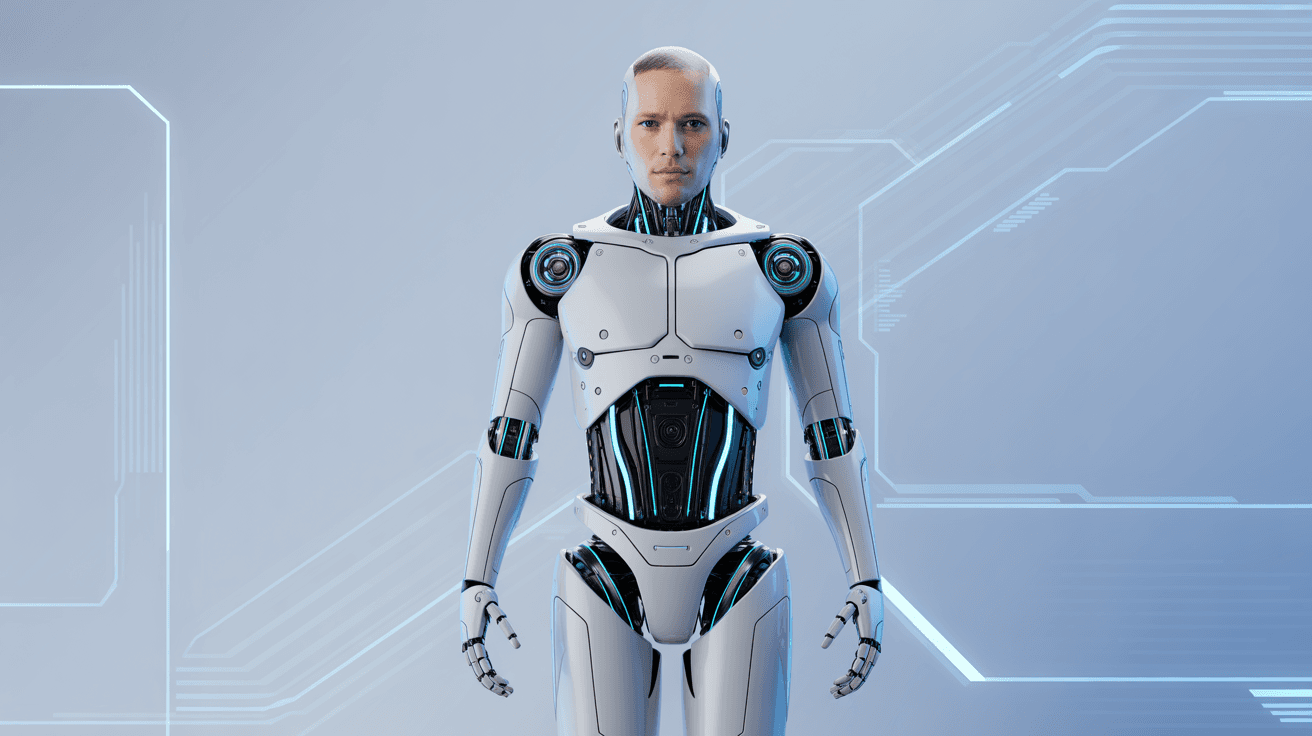
The Future is Now: Human-Like Robots are Here to Stay
In the rapidly evolving field of robotics, human-like robots represent not only a technological milestone but also a significant societal impact. As companies like Figure AI pivot towards developing these advanced machines, industry experts emphasize their potential to revolutionize various sectors. Brett Adcock, CEO of Figure AI, underscores this trend, noting, "We are at the frontier of building machines that can seamlessly integrate into everyday life by mimicking human behavior and emotional intelligence." With the integration of advanced artificial intelligence, these robots promise enhanced interactions and unprecedented support in industries ranging from healthcare to manufacturing.
Insights from AI Visionaries
The development and deployment of human-like robots have sparked discussions among AI leaders, each highlighting different facets of this groundbreaking technology:
Brett Adcock's Vision
- Brett Adcock (Figure AI) argues that human-like robots can provide substantial productivity improvements across industries. Adcock emphasizes a future where robots aren't merely tools, but companions and collaborators within professional environments, helping to alleviate labor shortages and improve quality of life.
Jack Clark on Self-Improvement in Robotics
- Jack Clark (Anthropic) echoes a similar sentiment by presenting NVIDIA's development of a self-improvement loop for real-world robotics. He highlights the transformative potential when AI agents' best concepts are integrated into physical robots, allowing for continuous optimization and learning.
Autonomous Insights by George Hotz
- George Hotz (Comma.ai), known for his influence in autonomous vehicle tech, provides an interesting perspective by drawing parallels between autonomous driving systems and human-like robots. While his focus remains on machine learning and automation, the underlying AI principles are applicable across both domains, promising smarter and more autonomous systems.
Analyzing the Tech Trends
Growing Adoption and Integration
- Healthcare: Human-like robots can assist in patient care, providing companionship and performing routine tasks, thereby freeing up healthcare professionals for more critical duties.
- Manufacturing: The integration of these robots can optimize production lines by performing complex tasks with precision, reducing human error and enhancing efficiency.
Technological Challenges
- Ethical Considerations: As robots become more human-like, ethical issues regarding autonomy, privacy, and employment require careful deliberation and policy making.
- Cost and Maintenance: The high initial cost and need for ongoing maintenance of sophisticated AI-driven robots represent significant hurdles for widespread adoption.
Implications for Industry and Society
The evolution of human-like robots signals an era of enhanced human-machine collaboration. As AI visionaries like Brett Adcock and Jack Clark forecast, the integration of these robots into society is inevitable and carries profound implications. However, with the promise of increased efficiency and capability, careful consideration of ethical and practical challenges is essential.
Key Takeaways
- Increased Productivity: Human-like robots are poised to fill gaps in sectors like healthcare and manufacturing.
- Continuous Innovation: AI-driven self-improvement loops in robotics, as noted by NVIDIA's work, are key to future advancements.
- Ethical and Economic Considerations: Addressing the ethical concerns and economic challenges is crucial for sustainable growth in this field.
As companies strive for efficiency, platforms like Payloop offer a strategic advantage by optimizing AI-related costs, enabling development teams to focus more on innovation than operational overheads.