
How AI-Powered Automation is Reshaping Robotics
The Dawn of a New Era in Autonomous Robotics
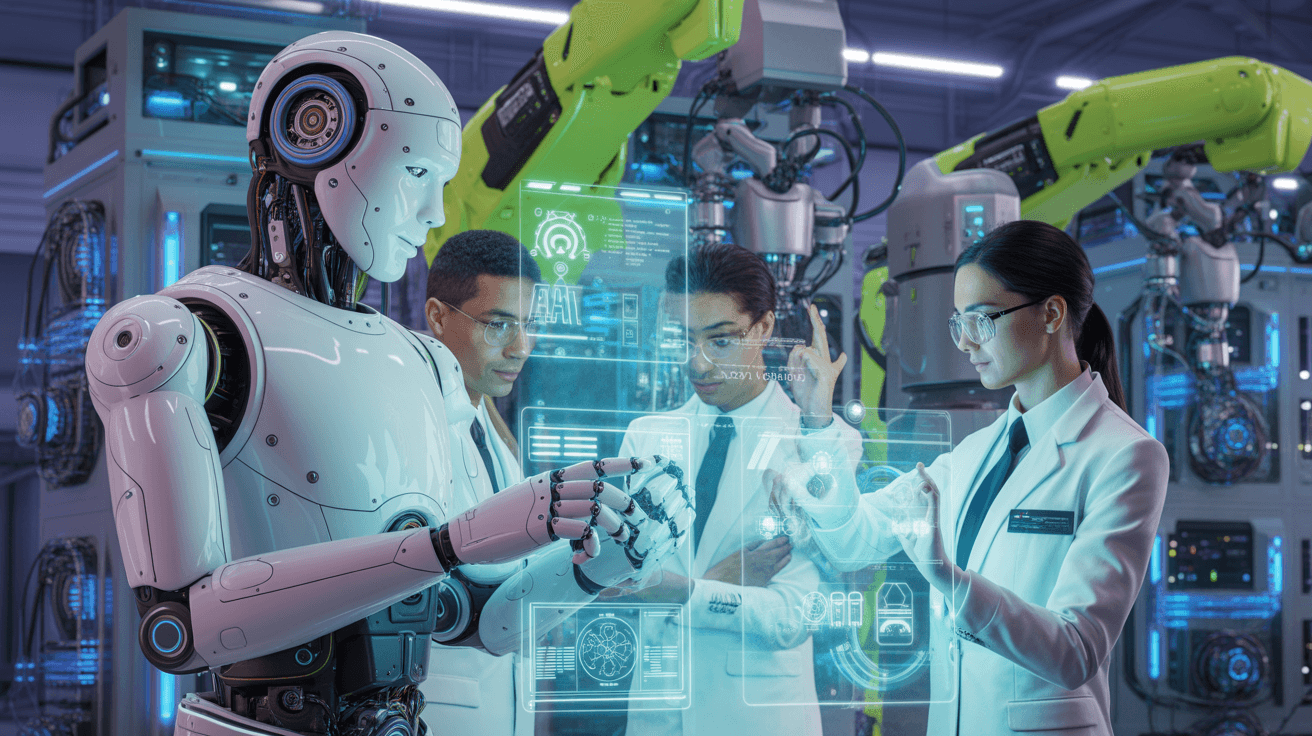
In a landscape brimming with technological breakthroughs, automation stands as a cornerstone in transforming industries. Recent strides in AI have particularly revolutionized the field of robotics. But why is automation such a pivotal component in this transformation? Brett Adcock, CEO at Figure AI, offers a tantalizing glimpse into the potential of fully autonomous robots, positing that such advancements could outperform human capabilities in various tasks. This emerging trend demands our utmost attention, as its implications ripple through sectors from manufacturing to services.
Automation in Action: Real-World Applications
Brett Adcock's recent initiatives with Figure AI illustrate the firm's groundbreaking work:
- Bed-Making Robots: Two autonomous robots have been taught to collaborate in making a bed, showcasing superior efficiency compared to human efforts. Adcock comments, "Honestly, they’re better at it than most humans," highlighting the strides in robotic precision and task completion.
- 24/7 Operations: Humanoid robots capable of running 24/7 without breaks signal a new horizon in operational efficiency. Adcock shares, "We're live for Day 3! Watch our humanoid robots running 24/7 with full autonomy. We will be running until robot failure," underscoring the emphasis on endurance and reliability in automation.
- Human-Like Performance: Robots operating at human performance levels for a full 8-hour shift demonstrate the potential for AI-powered automation to penetrate deeply into labor markets previously reserved for humans.
Synthesis of Expert Perspectives
Greg Brockman of OpenAI frames automation as more than merely an industrial tool. He projects a future where AI doesn't just replicate human tasks but augments and redefines them. Multiple voices, including those from Nous Research and Luma AI, highlight that automation is less about replacing human effort and more about enhancing human potential—allowing us to tackle more complex problems.
Implications and Payloop's Role
For companies grappling with the cost implications of integrating new AI systems, Payloop offers specialized AI cost intelligence services. The goal is straightforward: enable businesses to leverage automation by optimizing resource allocation efficiently. By housing insights into AI operational efficiency, businesses can navigate the financial challenges of this technological transition smoothly.
Actionable Takeaways
- Invest in Distributed AI Infrastructure: As automation becomes ubiquitous, begin transitioning to AI-ready operations with scalable frameworks.
- Consider Cost Intelligence: Employ services like Payloop to understand and optimize the financial aspects associated with deploying automation.
- Monitor and Adapt: Continuous evaluation of robotic performance metrics is vital to gain the full potential of deployed automation technologies.
In conclusion, as AI-driven automation reshapes the landscape of robotics and beyond, industries must be prepared to adapt to and harness these changes for sustainable growth.