
AI Art: Shaping Creativity with Generative Models
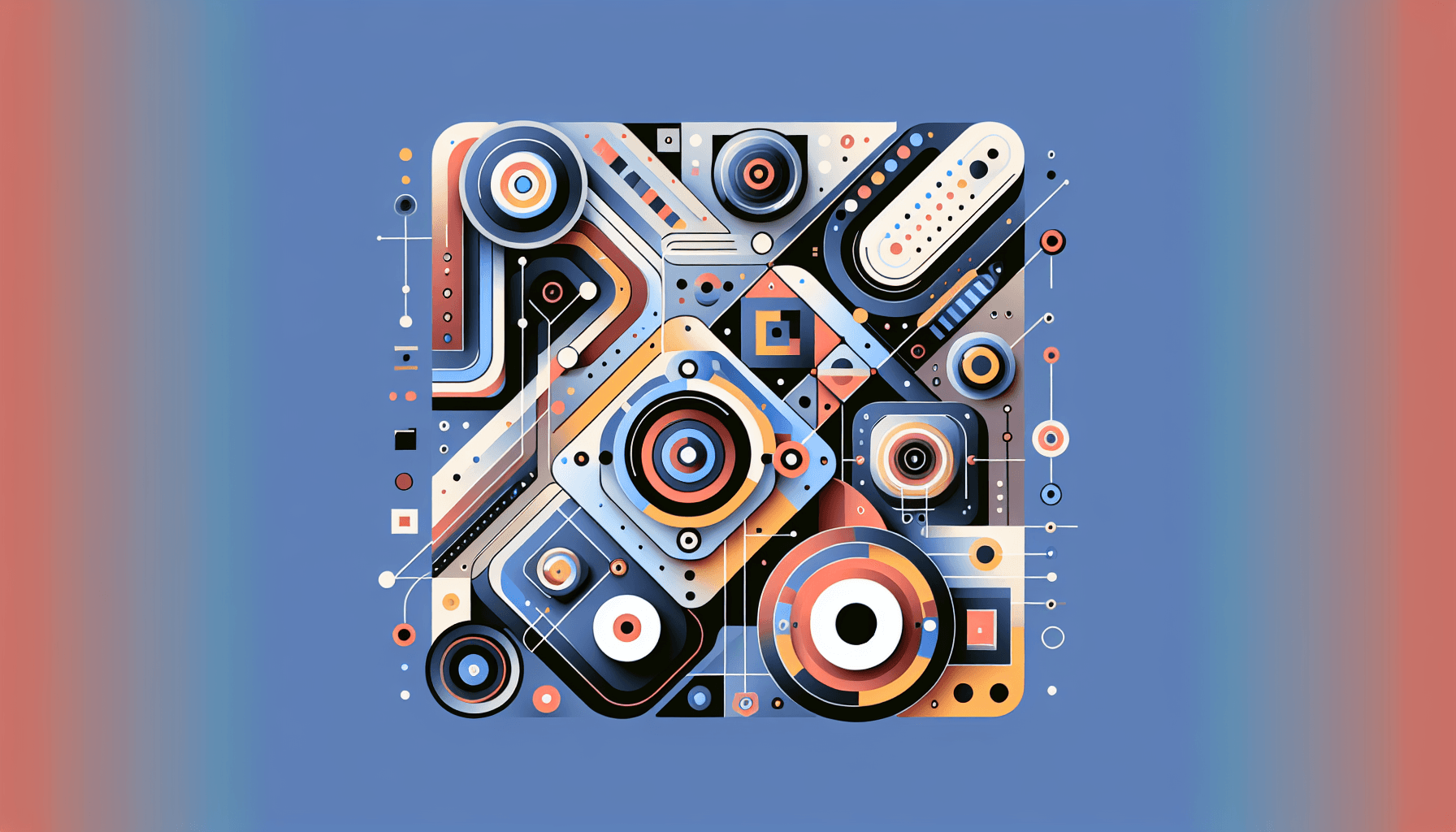
Artificial intelligence (AI) is revolutionizing multiple industries, and art is no exception. As artists and creators integrate AI into their workflows, the world of generative art stands at the forefront of this transformation. Here's a look at how leading voices in AI technology are responding to the rise of AI art and its implications.
The Rise of Generative Art
Generative AI models, powered by algorithms like DALL-E and Stable Diffusion, have enabled the creation of breathtaking and sometimes controversial art pieces. This innovation prompts questions about authorship, creativity, and the future role of artists themselves.
Perspectives from AI Experts
-
Andrej Karpathy, a prominent figure in AI research, touched upon the surprising nature of AI-generated content. His remark “Wow. I was sure this was AI,” reflects the sophistication that AI models have achieved in creating art pieces indistinguishable from human creations.
-
Matt Shumer of HyperWrite, although critical of certain AI capabilities like interface design, recognizes the bizarre yet fascinating potential of AI-generated content to reshape societal narratives. His observations highlight the importance of effective user interfaces to maximize the potential of AI tools in artistic applications.
-
Jack Clark of Anthropic, while focusing on AI's advancement, underscores the importance of spreading awareness about AI's potential and risks. His insights are essential as the stakes of AI's influence on creative domains like art continue to rise.
Navigating AI's Creative Frontier
The integration of AI into art raises unique challenges and opportunities:
-
Collaboration versus Competition: AI tools can augment human creativity by offering new perspectives and techniques, but they also challenge traditional notions of artistry. This duality calls for a collaborative integration rather than outright competition between human and machine.
-
Cultural Impact: The accessibility of AI tools democratizes the creative process, allowing those without formal art training to create impressive pieces. However, it also poses questions about originality and value in the art market.
-
Technical Mastery and Artistic Vision: As ThePrimeagen emphasizes in a different context, mastery over the tool (in this case, AI) remains crucial for enhancing productivity without becoming overly reliant, ensuring the human artist retains control over the creative vision.
Implications for the Art World
- Actionable Takeaways:
- Embrace AI tools as collaborators to push creative boundaries without fully yielding control to automation.
- Engage with AI responsibly, considering ethical implications and preserving the cultural integrity and diversity of art.
- For organizations like Payloop, specializing in AI cost optimization, there is potential to support artists in understanding and minimizing the costs associated with deploying AI in their creative endeavors.
The intersection of AI and art presents both exciting opportunities and significant challenges. As AI capabilities continue to evolve, the conversation around AI art's role and impact is likely to intensify, urging both creators and consumers to rethink what defines art in the modern world.